Home Blog Page 54

Industry Will Emerge Leaner, More Flexible & Agile From Current Volatility

0

The common refrain at the recently held 3rd edition of the CII Conference on Achieving Excellence in Manufacturing – Managing In Challenging Times, at the Northern Region headquarters in Chandigarh, was that the current times are challenging, and at the same time exciting for the manufacturing industry. Industry honchos expressed confidence that the industry will emerge leaner, more flexible and agile from this volatility, which is expected to continue for a while. These downturns are cyclic in nature and have been witnessed every 10-12 years in the past as well, but the industry has come out stronger each time, participants in the conference were reassured.

The Punjab Government on its part promised to back the industry to the hilt through its policy interventions, which are being made more relevant to the present times. The conference was informed that in the last two years, because of the various initiatives of the state government, Rs 5,000 crore of new investments have been grounded in the state, most of it in expansion of existing units. Leveraging the new Industrial Park and Make In Punjab policies, the state government is confident of crystallising more investments by boosting public-private partnerships.       

Photos By : Life In Chandigarh

Addressing the inaugural session, Punjab Additional Chief Secretary Industry, Commerce and Investment Promotion Vini Mahajan reminded the participants that Punjab has traditionally aspired to be No. 1 in whatever it does and its indomitable spirit does not allow it to settle for anything less. She expressed confidence that maintaining that tradition, Punjab will once again lead the nation in manufacturing and will restore the trust in the rest of the country that whatever comes out of Punjab is excellence personified.

“We are committed to hand hold and fully support companies keen on investing in Punjab. The state government is steadfast in its resolve to ensure 100% facilitation and zero interference to enable the industry to prosper. The inspections regime will no longer be person driven and all transactions will be done through a portal for ease of doing business. Efforts are being made to remove all the other pain points as well for investors in the state,” she added.

Emphasising that a pragmatic policy and guidelines have been laid out for setting up new industrial parks, she invited CII to support the state machinery in meetings its intended development goals by ensuring that the industry members make the best use of the structured policy framework provisioned by the government. She also assured the industry that the state government is aspiring to provide an enabling ecosystem for industrial growth and is aggressively working towards skill development, provisioning employment, supporting startups as well as building quality infrastructure.

1,000 Acre Industrial Park At Rajpura

Updating the gathering on the latest developments, Vini Mahajan said a few private industrial parks have already started coming up as a result of these policy initiatives and more are expected to follow suit. The state government is also aggressively pursuing its plans to set up its own 1,000 acre industrial park in Rajpura in collaboration with the central government under the Industrial Park Scheme of the Department for Promotion of Industry and Internal Trade (DPIIT), she added.

The ACS-Industry asserted that despite the financial crunch being faced by the state government, funds will not be allowed to become a constraint in upgradation of infrastructure, especially roads, in the existing focal points in the state with the help of the central government. Work is already in progress in four focal points and plans are in process of being finalised for eight more. Infrastructure and facilities will be upgraded in all focal points in the state by the end of 2020, she promised.

She shared that plants for tertiary treatment of wastewater are being set up to provide regular treated water to the industry and common facilities clusters are being planned as per demand of various MSMEs.

Confiding in the audience that so far Government of India funds for infrastructure upgradation of the export industry were not being availed of by the Punjab government, which is being done now, she said the existing STPI in Mohali is being upgraded by setting up of a Centre for Excellence in Artificial Intelligence (AI) there and another STPI has been planned to be opened in Amritsar.

Seeking the industry’s partnership in developing a startup culture in the state, by supporting the efforts of promising young startups, Vini Mahajan also sought its support in making the recently launched Make In Punjab policy a success story. The policy gives preference in government procurements to locally manufactured goods.

Punjab Government Backing

Earlier, saluting the enterprising spirit of Punjab, which boasts of among other things the biggest tractor manufacturing plant in the country, the biggest bicycle manufacturing plant in the world and the biggest food park in the country, Rajat Agarwal, CEO, Punjab Bureau of Investment Promotion, said all the state government initiatives are aimed at encouraging faster adoption of technology, upskilling the work force and providing easy finance options to the industry.  

He also informed the participants that the industry incentive structure in Punjab encourages upgradation, diversification, expansion and modernisation of existing industries, with special focus on the MSME sector. The government support is aimed at boosting industry competitiveness, ensuring quality compliance, revival of sick units, strengthening R&D centres and establishing centres of excellence. The announcement of a research centre in artificial intelligence (AI) and machine learning to be opened in IIT Ropar in collaboration with National Chung Cheng University of Taiwan is a welcome development, he added. 

Cos. Should Have DNA To Win

Vijay Kalra, CEO, Mahindra Vehicle Manufacturers Limited, and Chief of Manufacturing Operations, Mahindra &Mahindra Ltd, felt that in this increasingly dynamic world, when rules of the game are changing at a brisk pace and forecasting growth trends is becoming almost impossible, manufacturing companies need to become more flexible and agile in all aspects of their business model. “In an emerging scenario where you either win, or lose, there being no room for a draw, companies need to have the DNA to win,” he added.

Kalra stressed that “Our knowledge and skills become huge differentiators in using technology and innovation to our advantage. We cannot win by just aping the advanced economies in adopting technologies, systems and processes. We have to choose what is best suited to our business lines. A healthy mix of advanced technology and traditional wisdom is the key to our competitiveness,” was his advice to the gathering.

Time To Show Mettle In Manufacturing

Displaying a never-say-die attitude, Kamal Bali, President & Managing Director, Volvo Group India, described the present times, when the Indian economy is showing clear signs of a slowdown, as “challenging but exciting” despite the doomsayers having a field day. “I see hope and opportunity in the shift which is happening, when new boundaries are being drawn and existing boundaries being challenged. We have proven our mettle in IT, now it’s time to show that in manufacturing as well. For that we need to plan for the future to stay ahead of the curve,” he opined.

Dwelling on various trends that are driving the future of businesses, he said the speed of digitalisation, rapid urbanisation, a clear shift from asset-led to idea-led business models, change in customer demand from products to 360 degree solutions, challenges of sustainability and need for new and emerging skill sets, have marked a shift in fortunes of companies. While some iconic companies have been consigned to history, younger and more innovative brands are charting a new course, creating wealth for all stakeholders in the process, he shared.

Arrogance of large companies is fast making way for a more collaborative approach, he said, adding that only companies which remain economically competitive, socially inclusive and environmentally friendly will hope to survive in the future.

Achieving 25% Share Of GDP

The top honcho of Volvo Group India was emphatic in saying that “India needs to fire its manufacturing sector and strive to not only leap-frog but pole-vault into the future by achieving an at least 25% share of the country’s GDP. With a current share of 15% of GDP, India’s manufacturing sector is lagging far behind some of the world economies anchored by manufacturing like Germany, China, Japan and South Korea, with percentage share in their national GDPs ranging between 22-30%, he informed.

He felt that for this to happen, the government has to aggressively make policy interventions to not only fire local demand but also create a domestic ecosystem where land, capital and labour costs are aligned to sustain the competitiveness of manufacturing operations in the country.

Skilling of manpower in tune with modern day and future requirements is also of paramount importance for the manufacturing sector. Private sector has to play a very important role in this by collaborating with the government to revamp the education system from secondary school level, so that it is geared to produce a job-ready workforce, he averred.

Replace Flab With Muscle

MM Singh, Executive Advisor, Maruti Suzuki India Limited, while acknowledging the concern and anxiety in the market on account of the slowing demand, felt that it is not unexpected. “We have seen these ups and downs, with slowdowns happening cyclically every 10-12 years. Volatility is here to stay. We have to see how flexible we are in our approach to business, to be able to adjust to changing situations,” he said, adding that “certain level of complacency invariably sets in when the going is good, and the current challenges have thrown up an opportunity to dwell deep into our systems and processes and replace the flab with muscle.”

“This is no time to cry, but to rise to the challenge. Look here and there and everywhere. There will be some flab everywhere. Experience has shown that productivity can be improved by 20-30% by revisiting your own practices and operational procedures, resulting in matching cut in costs,” he shared from his experience.

Stressing on the need for maintaining quality of output at all costs, and creating a safe and conducive atmosphere for employees in factories, Singh shared his favourite example of a Maruti vendor being persistently resistant to changes being suggested in his work environment. When, finally the supplier was persuaded to add some more facilities for his workforce, to his utter surprise productivity shot up by as much as 80%. Regular maintenance of machinery is another very crucial factor in cutting down costs and wastages of materials and costs, he said, adding that general tendency to overlook this aspect of operations often leads to disruptions.

He opined that blindly following global trends and practices may not be the answer to modernising manufacturing operations in India, “we have to devise indigenous solutions best suited to the peculiar environment of individual businesses by delving deep into our own knowledge and skills.”

Govt-Industry Cooperation Must

Harish Chavan, Chairman, CII Punjab State and CEO, Mahindra & Mahindra (Swaraj division), while stressing the need for manufacturing entities to increase their internal competitiveness, said government and industry cooperation is necessary to spur growth of the manufacturing sector in Punjab. “CII would be happy to partner the government not only in exposing the companies to the emerging opportunities, but also in making them aware of the stringent performance expectations necessary to succeed,” he added.

Later moderating a session on Flexible Manufacturing to Create Long Term Sustainable Businesses, Kamal Bali, while setting the context, spelled out a 10-point formula for success of manufacturing in the present challenging times, and for the future. Among the points he raised were : contributing to the success of your customer, becoming globally competitive, focussing on quality, safety and machine maintenance, taking care of employees as partners, becoming flexible and agile, ensuring tracking of global trends, adopting holistic IT, shifting from mass production to mass customisation and adopting diversity in the workforce. 

Induct Woman Force In Manufacturing

He shared with the gathering the success story of Volvo Group India in its experiment to demolish the male bastion in manufacturing and inducting a large female workforce. The initiative has paid rich dividends to the company, he said, adding that 30-50% women workforce could do a world of good to the manufacturing units.

Gaurav Sarup, MD, Marshall Machines Limited, which provides complete machining solutions to manufacture a wide variety of components like axles, crankshafts, auto parts, fans, pumps, etc., expressed the need for transformation in the way we work on production lines with increased flexibility, affordable automation and Industry 4.0 technologies and practices. These are necessary to overcome the problem of profits being under severe pressure, existing and growing shortfall of skilled manpower and factories performing at
sub-optimal levels, he added.

Anil Sehgal, Director, MT Autocraft Limited, a leading automotive machined components and assemblies supplier for automotive and farm industry, while speaking on ‘Flexible Manufacturing System’ gave the example of Mahindra & Mahindra, starting with Scorpio, and  rolling out one car after another in the last two decades from the same platform. Tesla has likewise scaled up its production from 7,000 units per month to 30,000 units per month, he said, adding that, with tooling changing by the day, there is a need for flexible low cost automation machines, which can adapt to newer technologies. He emphasised that mass customisation, which is the need of the hour, is possible with these machines.

Giving a presentation on ‘Robots & Integration’, Karan Kantoor, Director, Encon Systems International, one of the leading providers of robotics, factory automation and industrial safety solutions, opined that the man and machines have to be aligned for optimum results and outcomes.

He said collaborative robots (or cobots) are in great demand with increasing automation of operations in manufacturing units. Their deployment in various processes leads to significant reduction in wastage of materials. Allaying fears of widespread downsizing of the workforce where robots or cobots are deployed in the manufacturing process, he claimed that in 90% cases it is seen that there is no retrenchment. The workforce just gets redeployed elsewhere in the manufacturing unit, he added.

Intervening during a discussion, MM Singh expressed the need for owners of manufacturing units to visit their plants and factories more often. It has been seen that 90% of the owners do not visit their operations at all, because of which there is a disconnection between the owner and the workforce. This is suicidal in these challenging times, which demand that everyone in an organisation takes its ownership and all collectively put their heads together in finding solutions to constantly remain ahead of the curve, he added.

Get Engineers Exited In Manufacturing

Reflecting on the disturbing trend of engineers not showing passion in their work, which shows in their lack of interest in visiting the production line and introducing innovations, Kamal Bali made an impassioned appeal for bringing back glory to the manufacturing sector. “We have to get the engineers excited about Industry 4.0, which is being billed as the 4th Industrial Revolution. With modern manufacturing becoming a hybrid of IT and traditional ways, it is now a very cool proposition for enterprising young engineers, he said. 

Advising manufacturers not to remain confined to just generating products, he said “They must serve a higher purpose of making their customers succeed by staying with them till the entire life cycle of the product. Even small and medium manufacturers should strive to create brands. They can learn from entrepreneurs in Germany and Sweden who have created brands of their own, and are really proud of them.

LifeInChandigarh.com  by APR Media House is an enjoyable digital reading startup, which keeps you abreast of the latest meaningful happenings of interest to large sections of folks in Chandigarh tricity, and expats from the region. It has been promoted by a public spirited senior journalist and media consultant with a view to encourage good quality and healthy journalism, a dire need of the times.

To keep in touch, drop an email or call :

 kochhar.apr@gmail.com

9815617676 

Punjab-based FMCG Major Looks To Increase Capacities, Target Retail Segment

0

The first and only mega food park in Himachal Pradesh, Cremica Food Park, a 55 acre facility in Una district of the hill state, is all set to provide much needed plug and play like infrastructure and facilities to small and medium food processing units. Punjab-based Rs 350 crore turnover FMCG major Cremica Food Industries Limited, which has invested Rs 120 crore in the project, has reserved 30% of the land for its own expansion plans, and is leasing out the rest to food processing MSMEs on attractive terms.

In a recent conversation with LifeInChandigarh.com, Vice President (Technical) of the company Aziz Khan said Cremica Food Industries Limited has already set up one of the largest and state of the art and tomato processing facilities, with an installed capacity of processing 650 metric tonnes of tomatoes per day in the park. Apart from that three MSMEs – Una MiRicle Foods (makers of jams and sauces), Nec Rotoflex Packaging Corporation (which packages fruit concentrate, apple juice concentrate, carrot juice and apple puree concentrate) and Trusted Food (makers of pickles) – have already moved in to set up their units, and more are in the process.

Photos By : Life In Chandigarh

The integrated agro-processing cluster, with modern common processing facilities and infrastructure solutions, is offering Indian and global food processing companies ready-to-move standard design factory (SDF) units and built-to-suit plots of various sizes on pre-leased basis. Apart from availing ready-to-use facilities, which saves them investment and time to set up their own, the companies manufacturing in the park become eligible for a slew of government concessions and incentives under the mega food park scheme of the Government of India.  

Strategically located close to vegetable and fruit growing belts in Himachal Pradesh and Punjab, the park offers abundant water supply and reliable power supply. The common facilities on offer are testing laboratory, cleaning, grading, sorting and packaging facilities, dry warehouses, specialised storage facilities, including controlled atmosphere chambers, pressure ventilators, variable humidity stores, pre-cooling chambers, ripening chambers and cold chain infrastructure. Reefer vans, packaging unit, irradiation facilities, steam sterilisation units, steam-generating units, food incubation-cum-development centres, etc., are some of the other infrastructure available to them.

Khan shared that the company is going ahead with its plans to set up separate plants of its own in the mega food park to make apple juice concentrate, ready to serve fruit juices, jams, pickles, etc to supplement the capacities of its existing manufacturing facilities at Phillaur in Punjab and Greater Noida in Uttar Pradesh, where one more unit is planned. It is also looking for tie-ups with the other units being established in the food park. “We have a potentially huge market to cater to, and our supplies are falling short,” he added.

Cremica Food Industries Limited, the country’s largest producer of mayonnaise and third largest producer of tomato ketchup, has so far been concentrating on the business to business (B2B) segment, which accounts for roughly 70% of its business, with chains of fast food joints, restaurants and hotels as their main clients. But now plans are afoot to increase its presence in the retail segment as well. Other food products in the offing are ready to cook and ready to eat foods, which are in great demand in the hospitality industry as well in the retail market.

 LifeInChandigarh.com  by APR Media House is an enjoyable digital reading startup, which keeps you abreast of the latest meaningful happenings of interest to large sections of folks in Chandigarh tricity, and expats from the region. It has been promoted by a public spirited senior journalist and media consultant with a view to encourage good quality and healthy journalism, a dire need of the times.

To keep in touch, drop an email or call :

 kochhar.apr@gmail.com

9815617676

Healthy Lifestyle Foods In Prospect For Diabetes, BP & Obesity Patients

0

Modern lifestyle food products are not about taste and quality alone. Established and popular brands are increasingly becoming conscious about the health of their customers. The Rs 350 crore worth home bred food products company, Cremica Food Industries Limited, is readying to bring to the market scientifically and medically validated sauces, dressings and jams with low Glycemic Index (GI) which may help reduce risk of developing Type 2 diabetes, heart disease, hypertension and obesity.

The company on Friday signed a memorandum of understanding with Mohali based National Agri-Food Biotechnology Institute (NABI), which in collaboration with the endocrinology department of the PGI Chandigarh, will undertake a six-months study of the food products having low GI and understand its effects on consumers and other subjects.

Announcing this at a news media conference at the NABI campus in Knowledge City (Sector 81) Mohali, Dr TR Sharma, Executive Director, NABI, institute scientist Dr Mahendra Bishnoi and Dr Sanjay Badada, Professor in the Department of Endocrinology, PGI Chandigarh, who have conceived, and will personally monitor the test programme, said a lot of companies make tall claims about the health aspects of their food products, but these need to be validated scientifically and medically by creditable independent agencies for the consumers to actually believe them.

Though the test programme is funded by Cremica, the joint effort of NABI and PGI will be strictly guided by scientific, medical and professional protocols in the interests of the consumers, Dr Sharma asserted.

Photo By : Life In Chandigarh

GI measures how carbohydrates-containing food raises blood glucose levels. Foods which are low on GI scale tend to release glucose slowly and with greater regularity. Hence, they may foster weight loss.

In an interaction with NABI scientists, Cremica Industries Vice President (Technical) Aziz Khan claimed that Cremica had developed low GI sauces, dressings and jam, specially made with low GI-based sugars. “We have been able to reduce the GI scale in some of our food products from 80-90 to 60-70, and further efforts are being made by the company to further bring them down to 20-30,” he informed.

Describing this as remarkable, if these scales are validated independently, Dr Badada said low GI foods will not only benefit diabetics, but also pre diabetics. Intake of these can also prevent diabetes among normal people, he added. In the light of these observations, he suggested that if the low GI food products get validated in the test programme, the company must introduce these in the market at affordable price points so that all sections of society can benefit, and not just the elite section.

A number of other senior scientists from NABI were also present. Apart from Aziz Khan, the Cremica team comprised GM Quality Arun Talwar, Vice President Human Resources Nikhil Bhuchchar, Regulatory Affairs Head Ajay Sharma and DGM Marketing Vivek Pathak.

LifeInChandigarh.com  by APR Media House is an enjoyable digital reading startup, which keeps you abreast of the latest meaningful happenings of interest to large sections of folks in Chandigarh tricity, and expats from the region. It has been promoted by a public spirited senior journalist and media consultant with a view to encourage good quality and healthy journalism, a dire need of the times.

To keep in touch, drop an email or call :

 kochhar.apr@gmail.com

9815617676 

With Formal Drama Training, City Students Can Now Get Access To World Institutes

0

Ireland’s capital city of Dublin, declared UNESCO City of Literature, has, through its 1,000 year history, been the hub of literature and drama. It has produced world-class artistic talent, from writers like Jonathan Swift, Oscar Wilde, James Joyce, George Bernard Shaw and W.B. Yeats, to extraordinary music artists like U2, Thin Tizzy and Sinead O’Connor. So when Ireland’s largest independent music and drama examining body, Dublin-based Leinster School of Music & Drama (LSMD), established under the aegis of the Griffith College, comes calling at the doorstep of Chandigarh’s elite schools with grading and academic programmes, it creates an instant buzz.

“We are here to offer internationally recognised curricula and graded certification in drama as a regular subject for students from standard 5 to 10 in English medium schools, to start with, since the curricula is going to be based on English literature and drama. Looking at how things pan out we may consider introducing Hindi poetry and drama in the curricula at a later stage, in which case we will also knock at the doors of Hindi medium schools,” Deepak Luthra, Director of Admissions (South Asia), Griffith College, shared with LifeInChandigarh.com during a select news media interaction.

Photos By : Life In Chandigarh

Joining the interaction, Kevin Geoghegan, Director, International Office, Griffith College, said “Bollywood has been instrumental in creating huge awareness about careers in acting and music. Our initiative in India, which is the first country we are targeting in our outreach, will be to formalise education in drama using our expertise. We are looking for tie ups with regional and national drama and theatre organisations and schools and colleges. Apart from graded exams we are offering a formal curriculum, too.”

Stressing on another aspect of formal drama training, Nisha Luthra, Head of Operations, LSMD and Founder of ‘The Narrators’, said “soft skills are an important aspect employers look for in a candidate for recruitment in the modern times. Formal training in drama polishes an individual’s personality and makes him or her future ready for any challenge in life.”

Deepak added, “On successful completion of LSMD grades, students will be aided in further admission to academic or practical programmes at the university level. They can also take direct admission to degree courses being offered by Griffith College.”

Karen Casey, Head of Faculty, LSMD, and Sheila Nolan, Drama Examiner, LSMD, earlier this week assessed the rehearsal recordings of students at Vivek High School who enacted the play ‘Thy Work Is Done’, directed by The Narrators. The 86-odd participating students were awarded LSMD certificate of Junior Performance Grade, a sort of zero level of gradation.   

Schools, educational institutes and theatre academies, etc interested in getting into an international gradation system and formal curriculum in drama can write in at india@griffith.ie.      


LifeInChandigarh.com  by APR Media House is an enjoyable digital reading startup, which keeps you abreast of the latest meaningful happenings of interest to large sections of folks in Chandigarh tricity, and expats from the region, It has been promoted by a public spirited senior journalist and media consultant with a view to encourage good quality and healthy journalism, a dire need of the times.

To keep in touch, drop an email or call :

 kochhar.apr@gmail.com

9815617676

 

Renowned Neurosurgeon Dr Alok Sharma To Give Free Consultation On Aug 31

0

All parents or attendants, of children and adults with “incurable” neurological disorders or head or spinal injuries, from the region can look forward to a free consultation relating to stem cell therapy, being hailed as a boon for people with such conditions, from world renowned neurosurgeon Dr Alok Sharma in Chandigarh on August 31. For appointments Ms. Pushkala, representing the Dr Sharma run Navi Mumbai based NeuroGen Brain & Spine Institute, can be contacted on 9821529653 or 9920200400.

Dr Sharma, whose institute has already treated 8500 patients from 65-odd countries across the world, including UK and USA, with stem cell therapy, spoke to LifeInChandigarh.com in Chandigarh on Saturday while taking a short break from consultations he provided to scores of patients with neurological disorders at a hospital in Panchkula.

He claimed that the success rate among the 8500 patients treated for various neurological conditions, including autism, cerebral palsy, intellectual disability, muscular dystrophy, spinal cord injury, head injury, brain stroke, paralysis, dementia, multiple sclerosis and neuropsychiatric disorders, etc., has been 90% with patients showing improvement to the extent of 80-90% and leading a near normal life.

Photos By: Life In Chandigarh

Asian countries – India, China and Japan – have taken a lead in the field of stem cell therapy for neurological disorders and patients from world over are coming here to get treatment. In fact, the first scientific paper on stem cell therapy for autism published in any international medical journal of repute was authored by Dr Alok Sharma.

The renowned neurosurgeon, who has to his credit 96 scientific papers, published in international medical journals of repute and has written 16 books besides winning several prestigious national and international awards for his accomplishments in the field of stem cell therapy, asserts that Neuro Regenerative Rehabilitation Therapy (stem cell therapy) is simple, 100% safe and effective. There are no medicines and no surgery. Just two thin needles are required – one for aspiration of bone marrow from hip bone of the patient, separation of stem cells from bone marrow and then injecting it in his spinal fluid.

The first cycle of stem cell therapy is a weeklong exercise, which starts with pre-therapy investigations, including clinical, psychological, physical, functional and blood tests. Following the therapy is a process of neurorehabilitation, which involves physiotherapy, occupational therapy, speech therapy, psychological counselling, special education and diet and nutrition. Follow ups are advised at three and six months’ intervals.

Dr Sharma stresses that outcomes are excellent, since there is life changing transformation in the lives of patients, from a vegetative and lonely existence, because of their neurological disorders, to normal productive members of society. But there is still a general lack of awareness even among doctors regarding diagnosis of neurological disorders and their treatment, which is depriving thousands of such patients the boon of this phenomenal treatment. The Stem Cell Society is seeking to bridge this information gap by organising professional workshops and conferences for doctors in different parts of the country, he adds.

A week’s treatment at the NeuroGen Brain & Spine Institute costs between Rs 2-4 lakh. But poor and needy patients, who cannot afford that much, are also not refused treatment by the institute. As a rule, the institute provides this treatment free of cost to members of the uniformed forces, including the fire services personnel, who get incapacitated in the line of duty.

A shining example of men in uniform not only getting back on their feet but also being able to perform active duties is that of Major Manish Singh, a paratrooper of the Indian Army, who as a Lieutenant won a Shaurya Chakra for gallantly fighting on in a counter terror operation in Jammu & Kashmir despite taking a bullet in his spine, which eventually led to his paralysis below the navel. Surgeries and various treatments notwithstanding, the officer remained incapacitated for a few years before Neuro Regenerative Rehabilitation Therapy at Dr Sharma’s institute allowed him to proudly wear his red beret again.

Dr Sharma also presented before news media, parents of a 4-year-old child from the region, Bhuprad Kumar Kanwar, who is well on the way to full recovery from cerebral palsy. The child was unable to sit and stand without support, had a poor gait, posture and balance, selective attention, eye contact and concentration, was unable to chew food or eat by himself, his mode of communication was non verbal or monosyllabic and he needed assistance for activities of daily living.

After two rounds of treatment, Bhuprad, to the delight of his parents has shown considerable improvement in his head and trunk control, he is able to sit erect, is more aware about himself and his surroundings, his socialisation has improved and he is able to chew food and vocalise a few words.

Emphasising that there is no age considerations for stem cell therapy in treatment of neurological disorders, Dr Sharma shares that his youngest patient so far has been an 8 month old and the oldest a 82 year old. Regarding the future of stem cell therapy, he says as the therapy develops further it is sure to get integrated into mainstream multi-modal treatment.

The neurosurgeon, also professor and head of Neurosurgery at Lokmanya Tilak Municipal Medical College and General Hospital, Sion, advised parents to consult a doctor if they notice abnormally delayed development of their child in terms of its ability to sit up, crawl, walk or talk.

https://www.neurogen.in/

LifeInChandigarh.com  by APR Media House is an enjoyable digital reading startup, which keeps you abreast of the latest meaningful happenings of interest to large sections of folks in Chandigarh tricity, and expats from the region, It has been promoted by a public spirited senior journalist and media consultant with a view to encourage good quality and healthy journalism, a dire need of the times.

To keep in touch, drop an email or call :

 kochhar.apr@gmail.com

9815617676 

All-Natural, Anti-Ageing Beverage Startup To Expand Portfolio, Reach

0

With a pure coconut water base, a concoction of different Ayurvedic herbs, documented since ages to have anti-ageing properties, is gradually finding its way into the daily diet of thousands of health conscious Indians in NCR and in Chandigarh.

It’s early days yet, since Auric, touted as the world first all-natural beverage for mind, body and skin based on anti-ageing wisdom of Ayurveda, was launched nine months ago as a startup, but the brand, buoyed by its acceptance in the market, has already laid out plans for expanding its product portfolio as well as its reach into the rest of the country in the next three to four years.

Photos By : Life In Chandigarh

Sharing details of the public response to the brand, and its expansion plans, with LifeInChandigarh.com on the sidelines of a media interaction, in Chandigarh recently, Deepak Agarwal, Founder and CEO, Auric, claimed that they had already sold more than 50,000 units of the 250 ml bottles, available in three different variants, in Chandigarh tricity and more than 80,000 in the NCR.

The brand is available in three dozen stores in the tricity, including in the most popular ones like Harry Hyper Store, Peshawari, Life Supermarket, Kewal Stores and Empire Stores, and more than 170 stores in New Delhi and Gurgaon. With aggressive marketing, free samplings and tie-ups with salons and gyms the brand is getting stronger by the day, he added.

“We have prepared plans to expand our product portfolio by adding more healthy beverages like Turmeric and Aswagandha lattes, milkless shakes, weight loss and dinner alternatives and probiotics within a two year timeline. We’ll also increase our reach to 50-odd cities across the country in the next 3-4 years,” he gushed.

Expressing confidence about being able to achieve their goals, Agarwal claimed that Auric had been widely accepted as a healthy replacement for sugary drinks, packaged juices, carbonated beverages and flavoured water. “You get an anti-ageing drink at the price of bottled coconut water (250 ml of the beverage costs Rs 50 as against 200 ml of coconut water with an MRP of Rs 40). It also makes sense to drink healthy when you compare it with a 300 ml can of Coke (Rs 35) or 250 ml Red Bull Energy drink (Rs 99),” he argued.

The existing three ready-to-drink beverages are claimed to be different concoctions of a wide variety of Ayurvedic herbs like Aloe Vera, Gotu Kola, Haldi, Amla, Aswagandha, Moringa, Shankhapushpi and Brahmi. Agarwal says, “The smart drinks by Auric are designed for the fast-paced 21st century lifestyle where right nutrition is often compromised. All beverages offered are rich in antioxidants, 100% natural and vegan, sugar-free, gluten-free, chemical-free, and do not use any preservatives or artificial flavours, and yet non-bitter in taste.”

The beverages are ideal for the calorie conscious as well. Each 250 ml bottle consumed adds just 35 calories to your daily diet. One of the variants is crafted to calm the mind, another to power up immunity and the third to add radiance and glow to the skin.

The beverages are also available nationwide through Auric’s website (https://www.theauric.com) and online channel partners like Amazon India, Bigbasket, Milkbasket and Qtrover.    


LifeInChandigarh.com  by APR Media House is an enjoyable digital reading startup, which keeps you abreast of the latest meaningful happenings of interest to large sections of folks in Chandigarh tricity, and expats from the region, It has been promoted by a public spirited senior journalist and media consultant with a view to encourage good quality and healthy journalism, a dire need of the times.

To keep in touch, drop an email or call :

 kochhar.apr@gmail.com

9815617676  
Here Comes An Authentic Eating House For Growing Family Of Vegans

0

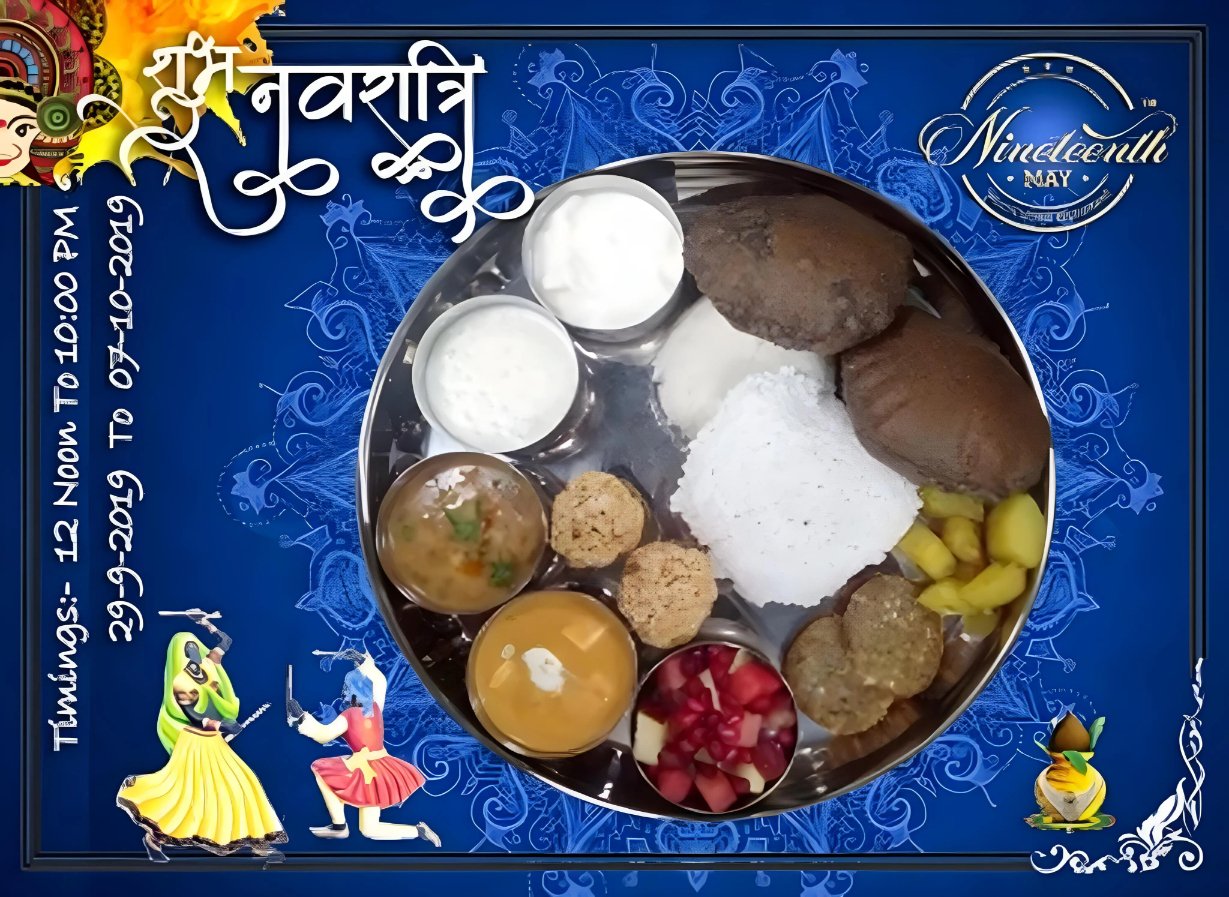
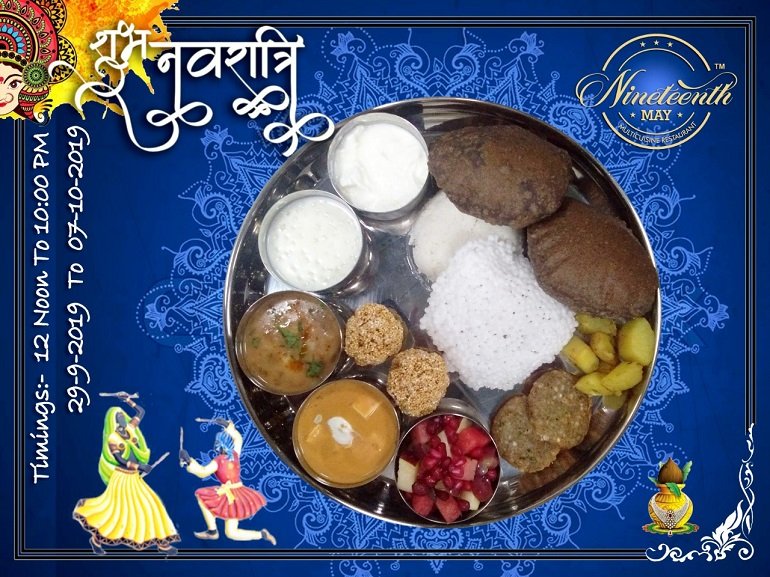
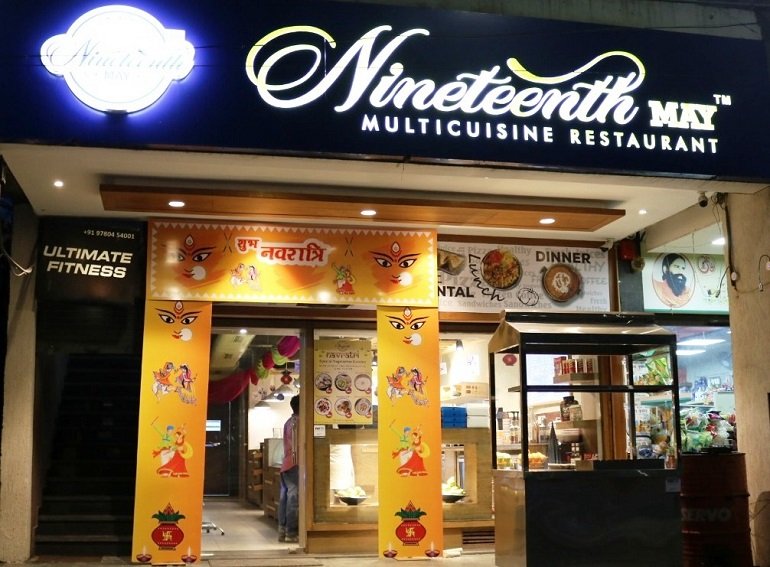
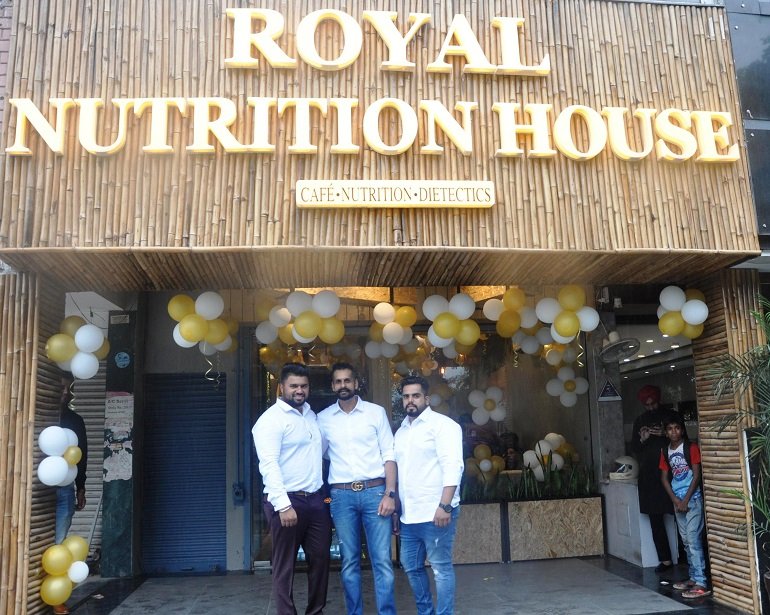
With 12 years of rich experience working as food and beverage professional in some of the best hotel chains in India and abroad, 37-year-old Manouj Kaushikk’s burning desire to do something on his own in a uniquely different way has resulted in opening of an authentic Vegan multi-cuisine restaurant Nineteenth May in Chandigarh tricity which rates high on health and hygiene benchmarks.

Marking the formal launch of the restaurant, in Sector 67 Mohali on Monday (the soft launch happened on May 19), the former F&B manager of a leading multi-national hotel chain in Chandigarh, shared with LifeInChandigarh.com, “Last few years I had been itching to set up my own restaurant, because working in the hotel chains did not allow me the privilege of spending more time with my family. I saw an opportunity in the tricity specifically, and the region in general, missing an authentic vegetarian restaurant serving an international quality multi-cuisine.”

Photos By : Life In Chandigarh

So here I am with my hospitality startup, named after the birth date of my daughter (Maansi, 6), promising the rapidly expanding Vegan population the best in vegetarian cuisines, from freshly squeezed hand & cold processed juices, to shakes, smoothies, salads, cut fruits,  and in house bakery, besides a vast variety of Indian, Continental and Chinese cuisines. There is a separate expert chef for each of the menus,” Kaushikk gushes, exuding confidence that with the initial response being more than encouraging, Nineteenth May is going to be a success story in a very short span of time.     

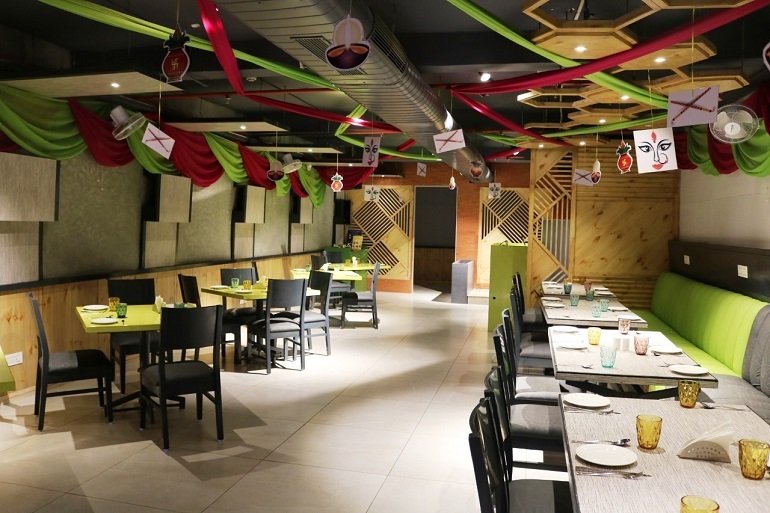
He claims that the outlet is unique in many ways. “It has been created keeping in mind cleanliness, a very high degree of sanitisation and best global hospitality practices. The restaurant has International machinery in refrigeration, automatic dishwashing, cooking equipments and kitchen appliances. Care is taken that all the vegetables, fruits, spices and other ingredients, which go into our various offerings, are of A-grade quality and sourced from reputed suppliers,” he emphasises.

Being himself an F&B professional,  Kaushikk says,” I am very hands on in the restaurant, planning menus, seeking feedback from patrons and keeping a close eye in the kitchen, in the refrigeration and other work stations. I don’t let go anything, unless I am myself satisfied first,” he asserts.

Boasting of undoubtedly the best kitchen in the city, he informs, “In Chandigarh, all the top notch restaurants don’t allow customers to sneak into the kitchen. But at Nineteenth May we are happy to take our patrons around the work in progress.”  

The signature foods include hand-tossed pizzas, whole wheat pasta and green salads made with exotic veggies. The pizza paradise attractions include Margherita, Romano Pizza, Primavera and Garden Greens. The restaurant has introduced a delicious and crispy pizza, Quattro Formaggi. Grilled Panini is also quite a treat. Among Indian delights, Punjabi Baingan Bhartha, Malai Kofta and Dal Makhni are a rage. Singapore Style Noodles and Wok Tossed Hakka Noodles are just too yum.

Currently, most of the ground floor of the restaurant, opened to patrons so far, is taken up by the preparation area. A more spacious basement fine dining area is being rolled out within weeks.

Open 9 a.m. to 10 p.m. all days of the week.

We had our joyful fill at Nineteenth May, how about you!     


LifeInChandigarh.com  by APR Media House is an enjoyable digital reading startup, which keeps you abreast of the latest meaningful happenings of interest to large sections of folks in Chandigarh tricity, and expats from the region, It has been promoted by a public spirited senior journalist and media consultant with a view to encourage good quality and healthy journalism, a dire need of the times.

To keep in touch, drop an email or call :

 kochhar.apr@gmail.com

9815617676 

Behind That Facade, Honoured Jurist Guests Pack An Entertaining Punch

0

It was a memorable evening for Rotarians belonging to Rotary Club Chandigarh Midtown in more ways than one, as well known lawyer Salil Dev Singh Bali was installed its President along with Board of Governors for the year 2019-20. One, they were celebrating the centennial year of Rotary International (RI), and two, both the Chief Guest for the occasion Justice Rajiv Sharma of the Punjab & Haryana High Court, and Guest of Honour Atul Nanda, Advocate General Punjab, unexpectedly turned out to be entertainers par excellence, triggering rounds of applause and peals of laughter.

While Bali received the ceremonial Rotary collar from outgoing President Ashok K. Puri to be installed the 43rd President of the club, the incoming Secretary Nitin Kapur was handed over the Rotary Charter by demitting Secretary Salil Chopra at the CII Northern Region Headquarters Convention Hall on Monday. The handover also marked a clear transition from a wiser generation to a more energetic one. 

Photos By : Life In Chandigarh

Puri read out his report card, listing out the 2018-19 team’s achievements, and Bali committed himself and his team to continuity with new initiatives.

Pledging, on behalf of his team, to work with all their might to fulfil the goals of RI President Mark Daniel Maloney’s theme for 2019-20, which is Rotary Connects The World, he spelled out the Three Acts of Kindness which the club will pursue with vigour during the year, apart from the other activities in the service of the society, which will continue with the same commitment.

In pursuance of The Gift of Pain Free Life, Rotary Club Chandigarh Midtown, on Monday formally exchanged a memorandum of understanding (MoU) with Fortis Hospital Mohali. Under the initiative, chosen senior citizens, with restricted activity due to orthopaedic illness, will be provided free treatment and care. The club will bear 30% of the cost and Fortis will defray the remaining 70% from its CSR funds.   

The second gift of kindness entails providing Interest Free Microloans to the needy for startup business. As part of the activity two beneficiaries, Vehida and Sandeep, were provided another Rs 30,000 each as loans after they had paid off their earlier loans taken for the same purpose.

Under the scheme Scholarship for Women Empowerment, Rotractor and taekwondo player Ashmita was presented a cheque for Rs 12,000 as first instalment for pursuing her Bachelor of Engineering course.

Among other initiatives which Bali promised to pursue with vigour were creating awareness among physically challenged about the benefits of registering for a Unique ID card specially meant for them, treatment of patients co infected with HIV and TB, helping create Happy Schools, launching Kalam Express mobile school to cater to needs of special children, skilling youth for economic empowerment, TEACH programme for literacy, tree plantation, disease prevention and screening camps, Swachh Bharat campaign, save the girl child and social rehabilitation for peace promotion.

While appealing to Rotarians to add muscle to the nationwide awareness drives to save water, Justice Rajiv Sharma, known for his proactive contribution to environmental protection, also unleashed his funny bone, hidden behind his expressionless face, by cracking a couple of ingenious jokes which had the Rotarians and guests in splits. 

AG Atul Nanda, while suggesting that Rotarians play an important role in helping sew back  the torn fabric of Indian society in tune with this year’s RI theme, proved no less an entertainer. His rendition of a few select stanzas from Bulleh Shah’s poetry to press home his point wowed the gathering, and drew repeated applause.   

As is the latest trend at such gatherings, all guests and members were presented with herbal saplings while leaving the venue.

RI Theme

RI President Mark Daniel Maloney’s theme for 2019-20, Rotary Connects The World, asks Rotarians to strengthen the many ways that Rotary connects the world, building the connections that allow talented, thoughtful and generous people to unite and take meaningful action through Rotary Service.

Public Health Industry To Gain From Shivanshi Vashists New Apparatus

0

A young woman Senior Scientific Officer and Innovator at the BioNEST, Panjab University (PU) Chandigarh, one of the 41-odd bio-incubators supported by BIRAC (Biotechnology Industry Research Assistance Council) across the country, has invented a modern apparatus which can speed up large scale production of biotechnological materials, used in various industries manufacturing public health products like cosmetics, pharma, food supplements, etc, and lead to substantial savings.

The apparatus called ‘Novice Seri’, invented by 25-year-old Shivanshi Vashist, was formally launched by Panjab University Vice Chancellor Prof Raj Kumar in presence of Dr Anil Wali, one of the members on the board of Bio-NEST-PU and Managing Director, Foundation for Innovation and Technology Transfer (FITT), an industrial interface organisation at IIT Delhi. Chairpersons of various departments, faculty, researchers and students were also present.

Photos By : Life In Chandigarh

Shivanshi ploughed a large portion of the Rs 50 lakh worth Biotechnology Ignition Grant (BIG), received by her from BIRAC about six months ago, in inventing ‘Novice Seri’.

Speaking on the occasion, Project Leader of Bio-NEST-PU and Chairperson Microbial Biotechnology Department Dr Rohit Sharma, informed that ‘Novice Seri, which has been fabricated for PU by Karam Singh of Mohali-based GAK Equipments & Technologies, is not a prototype but an industry-ready model for which PU holds the sole patent. Bio-NEST is already in touch with a few companies for technology transfer to commercially manufacture this apparatus, he added.   

Dr Rohit shared that Bio-NEST-PU is currently hosting 16 incubatees from three different verticals – bio-pharmaceuticals, bio processed technology and food & agriculture – and these are being adequately funded through different funding opportunities. Eight patents had so far been filed from Bio-NEST, he said.

Describing the salient features and advantages of the new invention over similar existing products available in the market, inventor Shivanshi told LifeInChandigarh.com that ‘Novice Seri’ comprises six independently-running bioreactors/fermenters/vessels operated from a main control panel, the unique and innovative electronic module of which allows control of multiple parameters in multiple bioreactors at any given time. She claimed that similar existing apparatuses available in the market comprised only two bioreactors, that too not running independently of each other.

This new apparatus also uses the same source of air, water, energy, etc in all six bioreactors, leading to one-sixth of normal consumption of all these inputs compared to the existing products, she asserted.

The apparatus can be used in research and development laboratories, and in various industries that require optimisations of multiple processes (all types of biological optimisation and/or production processes) for production of large quantities of biotechnological materials in a single run.

Extending his full support to specific and focussed societal problem-solving and
industry- linked research, Vice Chancellor Prof Raj Kumar said constant innovation is the key to the progress of any society or nation. He informed the gathering that for the benefit of the industry, the mode lab of the prestigious University Institute of Pharmaceutical Sciences (UIPS) will soon be thrown open to outsiders to avail of its facilities. He also shared plans to open a new and big incubator centre on the university campus.

Dr Anil Wali expressed confidence that since Punjab has traditionally been the land of innovation, Panjab University will realise its full potential and emerge as a leader in research and innovation in Northe India in the coming years, and the state a leader in start-ups. Urging all universities to become more and more entrepreneurial in their approach, and compete with the likes of Harvard, Oxford, Stanford and MIT, he said along with getting their research papers published in reputed journals, researchers and innovators should strive for getting patents.  

About BIRAC

Biotechnology Industry Research Assistance Council (BIRAC), an industry-academia interface, is a not-for-profit Section 8, Schedule B, Public Sector Enterprise set up by Department of Biotechnology (DBT), Government of India, as an Interface Agency to strengthen and empower the emerging Biotech enterprise to undertake strategic research and innovation, addressing nationally relevant product development needs.

About Bio-Nest

Bio-NEST was launched by BIRAC with a view to focus on fostering a biotech innovation ecosystem in the country. Unlike start-ups in the IT sector, enterprising ideas in the biotech sector need incubation support of a different kind, where they need a landing space to test their ideas, run their operations, have access to high end instrumentations and locate in a place where they can connect with other start-ups and mentors. Bio-NEST program provides support to establish bio-incubators either as a standalone entity or as a part of academia. Through Bio-NEST, BIRAC has so far supported 41-odd bio-incubators, creating a cumulative area in excess of 3.91 lakh sq. ft. for budding entrepreneurs.

All Credit To ‘Triple Tsunami’ For Real Estate Consolidation

0

The ‘triple tsunami’ of demonetisation, RERA and GST has in the ultimate analysis proved a boon for the real estate industry in the country, leading to its consolidation, with improved transparency, compliance of stricter rules and regulations, and resultant buyer confidence.

These views were aired by Col. Rajiv Bhargava, Associate Director, Indian School of Business (ISB) Mohali campus, while chairing a panel discussion on “Regulatory Issues & Financing In The Real Estate Sector” as part of the first ever Real Estate Summit for the Chandigarh Tricity organised by CII and Indian Green Building Council (IGBC) at the CII Northern Region headquarters on Wednesday. And, the participants, including representatives of builders, developers, consultants, state governments and regulatory authorities could not agree more.

Photos By : Life In Chandigarh

Quoting figures from a recent study to support the consolidation, Bhargava said 50% of the total developers that existed in 2011-12 across 9 top cities had left the market by 2017-18. In all 42,000 projects across the country had been registered under RERA. The sale of residential units had also shown an increase of 33% across the nine top cities, he added.

The developers and builders while overall welcoming the various rules and regulations framed under RERA to improve the image of the real estate sector, listed out various challenges coming in the way of timely execution of projects. One of the main reasons quoted in this regard was unduly long delays in receiving the plethora of approvals required before projects can be registered with RERA. There were also issues of raising capital by the developers before the start of projects.

In his welcome remarks, CII Chandigarh Council Chairman Sarvjeet Singh, while hailing RERA as a progressive legislation, felt that the focus of the real estate sector has to shift from mere living to liveability.

Industry Status Needed

PK Juneja, partner in Exotic Realtors & Developers, promoters of ‘Exotic Grandeur’, a super luxury 6-star rated project by CRISIL, on Zirakpur-Shimla highway, was of the opinion that only industry status to the real estate sector could resolve its capital starvation woes. Supporting the spirit of RERA, he said developers must gear up to deliver customised solutions to meet the needs and aspirations of various categories of buyers. “Building dwelling units without addressing the needs of buyers is like writing a love letter and addressing it to whomsoever it may concern,” he remarked in a lighter vein, triggering a round of laughter in the gathering.

Green Buildings

Dwelling on the concept of green buildings, M. Anand, Principal Counsellor, Indian Green Building Council (IGBC), said the rich traditional architectural expertise of India should be married with the latest technologies to deliver projects that are compliant with green benchmarks of efficient use of natural resources like water, energy and building materials for sustainable development of environment.  He advocated grant of non-monetary incentives to green buildings like higher FSI (floor space index) also called FAR (floor area ratio).

Supporting this line of thought, Chairman of the Chandigarh Chapter of IGBC Jit Kumar Gupta said time had come when all buildings need to be sustainable and liveable. While designing a building it should be kept in mind that the initial cost of construction is a mere  10% as compared to 90% cost incurred in sustaining it through its entire life cycle in terms of consumption of water, energy, and other resources. The emphasis, therefore, has to shift from affordable housing to affordable living, he added.

Harish Gupta, President of the Builders’ Association of Zirakpur, while lauding various initiatives of the government aimed at cleaning up and promoting the real estate sector for the benefit of all stakeholders, including buyers and developers, particularly mentioned establishment of RERA, affordable housing for all and subsidy on interest component of housing loan for first time buyers as commendable steps.

Speed Up Approvals

At the same time he also asserted that buyers were not getting optimal benefits of these initiatives because of the massive delays in starting work on projects, given the 12 to 18 months minimum period it takes to get the plethora of environmental and other approvals, a mandatory condition for registration with RERA. Unlike in the past, when developers used to raise a bulk of their initial capital by pre sale of their projects, RERA rules and regulations prohibit any such practice before a project gets registered with it, leading to capital starvation for the developer, he added.

Seeking speeding up of various sanctioning and regulatory processes, critical to the viability of any project, Gupta observed that delay in starting construction on projects leads to piling up of additional burden of interest payments on loans taken by developers to defray the high cost of land. Since an estimated 70% of all developers operating in the tricity are local developers, working on very thin margins as compared to their counterparts in the NCR, this delay in approvals rattles their bottom lines, he stressed.

Pointing to the very high external development charges (EDC) being levied by the authorities on projects (anything between Rs 5-10 crore per project), he claimed that invariably these funds are diverted elsewhere and not spent on developing facilities in the surrounding area, for which these are meant. He demanded that at least 25% of EDC charges collected from a particular project should be exclusively spent on developing amenities like water supply, electrification, roads, sewerage, etc in the vicinity of the project. 

During a brief interactive session, former Chief Town Planner of Punjab MS Aujla felt that all integrated townships being planned around Chandigarh should have quality inbuilt facilities of educational institutions, health centres, eating joints, shopping complexes, etc, so that residents do not face the inconvenience of having to move out to fulfil their basic needs. He wondered how these inbuilt basic facilities would be possible if the minimum requirement of 100 acres to set up an integrated township was to be reduced to 25 acres, as was being done in Haryana.

Clean, Green & Smart Tricity

Participating in a round table with municipal commissioners on ‘Clean, Green and Smart Tricity’, Rajesh Jogpal, Commissioner, Municipal Corporation Panchkula, in his detailed and impassioned address highlighted a slew of measures undertaken by the corporation to meet the benchmarks of a smart city despite it not finding a place in the list of 100 cities named by the Union government under its Smart City initiative. Her was only one to attend from among all the three tricity municipal commissioners invited by CII.

Jogpal expressed confidence that some of the bold initiatives, some implemented and others planned, by the Municipal Corporation, including a solid waste management plant, dedicated corridor for non-motorised road traffic on an overburdened route which hosts 85% of the city’s traffic, intelligent traffic management system, a network of CCTV cameras and registration plate reading equipment and a dog pound to attend to 1,000 stray dogs, will be good to be replicated even by Chandigarh. 

Some of the other initiatives of the corporation are introduction of electric buses, smart and safe revenue-generating bus queue shelters, redesigning of accident prone roundabouts, bicycle sharing system and handing over upkeep of public toilets to Sulabh International, a renowned NGO working in this field.

There is no dearth of funds with the municipal corporation as it was sitting on Rs 300-400 crore of unutilised funds, from previous years of extreme politicking, when he was given charge of the corporation by the state government in 2017, Jogpal claimed.

Strongly advocating a regional approach to long term planning in what is now being looked at as Greater Chandigarh area, comprising adjoining and nearby towns of Punjab, Haryana and even Himachal Pradesh, the commissioner expressed his conviction that for Chandigarh to meet the benchmarks under the Smart City initiative its adjoining and nearby areas also need to achieve those benchmarks.

Man Mohan Singh Kohli, Past Chairman, CII Chandigarh Council, emphasised that though technological inputs are important for any city to achieve the status of a smart city, but more importantly you need a smart mind to make a smart city. The community also has an equally important role to play in a smart city initiative by taking ownership and discharging its responsibilities in association with the authorities. He supported a holistic and integrated tricity approach to long term planning and development for optimum results.

Giving the example of Indore as the only one among the 100 selected cities under the Smart City initiative to get an Impact Assessment Study done professionally before undertaking execution of various components of the smart city concept, Sandeep Garg, Founder & Managing Director of Mohali-based Eco Group, said this is the way to go for long term positive results of all the efforts and investments.

Regulatory Issues

Participating in the panel discussion on “Regulatory Issues & Financing In The Real Estate Sector”, Palbachan Singh Sandhu of Helios, a prominent RERA consultancy, vouched for RERA Punjab as being a non-biased regulator and watchdog protecting the interests of all stakeholders, including the buyer, developer and the government along with its various concerned agencies.

He maintained that the authority had been able to restore the confidence of the buyers and investors, which was in the overall interests of the developers, by monitoring timelines for completion of real estate projects and ensuring that the funds collected for a particular project are not siphoned off elsewhere.

 Sandhu, however, wanted greater government indulge to ensure that the promised fast track approvals for projects through the single window mechanism are actually seen to be fulfilled on the ground. All irritants need to be removed in regular consultation with the developers to achieve a win-win outcome for all, he added.

Neeraj Sharma, Director, Grant Thornton Advisory, felt that for RERA organisations in states to be truly effective a strong infrastructural support is needed in terms of staff strength and expertise. Hinting that a large number of real estate projects continued to remain unregistered with RERA across the country, he said the number of projects in three major centres of the country – NCR, Mumbai and Bangalore – alone far exceeded the 42,000 projects which have been registered under RERA in the entire country. 

In order to bring more and more projects under RERA, he advocated all states to replicate the Bangalore model of not allowing registration of individual real estate units until they have a RERA number.

Agreeing with a suggestion by Jit Kumar Gupta that the provisions under RERA need to be harmonised with other related local laws like PAPRA (Punjab Apartment and Property Regulation Act) of 1995, Sharma said the entire sanctioning and regulatory machinery governing the real estate sector has to work much faster than it currently is to stamp RERA as a positive game changer for buyers and developers alike, and to take the real estate sector to new heights.

Neeraj Garg, co-partner in Exotic Realtors & Developers, while listing out various challenges being faced by the real estate sector, demanded that after the formation of RERA this sector should be taken out of the purview of consumer courts to prevent duplicity. Demanding faster approvals, he also sought the government’s early intervention to address the pressing issue of capital starvation facing the real estate sector.

Another session was devoted to the subject ‘Going Green – Role of  New Construction Technologies and Emerging Concepts’ in which apart from representatives of IGBC, the experts who participated included Ganges Reddy, CEO & MD, BlueDrop Enviro, who spoke on ‘Waste Water Treatment Solutions’, and Anurag Joshi, Senior Sustainability Consultant, AEON Integrated Building Design Consultants, who spoke on the topic ‘Journey to Net Zero’.