Home Blog Page 49

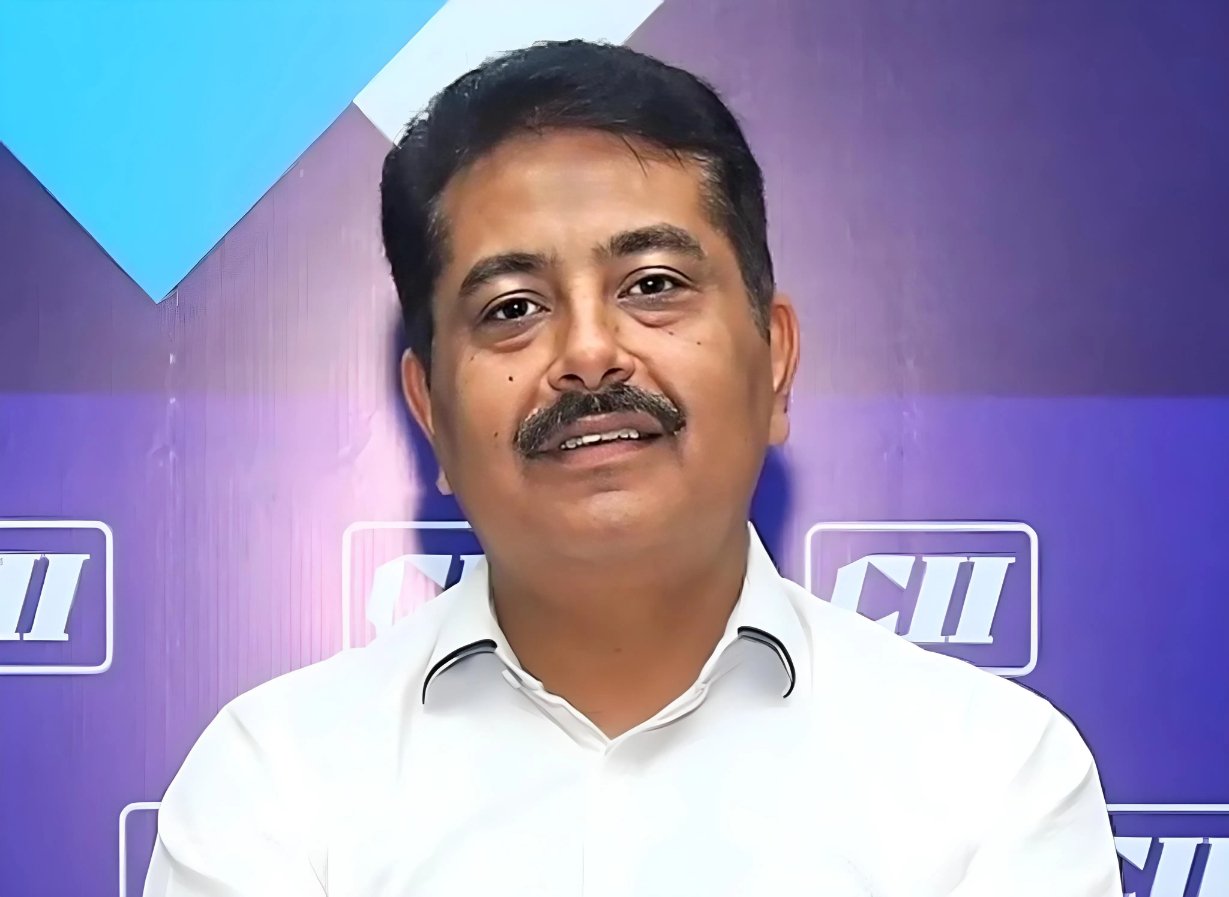
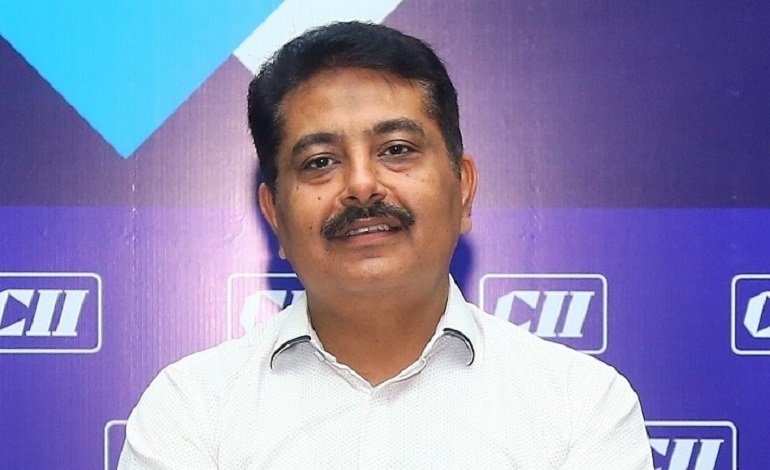
India’s Demographic Dividend May Already Have Become Its Demographic Drag: Dr Subhash Bijlani

0

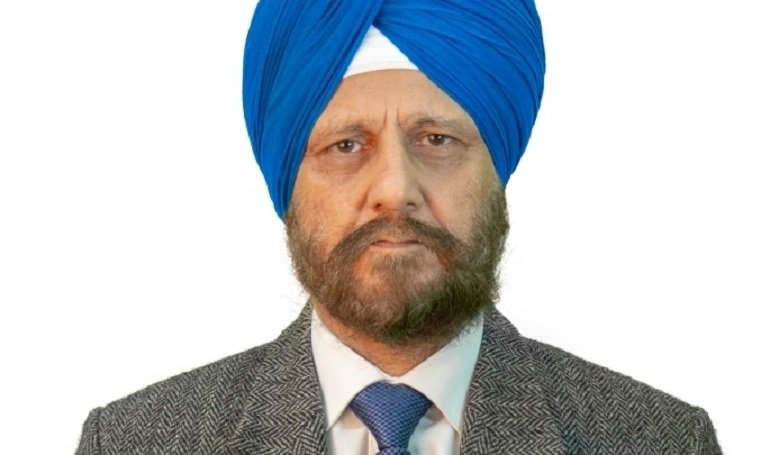
A well known Indian academic and business leader has claimed that the much touted demographic dividend of the country may already have become its demographic drag because of the failure to skill its youth in good time.

Addressing the inaugural session of a conference on “Strategies For India@75 – Translating Aspirations Into Reality” as part of the 125th anniversary celebrations of CII at its northern region headquarters in Chandigarh last Friday, Dr Subhash Bijlani, past Chairman, CII Northern Region, and President, Magnus Consulting Pvt. Ltd., said India should by now have already embarked on an annual growth path of 8-9% in its quest to become a 5 Tn US $ economy by 2024-25. “While the dream is not in question, how we put the pieces together is,” he emphasised.

Comparing the state to a company, he said the strength and success of both lies not in framing strategies and vision documents, which are the easiest things to do, but in implementation. He gave the example of several big US companies which went down because of bad implementation, despite having great strategies. Raising the dismal implementation of various police reforms commission recommendations s and the Child Labour Law in India, he said a big disconnect is for everyone to see. “Meticulous implementation of laws, policies and programmes will eventually decide whether we swim or sink,” he opined.

Suggesting that the country learn from our armed forces the art of training and skilling, he said in his opinion General OP Malhotra (retd), Governor of Punjab in early 1990s, and JF Ribeiro, state police chief in the late 1980s, did this to great effect during the height of terrorism in the border state.

Tracing the 125 years history of CII, ever since it began its journey in 1895 with five engineering firms, all members of the Bengal Chamber of Commerce and Industry, joining hands to form the Engineering and Iron Trades Association (EITA), Dr Bijlani said the story of CII has been the story of the economic development of the country itself.

He was all appreciation for CII Northern Region, which is into its 25 years, for doing a great  job in championing the cause of the industry and trade in the region. He shared with the gathering that the foundation stone of CII’s Northern Region headquarters was laid in 1992, when Surendra Nath was the Punjab Governor and Beant Singh Chief Minister, and the building was inaugurated by then Union Finance Minister P. Chidambram in 1995.

Chandigarh Police DG Sanjay Baniwal

Director General of Chandigarh Police Sanjay Baniwal, in his emotionally charged up address, most of it in Hindi, said “during my 33 years in service I have learnt not to keep expectations from the country, but to concentrate on what I can do for it, and what role I need to play. We should be ever thankful for being born in a ‘behatareen’ (marvelous) country and be proud of our rich inheritance and culture.”

Challenging the societies which have traditionally looked down on India as a subservient society, and asserting that they had no right to give us lessons in human rights and issues of governance, Baniwal said since ages Indians have shown great wisdom and skills. The towering pillar at Mehrauli (Delhi), a great combination of rust-resistant metals, and many other such masterpieces, are shining examples of India’s advanced knowledge and skills, he added.

For ages, he asserted, this country has practised the highly evolved concept of ‘Sanatana Dharma’, a way of life to ensure the continuity of humanity on the Earth. Such a society cannot be inferior to any other, he emphasised.

Expressing confidence that the youth in India has the strength of knowledge and skills to take the country to its pinnacle, building on a strong foundation inherited from previous generations, Baniwal, at the same time, cautioned them against being distracted by actions like burning of buses and government property and atrocities on women and other weaker sections of society, which were clearly disrespectful to the nation.

He was of the view that people in high offices and positions need to lead by example. As DG of Chandigarh police his greatest challenge is to endear the police force to all sections of the society, which it is currently not, he said, adding that he is using technology as a tool to overcome this challenge. “You have to keep at it. Even small-small efforts made persistently will one day lead to impactful outcomes,” he maintained.

Shedding a typical regimental ‘fauji’ style, Chief of Staff, Headquarters West Command Lt Gen GS Sangha lightened the atmosphere in a jovial fashion as he began his address. He recounted: “I was wondering why my wife (unlike other days) was not cross with me this morning. Happy Valentine’s Day!” he wished the gathering, and the conference hall erupted in laughter.

Picking up strings RM Khanna, another Past Chairman, CII Northern Region, and Managing Director, Stanley Engineering Pvt. Ltd., who was chairing the inaugural session, quipped “We will have a bouquet sent to her immediately, Sir!” “You would save my life!” the General remarked in thanksgiving. Another round of laughter followed.

Lt Gen GS Sangha

Coming to the topic of the conference, the General said a strong indigenous defence industry is the need of the hour, and it is being accorded top priority by the country. “Some of our adversaries have moved far ahead of us in this field. Therefore, the defence forces are urgently looking for cutting edge R&D in hi-tech weaponry to close the gap. In this endeavour the armed forces have opened their doors to the private sector and young innovators, researchers and startups.

“We stand fully committed to open our field firing ranges and terrains for field trials of equipments developed by the private sector for the defence forces. We are also committed to certifying the quality of defence equipment developed, even if there may not be an immediate requirement for it for the Indian armed forces, so that these can be sold to armed forces in friendly countries.”

Informing the gathering that the world spend 1822 Bn US$ on defence in 2018, which was 2% of the global GDP, he said there is a great opportunity for the country to step up and claim a sizable share of defence exports. The Ministry of Defence has set a target of Rs 35,000 crore in defence exports for 2024, and this would be in addition to the indigenous demand for defence procurements, he added.

Gen Sangha said the government has put in place a forward looking defence procurement programme, and progressively indigenous spares are being inducted. Artillery guns are a perfect example of indigenisation, but the country has to go far. Towards this direction, the decision to set up two defence industrial corridors in the country is the single most important policy initiative taken by the government, he emphasised.

Making the Army Design Bureau as a single point of contact for the private defence industry is another major step to simplify the process of engagement, he added.

Asserting that the armed forces are always in a state of readiness, he echoed their philosophy saying “The more you sweat in peace, the less you bleed in war.” He ended his address with a firm commitment from the armed forces to win future wars with Indian equipment.

Haryana Agri Minister Jai Parkash Dalal

While agreeing that the country has so far not been able to progress at a desirable pace, and that there are several inherent problems in our systems at the government and societal level, Haryana Agriculture & Farmer Welfare Minister Jai Parkash Dalal said he is a firm believer that despite all these irritants the country is progressing well and has a bright future ahead.

The pace of progress in any country is set by the political leadership. When the leadership is weak, the progress slows down, and when it is strong, as the one being provided by Prime Minister Narendra Modi, the pace of progress is hastened, he stressed.

Giving the example of Haryana, which was formed by bifurcating the then undivided Punjab state in 1966 and initially dismissed as an unviable state lacking resources, he said the state forged ahead of others, riding on strong political leadership provided by consecutive chief ministers. Electrification, road network, irrigation canals and strengthening of education infrastructure happened at a brisk pace, which attracted industry, he asserted.

He advocated that instead of constantly cursing ourselves, and pulling ourselves down in the process, the youth, who are the future of the country, must adopt a positive approach towards taking the country to new heights of progress and prosperity.

Giving an example of resolve from his own ministry, he said an international fruit and vegetable market to be established at Ghanaur in Sonipat district has been hanging fire for the past 12 years. Land was acquired for the purpose but it was diverted for industrial use when polluting units were being phased out of the national capital.

Later another parcel of land was acquired, and still nothing happened. After taking over as minister he has insisted that the department give him two dates – one for starting work on the project and second for completing it. Come what may, the project will be up and running in the shortest possible time, the minister said emphatically.

In his introductory remarks, RM Khanna said, for a nation 75 years is a very young and dynamic age, and India looks set to take that big leap into the future. Dwelling on the role of the CII Northern Region headquarters, set up in Chandigarh with a view to help develop industry and commerce in the region, he said it has stood out because of the unflinching objectivity with which it has been able to present its views in the overall interests of the nation and the industry.

LifeInChandigarh.com  by APR Media House is an enjoyable digital reading startup, which keeps you abreast of the latest meaningful happenings of interest to large sections of folks in Chandigarh tricity, and expats from the region. It has been promoted by a public spirited senior journalist and media consultant with a view to encourage good quality and healthy journalism, a dire need of the times.

To keep in touch, drop an email or call :
kochhar.apr@gmail.com
9815617676
Indias First Known Treated Patient Opens Doors: Lecture At PUs Microbiology Deptt

0

If your bacterial infection fails to respond to repeated antibiotic treatments, and the doctors are clueless about further course of treatment, it could be a fit case of antimicrobial resistance. Increasing incidence of this condition globally is vexing the medical fraternity, which feels that if new antibiotics or other alternative therapies are not urgently developed, the world could witness mass deaths by 2050, by when such cases are expected to rise tenfold.

Phage therapy, actively practised as a first line of treatment for bacterial infections among humans in some east European countries like Georgia and Poland for decades, along with some other alternative treatments being actively pursued by researchers in laboratories across the world, hold out much promise of arresting this potentially alarming situation.

Photos By : Life In  Chandigarh

Phages, natural predators of bacteria, and available in abundance in our environment, are isolated through various processes and those best suited to a specific bacterial infection are used for treatment of such conditions. Phages are known to be safe for use on humans and do not leave any side effects.

Pranav Johri, the first known drug resistant Indian patient to have been successfully treated with bacteriophage therapy at the Eliava Phage Therapy Centre in Tbilisi, Georgia, along with his wife Apurva, have now taken upon themselves to create awareness about this therapy and enable access to it for other drug resistant patients who find themselves helpless and in despair.

The duo have co-founded Vitalis Phage Therapy, which, in partnership with the Tbilisi-based center, is now providing distance treatment to Indian patients within the country, drastically cutting down on costs involved in travelling to Georgia for two-three rounds of tests and treatment, each lasting nearly three months.

The Johris, on the invitation of the Department of Microbiology, Panjab University, presented a lecture “From Patient to Advocate: Bringing Phage Therapy To India” in the seminar hall of the department on Friday for the benefit of faculty members, researchers, professionals and students. They were grilled on various aspects of phage therapy by some of the brightest brains from among the 50-odd participants, and the couple appeared to have all the right answers to the barrage of questions thrown at them.

They also presented four case studies to prove the efficacy of the phage therapy with little or no trace left of the pathogens after the treatment, and with no side effects whatsoever.

Pranav later told LifeInChandigarh.com that ever since Vitalis came into being in 2018, over 350 people have contacted them with their medical issues and more than 50 of them have been enabled access to treatment from the Georgian institute through them. “Initially people seeking the treatment were required to travel all the way to Eliava center in Georgia for treatment, however after a lot of cases came their way wherein people could not undertake the travel for various reasons, the distance treatment program was started for India, which reduced costs by nearly 70%.

“Now people take phage therapy as personal medicine (allowed in India this way) under the guidelines of Eliava doctors, but administered by their own treating doctors in India. Phage medicines are sent directly by Eliava to patients,” he informed.

In another initiative, Vitalis is enabling availability of sensitivity testing with standard bacteriophage preparations of the Eliava center in India itself in collaboration with a New Delhi based diagnostic lab (Dr Dang’s, Delhi), whose personnel are being sent to Eliava for requisite training. This will bring down the time taken for test reports from three weeks to 3-4 days.

Pranav shared that when he went to Eliava for nine months of treatment spread over three rounds, his costs came to about 5000 Euros per round of three months treatment, including cost of travel and stay in hotel/apartment, etc, but with the distance treatment program this cost had come down to as low as 1900 Euros per round (about Rs 1.5-1.6 lakh). The treatment may require one, two or three rounds depending on individual treatment, he added.

“It is our constant endeavour to bring the cost of treatment down further to make the treatment accessible to more and more people,” Apurva stressed.

Pranav’s Own Story

* He experienced 175 days of persistent fever (100-101 degrees Fahrenheit) with pain in lower back, flanks and groin
* 19 doctor visits, initially diagnosed as chronic bronchitis
* Administered five courses of different antibiotics spread over two months
* No improvement, only side effects like pain and fatigue, infection not responding to antibiotics
* Doctor did not know how to proceed with further treatment
* Advised him to live his life my managing symptoms
* At 33 years of age the situation of hopelessness and despair in life was unacceptable to him
* For next two months devoted his entire time to researching on his medical condition, wherein bacterial infection was not responding to antibiotics
* Reached out to some US and French researchers working in this field. A few responded.
* Confidence built up in him of finding a potential alternative source of treatment
* During further research came across phage treatment, none from India was known to have taken it, later satisfied himself regarding the long standing phage treatment being practised at two centres – Eliava Phage Treatment Center, Tbilisi, Gerogia & Phage Therapy Unit in Wroclaw, Poland. Chose Eliava.
* Nov 2016 – comprehensive testing found four bacteria – Staphylococcus Aureus, Staphylococcus Haemolyticus, Enterococcus Faecalis and Steptococcus Mitus – along with high WBC (white blood cell) count. All four bacteria were resistant to the five courses of antibiotics taken during previous treatment
* 1st round of treatment started with phage preparation sensitive to these bacteria
* March 2017 – two of the four bacteria cleared. Ultrasound showed prostate inflammation reduced by 25% and WBC count significantly better
* Nov 2017 – After 2nd round of treatment, three of the four bacteria cleared and WBC count found within normal range
* 3rd round of treatment done with custom phage preparation. Despite prolonged usage of phage, no side effects seen. Two years after treatment, body is symptom free

LifeInChandigarh.com  by APR Media House is an enjoyable digital reading startup, which keeps you abreast of the latest meaningful happenings of interest to large sections of folks in Chandigarh tricity, and expats from the region. It has been promoted by a public spirited senior journalist and media consultant with a view to encourage good quality and healthy journalism, a dire need of the times.

To keep in touch, drop an email or call :
kochhar.apr@gmail.com
9815617676
Indian Pharma Has Dominated Generics, Nows The Time For New Drug Molecules

0

A tremendous growth path of the health sector, despite an overall downturn in the Indian economy, has thrown up a great opportunity for the government, regulators, industry and academia to work in unison and grab the global leadership role for the country by 2030 in developing new drug molecules, medical devices and diagnostic equipment.

This was the underlining message which emerged during deliberations at ICONICA 2020, a two-day Global Summit on Next-Gen Paradigms in Health Care, which concluded at Panjab University Chandigarh on Friday. More than 900 delegates from 14 Indian states and eight countries – US, Canada, UK, Ireland, Belgium, Austria, Dubai and Bangladesh – participated in this first ever initiative of the university.

Photos By : Life In Chandigarh

Himachal Pradesh Governor Bandaru Dattatreya, who was the chief guest at the inaugural session, stressed on the need for setting up more incubators in institutions of higher learning so that more youth could become entrepreneurs and contribute to employment generation. Emphasising that developing scientific temper, skills and ethical values among students should be integral part of all educational curricula, he said without these traits education becomes meaningless.

Guest of honour Dr. Dinesh Dua, Chairman, Pharmaceuticals Export Promotion Council of India (Pharmexcil), and CEO & Director, Nectar Lifesciences Ltd, in his address made an impassioned appeal for making India the global innovation drug molecule hub. For this to happen the industry and academia have to collaborate closely and the regulators need to ease the norms for clinical trials, he added.

Sharing figures, he said the market size of the Indian pharma industry is estimated to be worth US$40 Bn, up from just US$ 6 Bn in 2005, showing a compound annual growth rate of 17%. It has a share of 3% in terms of value of the global pharma industry and 13% in terms of volume. This is because the Indian pharma industry has done tremendously well in formulation of generic drugs, now it needs to focus more on formulation of new drug molecules, he asserted.

Dr Dua was of the view that India must also aim for a major turnaround in the medical devices and diagnostics space where the country is currently a huge importer.

In a preceding technical session, Rodney JY Ho, Prof & Presidential Entrepreneurial Fellow of University of Washington, Seattle, highlighted the crucial role of private-public partnership in developing new impactful Next-Gen health products. He also talked about Next-Gen innovation to transform short-acting oral dosage for HIV treatment into long-acting injectables to make these more accessible to affected people in low and middle-income countries. For this, these countries need to work together closely, he opined.

Speaking on the subject 3D bio-printing, Mandip Singh Sachdeva, Professor and Section Leader for pharmaceutics activity at Florida A&M, College of Pharmacy, said in the next 10 years the world may have its first 3D printed synthetic vascularised (with blood and other vessels) human organs and live tissues for transplantation.  

Informing that stem cells taken from different parts of the body can make just about everything, he said even a tumour can be recreated outside the body with the help of 3D printing using the biopsy of the tumour embedded in any part of the body. Various therapies can then be tested on it and the one giving the best results can actually be applied to the tumour inside, he added.

There was also a lecture on Intellectual Property Rights by Dr. Umesh Banakar, Professor and President, Banakar Consulting Services, Carmel, USA.

The summit had several other technical sessions as well.

LifeInChandigarh.com  by APR Media House is an enjoyable digital reading startup, which keeps you abreast of the latest meaningful happenings of interest to large sections of folks in Chandigarh tricity, and expats from the region. It has been promoted by a public spirited senior journalist and media consultant with a view to encourage good quality and healthy journalism, a dire need of the times.

To keep in touch, drop an email or call :
kochhar.apr@gmail.com
9815617676 
Dr Vikas Gautam Of PGI Gets Innovation Award For Developing Herbal Antiseptic

0

Dr Vikas Gautam, a professor in the Department of Medical Microbiology at Post Graduate Institute Of Medical Education & Research (PGIMER) Chandigarh, won the first prize in the BRIC Technology Exposition 2020 organised for the first time for statups and innovators in the region at the CSIR-Imtech (Institute of Mircobial Technology) Chandigarh on Friday.

The prize worth Rs 1 lakh was awarded to him for his innovation, a potent novel herbal antiseptic called Sepil, which is being considered superior to povidone-iodine, a broad spectrum antiseptic used for topical application in the treatment and prevention of wound infection.

Photos By : Life In Chandigarh

The exposition-workshop, wherein 20-odd startups and innovators from the region in the domains of agriculture, secondary agriculture, healthcare and pharma got to interact with some well known mentors, angel investors and venture capitalists, was organised by BIRAC (Biotechnology Industry Research Assistance Council) Regional Incubation Centre (BRIC) in collaboration with IKP Knowledge Park, Hyderabad, a premier science park and incubator, and CSIR-Imtech.

It is an effort to showcase translational ideas, and support researchers who want to generate feasible startup plans in the areas of pharma, medical devices, diagnostics and agriculture. Budding researchers got an opportunity to pitch before investors and learn the process of getting funding or investments and how to develop business proposals.        

Among the industry leaders and mentors/investors, who were also on jury for the expo-workshop, were Dr PJ Singh, Chairman & Managing Director, Tynor Orthotics and Rohit Kuthiala, a well known digital transformation evangelist managing innovation and disruptive technologies.

Also present to motivate the budding entrepreneurs was Deepanwita Chattopadhyay, Chairman and CEO of IKP Knowledge Park, as also its Senior Vice President Dr Ambuj Chaturvedi.

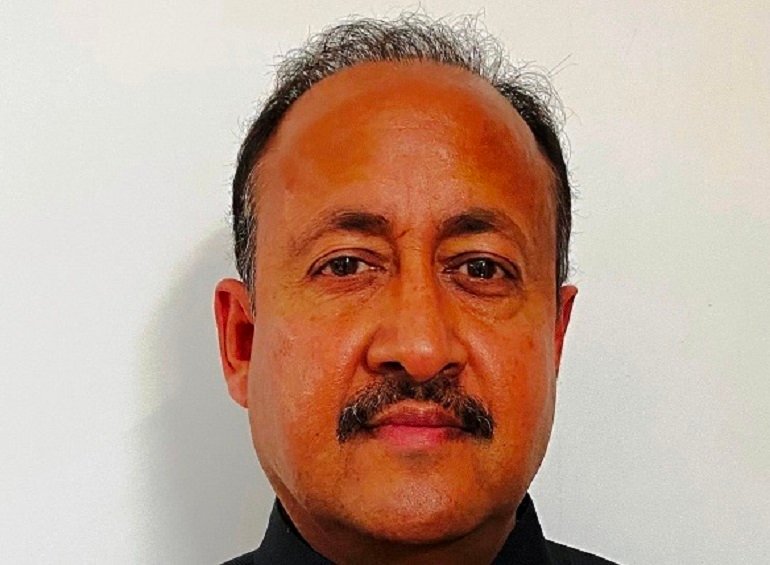
Dr Vikas Gautam

Four winners announced on the occasion will be awarded incubation facility at either IKP Knowledge Park Hyderabad or IKP Eden Bangalore. The aim is to provide them access to facilities in an established incubator to take their ideas forward.

The second prize of Rs 50,000 was bagged in the healthcare domain by a sponge dressing innovation team of the Department of Pharmaceutical Sciences at Panjab University, Chandigarh.

Third in the list of winners was Sidharth Arora, Founder & CEO, Fermentech Labs, housed in the TIDES Business Incubator at IIT Roorkee, in the secondary agriculture domain for developing a novel solid-state fermentation bioreactor for production of industrial enzymes.

The fourth place went to A2P (Agri2Power) Energy Solutions, Rajpura, Punjab, in the agriculture domain for developing NextGen biofuels. The company is producing energy products like pellets from paddy straw, thereby helping reduce the open field paddy straw burning problem.

Speaking at the occasion, Deepanwita Chattopadhyay said, "IKP has always believed in promoting entrepreneurs, advancement of technology-based innovators and small and large companies through customized space, shared equipment, incubation, mentorship and funding. IKP has so far supported over 550 companies from eight countries, 80% of which are start-ups."

She informed that BRIC at IKP Knowledge Park is mapping life science innovation in India, and Chandigarh is one of the 23 innovation clusters being mapped. Holding the tech-expo at CSIR-IMTECH is part of this exercise, she added.

Later talking to LifeInChandigarh.com, Dr PJ Singh said the purpose behind his on-the-spot announcement to give away the ‘Tynor Innovation Cash Awards’ for the first two winners was to stimulate much needed excitement and exuberance among them, which is vital to succeed in whatever goals they have set before themselves.

He shared that the differentiators between the winners were level of novelty, commercial viability of the project, scalability in the business model and a maturity of mind. The ideas of other participants were also very good, but they lacked adequate groundwork to take these forward, he added.

He lauded the efforts of IKP Knowledge Park Hyderabad in bringing the startups and innovators together on a common platform, which he felt was much needed. There are a lot of innovative minds and ideas in the region needing hand holding, which is sadly lacking, he emphasised

Dr Manoj Raje, officiating Director, CSIR-IMTECH, in his welcome remarks stressed the need for having such tech exposition-workshops across the country to boost Government of India’s #Startup India mission.

Vinay Mehta, Director, Research & Innovation and Head, Tech Commercialisation, Chitkara University Research & Innovation Network (CURIN), who conducted the presentations by startups and innovators, while describing IKP Knowledge Park, Hyderabad as a beacon of light in the incubator ecosystem, felt that concerted efforts were required for this region to develop a mature startup ecosystem to be able to compete with the more advanced centres. 

LifeInChandigarh.com  by APR Media House is an enjoyable digital reading startup, which keeps you abreast of the latest meaningful happenings of interest to large sections of folks in Chandigarh tricity, and expats from the region. It has been promoted by a public spirited senior journalist and media consultant with a view to encourage good quality and healthy journalism, a dire need of the times.

To keep in touch, drop an email or call :
kochhar.apr@gmail.com
9815617676
Drinking 2 Litres Unfiltered Water, Or Breathing 1100 Litres Air Daily, What Is More Harmful?

0

A gentleman, on stage in Chandigarh recently, asked a gathering of seasoned and budding dentists how many of them drank unfiltered water. Quite expectedly, none raised hand. But, in the same breath, when he enquired how many of them breathed unfiltered air, everyone in the hall raised their hand.

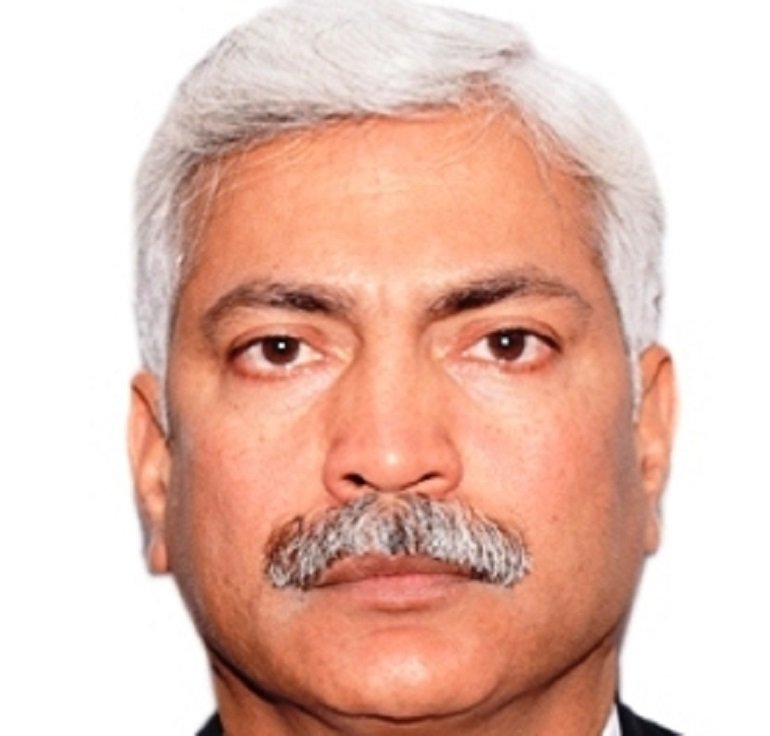
The man was Barun Aggarwal, CEO of Breathe Easy Consultants, independent custom solution providers and official partners in India of Switzerland-based IQAir, one of the biggest worldwide air quality technology companies.

Photos By : Life In Chandigarh

IQAir came to the rescue of the Hong Kong authorities during the outbreak of the SARS (severe acute respiratory syndrome) viral disease in 2003, equipping 150 hospitals and other health care facilities with purification systems to help contain the virus.

In 2008, it was called upon by the US Olympic Committee to create an ultra-clean-air environment for the US contingent in their rooms and indoor training areas to tackle the challenging air quality in Beijing during the Olympics hosted by the Chinese capital city.

With the uncontrolled spread of the newly discovered coronavirus in China, the company has once again been called upon to equip hospitals in the most affected Wuhan area with air purifiers to help treat patients infected with the virus.

Giving a presentation on hazards of air pollutants at a continuing dental education (CDE) programme, organised by Chandigarh branch of Indian Dental Association (IDA) along with International College of Dentists (ICD), Aggarwal said while we as a society have realised the havoc contaminated and polluted water can play with our body, and are hence installing water filtration systems without any hesitation, we are still largely closing our eyes to the short-term and long-term health hazards of breathing highly polluted air even indoors.

This despite the fact that compared to 2-4 litres of water consumed every day, a person daily breathes anything between 11,000-13,000 litres of air, thus exposing self to several times greater health hazards through air than water.

He said studies have conclusively proven that fine and ultrafine particulates (PM10, PM2.5), airborne bacteria, viruses and a wide range of gaseous chemical contaminants like carbon dioxide can in the short term cause allergic reactions, eye infections (conjunctivitis), irritation of nose and throat, bronchitis, pneumonia, headaches and nausea, breathing difficulties, skin reactions (eczema) and asthma attacks.

Among the long-term health hazards of air pollution are chronic respiratory diseases, lung cancer, heart disease, damage to the brain and nerves and damage to internal organs (e.g. liver & kidney), he shared.

Why Do We Breathe Easier in Europe?

Reiterating that the quality of air we breathe is of utmost importance for our well-being, he said the less allergens, microorganisms and chemical pollutants we breathe, the lesser the chance of falling ill. “Why is that frequent Indian fliers feel the change in the air as soon as they land in airports in US and Europe, or Dubai for that matter. It is because of the high air quality at these places that health issues like cough, cold, congestion and migraine tend to vanish on landing at these places.  

Despite the high air quality index, the business of indoor air purification in these countries is very high because the people are much more aware of health hazards of air pollutants than we Indians, he added.  

Claiming that IQAir offers the most advanced air cleaning solutions for indoor air pollution in homes, in cars, in educational institutions, corporate offices, hospitals and hi-tech laboratories, etc along with high quality individual face masks and testing machines, he said the high efficiency of the products is guaranteed.

Aggarwal informed that though the IQAir air purification products and solutions are priced much higher than other common products available in the market, there is no comparison of IQAir products in quality, which is value for money. Giving an example, he said the IQAir HealthPro 250 systems installed during the SARS outbreaks in 2003 are still in stable operation even after 16 years.

Aggarwal’s Own Bitter Experience

Later relating his personal bitter experiences with air pollution in India, which subsequently led him to enter this business, Aggarwal told LifeInChandigarh.com that after living in the US when he returned to India, both his small children developed breathing problems. He took a yearlong sabbatical and went to Yamnotri where the clear blue sky, in stark comparison to the perpetual grey sky over Delhi, left a lasting impression on his mind.

On his retu to Delhi, he tried to persuade his father-in-law, the famous Kamal Meattle, whose Paharpur Business Centre (PBC) building in Delhi was rated one of the ‘Healthiest Office Building in Delhi’ by the government with a ‘living’ air filtration system of over 1200 indoor plants, to do something by which people could breathe fresh and clean air, but the latter motivated Aggarwal to go for it. Thus, the portable solutions business was born.

In 2013, Barun Aggarwal launched Breathe Easy Consultants Pvt Ltd. “For eight months we had zero sales because of complete lack of motivation among Indians towards installing air purification devices to enable them to breathe clean air. However, the conversation began to change in 2014-15 when New Delhi began to figure on top of the list of most polluted cities in the world and health concerns were raised over US President Barak Obama’s official visit,” he shared.

Today Beathe Easy is a busy company, executing air purification projects for American Embassy School, The British School and German School in New Delhi and DSB International School in Mumbai. It is also providing air purification consultancy at concept stage for buildings of large corporations like Infosys and Wipro, as also providing monitoring and maintenance services.

The company has a 50 odd strong team located in New Delhi, Gurugram, Mumbai and Chandigarh. Currently its business is estimated to be in the region of Rs 25 crore, but Aggarwal is confident that it is poised to touch Rs 100 crore in the next three years and Rs 500 crore in 8-10 years, riding on the wave of awareness among Indians, especially from the upper strata of society.

https://breatheeasylabs.com/

Aggarwal has also launched a Facebook group called ‘On Air With Barun’ wherein he posts a series of videos to increase public awareness about air pollution.

 https://www.facebook.com/groups/OnAirwithBarun/

LifeInChandigarh.com  by APR Media House is an enjoyable digital reading startup, which keeps you abreast of the latest meaningful happenings of interest to large sections of folks in Chandigarh tricity, and expats from the region. It has been promoted by a public spirited senior journalist and media consultant with a view to encourage good quality and healthy journalism, a dire need of the times.

To keep in touch, drop an email or call :
kochhar.apr@gmail.com
9815617676
Digital Dentistry = Greater Satisfaction To Customer: Dr Rajiv Chugh

0

Dentistry is rapidly moving from conventional to digital concepts, which have resulted in greater precision and customer comfort and satisfaction even while adding expenses to dental care. These were the views expressed by eminent dental surgeon from Delhi Dr Rajiv Chugh, whose forte is failed and difficult root canal treatments, during his recent visit to Chandigarh.

In city as guest speaker at a Continuing Dental Education (CDE) programme on ‘Latest In Predictable Endodontics’, organised by the Chandigarh state branch of the Indian Dental Association (IDA) and the International College of Dentists (ICD), Dr Chugh told LifeInChandigarh.com on the sidelines that whether it is crowning or braces, dentistry is massively shifting from conventional concepts to digital.

Photos By : Life In Chandigarh

He said this is leading to greater precision and comfort and satisfaction of dental patients. At the same time the use of newer technologies are also pinching the pockets of customers, he added.

Sharing details, Dr Chugh said these days instead of conventional method of taking impression of the teeth, digital scanners are increasingly being used to take precise measurements, following which moulds are made using 3D printers and the caps fitted perfectly on affected teeth.

The newest concept, he said, is of chair side crowning, wherein machine milling of crowns is done right there and then at the clinic within a couple of hours. However, as the machine is very expensive (upwards of Rs 1 crore), affordability of the new concept remains an issue, he opined.

He informed that another digital age product is transparent aligners in place of the conventional braces.  After a comprehensive scan of the teeth, a series of what are called trays are made, which can be fixed in sets of teeth one by one. These are in vogue because of not being visible to the naked eye and very effective. However, the treatment is pretty expensive and not everyone can afford it. These aligners also don’t work in all dental situations, he averred.

Coming to his forte, which is failed or difficult root canal treatments, he shared that a common mistake many dentists make during root canal treatment is to use the instruments on multiple patients, when these are generally meant for single use. These instruments are expensive and add to the inherent cost of treatment. To cut corners, some dentists use the same instruments on multiple patients resulting in their breakage at times during procedure.

He emphasised that patients should be made aware that root canal treatment is not a panacea for all dental problems and that it has some limitations in certain conditions. In hopeless situations, for example when either the tooth breaks or the infection reaches the jaw bone, then there is no other way but to extract the tooth, even though retaining a natural tooth is any day a better option than getting an artificial implant, he added.

Talking about negligence on the part of patients in getting their caries treated, he pointed out that cavities can be filled only when they have not yet reached the nerves. Once that stage is reached, immediate root canal treatment is advised, otherwise the tooth may have to be extracted.

He went on to inform that once tooth is extracted, an artificial implant should be done immediately after the jaw bone has healed sufficiently. Prolonged delay can result in the jaw bone, which has to support the implant, getting reduced, making the implant difficult to fix.

Of course, getting bone grafting done to augment the jaw bone is an option, but then another step gets added in the treatment leading to additional time, cost and discomfort to the patient. As they say “a stitch in time saves nine”. Immediate replacement should be done, he advised.

Dr Chugh maintained that the implants are made of titanium and are safe. The material is bio compatible and threads of the screw-like extension of the implant get fused with the jaw bone, which, like bones in other parts of the body, is soft and elastic. It’s a good replacement, if required.

IFEA WEC 2020

He also informed the gathering of dentists that IFEA WEC 2020 – International Federation of Endodontic Associations’ 12th World Endodontic Congress (WEC) will be held at Chennai from Sept 23-23, 2020, the very first time a world endodontic conference is being hosted by India.

Centenary Year Of Dentistry

The CDE on Sunday marked the beginning of centenary year celebrations of dentistry in India. Dr R Ahmed founded the first Dental College of India in 1920. It was funded by starting the New York Soda fountain in Kolkata. The centenary torch, which began its journey from the Indian Dental Conference in Tiruvananthapuram, Kerala, has reached Chandigarh and will be passed around dental institutes in the tricity in the coming days.

Centenary Year Of ICD

This year, the International College of Dentists (ICD) is also celebrating 100 years of its existence. ICD was founded in Tokyo, Japan in 1920 by a group of Japanese and American dentists.

ICD indulges in scientific and social activities. Enrolment entitles a dentist to fellowship, not membership. Dentists above 35 years of age, recommended by their colleagues, go through a stringent scrutiny before they are enrolled for the lifelong fellowship, which needs to be renewed every three years. Candidates ought to have contributed significantly to the profession and to the society at large. Considering that the college has its branches in 120 countries, only 12,000-13,000 dentists worldwide have received this fellowship so far.

Current president of the Chandigarh state branch of IDA Dr RP Gupta, who is also incumbent president of ICD Section 6, comprising India, Nepal and Sri Lanka, informed that during this special year, IDA Chandigarh, along with ICD, plans to organise extensive awareness activities for the public at large. Adding to this, IDA Chandigarh branch secretary Dr Arpit Gupta said two such programmes have been planned on International Women’s Day on March 8 and World Oral Health Day on March 20.  

About Dr Rajiv Chugh, faculty for the CDE

After obtaining his Masters from King George’s Medical College, Luchnow University, in 1984, Dr Rajiv Chugh went on to become a fellow of the International College of Dentistry, USA, and fellow of the Academy of Dentistry International, USA.

Dr Chugh is a Nobel fellow in implant and aesthetic dentistry and has to his credit many international upgradation programmes in India. He has contributed various scientific papers in journals of international repute.

Dr Chugh is a member of the American Association of Endodontics, Indian Dental Association, Federation of Operative Dentistry of India and founder member of Indian Endodontics Society and the Indian Academy of Restorative Dentistry.

An eminent endodontist, Dr Chugh’s forte is the management of failed and difficult root canal treatments. He extensively lectures dentists all over the globe and is attached to various continuing education programmes to bring in the latest techniques and equipments used in dentistry today.

LifeInChandigarh.com  by APR Media House is an enjoyable digital reading startup, which keeps you abreast of the latest meaningful happenings of interest to large sections of folks in Chandigarh tricity, and expats from the region. It has been promoted by a public spirited senior journalist and media consultant with a view to encourage good quality and healthy journalism, a dire need of the times.

To keep in touch, drop an email or call :
kochhar.apr@gmail.com

Owners Driving Cars Are Our Only Competitors: Uber Punjab Head

0

Whether cab drives or truck drives, men of Punjab origin have traditionally been the dominant driving force in commercial transport business across continents, especially in USA, Canada, Australia and UK. So, it does not come as a surprise that 55 of the top 100 driver-partners in India of worldwide ride-hailing company Uber, who have clocked maximum trips ever since its entry into the country, are from Punjab.

So upbeat is Uber India about the Punjab market, where its 18,000 strong army of drive-partners have lapped up 65 million trips in five years, that it now considers owners riding their cars around as its only competitors.

Photo By : Life In Chandigarh

“Our target is to constantly keep making efforts to reduce use of private cars by owners to ease road congestion and pollution, and protect the environment,” Gaurav Dhama, Punjab Head of Uber India told LifeInChandigarh.com after a brief ceremony to honour two of the star driver-partners in the country in terms of number or trips done.

Jaswinder Singh with 30,310 trips in his three year association with Uber India has the maximum trips by any Uber driver-partner in the country. The other star performer honoured on the occasion was Rajinder Singh with 24,909 trips under his belt during his four years with the company. Both driver-partners have earned a very impressive 4.9 rating from riders on a scale of 5.

Dhama said, since its launch in Punjab in 2014 Uber India has expanded from two product offerings – Uber GO and Uber Premier – to an entire portfolio of multimodal mobility solutions, encompassing Uber XL, Uber Hire, Uber Intercity, Uber Pool and Uber AUTO and constantly improved driver and rider safety and overall experience.

Since its launch in end 2018, Uber AUTO has witnessed a phenomenal growth, Dhama claimed. In 2019 rides grew by two-and-a-half times. This year’s growth target is three fold of last year’s performance.

Uber Intercity appears not to have done as well, with Dhama evading figures and just stating that it has also shown good growth in the last two years since its launch. Currently, Uber India is serving more than 15 destinations across Punjab, with Chandigarh-Ludhiana and Chandigarh-Delhi being the most popular routes, he stressed.

Maintaining that Uber had become the preferred first choice platform for both riders and driver-partners, he said encouraged by the positive response from Chandigarh, Uber India had steadily expanded its geographical presence across four additional cities of Ludhiana, Amritsar, Jalandhar and Patiala in Punjab.

Dhama reiterated that Chandigarh market continues to remain one of the important hubs in the country. This is evident from the fact that several pilot projects like Uber Plus loyalty program for driver-partners and their families and 24X7 safety helpline were launched here, and only after their successful run these were extended to the entire country.

LifeInChandigarh.com  by APR Media House is an enjoyable digital reading startup, which keeps you abreast of the latest meaningful happenings of interest to large sections of folks in Chandigarh tricity, and expats from the region. It has been promoted by a public spirited senior journalist and media consultant with a view to encourage good quality and healthy journalism, a dire need of the times.

To keep in touch, drop an email or call :
kochhar.apr@gmail.com
9815617676
PET Scan, Gamma Camera Add Punch To Grecian’s Cancer Treatment Profile

0

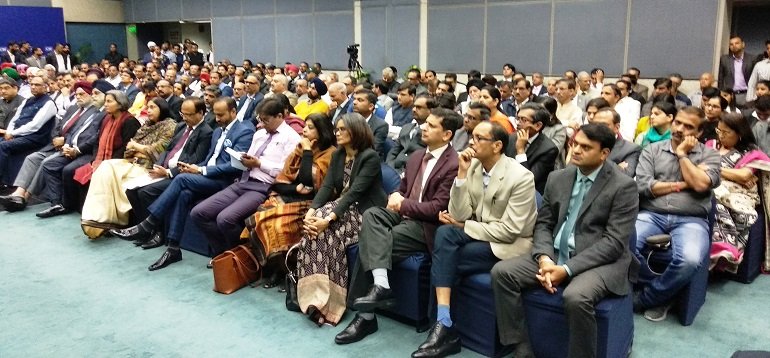
Grecian Mohali, which brands itself as an affordable super speciality hospital, is now positioning itself as a premier cancer hospital of the region after equipped itself with the latest PET-Scan and Gamma Camera. As part of its public outreach it is observing a cancer awareness month, coinciding with the February 4 World Cancer Day.

During the entire month, apart from free consultation in oncology, urology, gynaecology, diet and nutrition, gastroenterology, cardiology, orthopaedics and general medicine, free testing will be done for blood pressure, sugar and ECG.

Photo By : Life In Chandigarh

On February 2, a free mega cancer screening camp will be organised in the Sector 69 hospital from 9 am to 2 pm (call 6283705192 for registration), in which consultation will be complimentary and all prescribed tests will be conducted at highly subsidised rates.

Also on offer throughout the cancer awareness month will be specific cancer screening packages for cervix, prostate, lung and gastro-intestinal at affordable rates ranging from Rs 1099-1299. General cancer screening packages for men and women will range from Rs 1999-2999. There will be 30% off on routine lab and radiology tests during the entire month.

Sharing details of the cancer awareness month with media persons on Thursday, a team of doctors from the hospital’s Radiology and Imaging department and Oncology department said the awareness will focus on risk factors, need for early screening and detection, preventive measures, symptoms and treatment modalities.

It was heartening to see that there were more women doctors than men in the team comprising Dr Saloni Mehta, Head, Deptt of Radiology & Imaging; Dr Rakesh Kumar Gupta, Radiotherapist; Dr Rupali Aggarwal, Radio Oncologist; Dr Sonia Dhaka, Medical Oncologist and Dr Munish Mahajan, Surgical Oncologist.

They said as part of the activities, there will be daily walkathons at public parks in Chandigarh and Mohali. One will be at Sukhna Lake as well. Health talks have been planned in educational institutions and for senior citizens, among whom incidence of cancer increases. Live Facebook interactions by doctors and a showcase of cancer survivors will be among the other activities.

The doctors informed that the commonest cancers among males are mouth or oral cancer and lung cancer, while among females, in urban areas it is breast cancer and in rural areas cervix cancer, through lung cancer is also increasing seen among females both in urban and rural areas because of smoking habits.

Later interacting with LifeInChandigarh.com Dr Saloni shared that early detection through screening continues to be the key to survival of cancer patients. Females must undergo mammography at age 40-45 years to detect breast cancers. For cervix cancer, which afflicts sexually active females above 30 years, PAP smear test is recommended. These two tests are a must for females under well established medical guidelines. After 50 years of age, colonoscopy to detect intestinal cancer is also an option worth exploring seriously, she added.

Among early symptoms of cancer can be:

* Significant and unexplained loss of weight
* Constant breathlessness and tiredness
* Bleeding through cough, stool or vomit
*
Hunger pangs and constant problems with digestive system
*
Persistent stomach problem and pain in lower abdomen
* Sudden and persistent change in bowel habits
* Persisting lumps in any part of the body
* Wounds that do not heal for long
* Prolonged cough and chest pain
* Sudden change is size of breast or feeling of pain

Dr Rakesh Kumar Gupta reaffirmed that cancer is very much treatable if patients seek medical help at an early stage, but a majority of patients come to a doctor when they have reached the third stage of cancer because of continuing lack of awareness. If people ignore the early symptoms and do not see a doctor immediately then they may cross the stage of no return, he asserted.

The doctors informed that some cancers can be detected during routine blood tests and ultrasound, but there are separate general and specific screening packages for cancers. As a rule, males who are 40-plus must get PSA test done for prostate cancer when they are getting routine tests like RFT, LFT, etc done, they added.

Among Grecian Hospital’s new acquisitions, the PET Scan, which is a 15-20 minutes whole body screening procedure, provides clues to the most suitable treatment option for a cancer and subsequently how a patient is responding to treatment. The Gamma Camera is an imaging technique which helps in identifying diseases with functional scans of the brain, thyroid, lungs, liver, gall bladder, kidney and skeleton.

LifeInChandigarh.com  by APR Media House is an enjoyable digital reading startup, which keeps you abreast of the latest meaningful happenings of interest to large sections of folks in Chandigarh tricity, and expats from the region. It has been promoted by a public spirited senior journalist and media consultant with a view to encourage good quality and healthy journalism, a dire need of the times.

To keep in touch, drop an email or call :
kochhar.apr@gmail.com
9815617676
To Tackle Distress, Ensure Farmers Get Access To Easy Finance For Increased Mechanisation

0

The Agricultural Machinery Manufacturers’ Association (AMMA-India) is pursing with the central government to ensure availability of easy finance to farmers so that more opportunities open up for increased mechanisation of farming in India. It is hopeful that something concrete will emerge from the forthcoming budget to address the burning issue of farm distress.

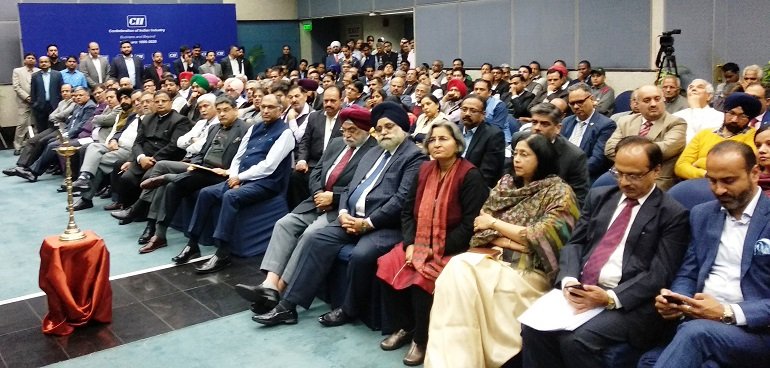
In an exclusive interaction with LifeInChandigarh.com on the sidelines of a three-day India Agri Progress Expo, which concluded in Mohali on Saturday, a team of senior leaders of the national body of agricultural machinery manufacturers, including its Chairman Raju SV, informed that with scarcity of farm labour, need for cutting costs and increase productivity, the demand for mechanisation is increasing.

Photo By : Life In Chandigarh

In such a scenario access to easy finance options is critical for farmers striving to acquire necessary farm machinery for their survival. Cost cutting on manpower and inputs like seeds, fertilisers and pesticides due to mechanisation of operations will also be a major step towards achieving the government target of doubling farmers’ incomes by 2022, AMMA-India Technical Advisor Dr Surendra Singh and immediate past President and current Chairman of the association’s international activities DS Balachandra Babu added.

At the same time AMMA-India has also sought increase in the government subsidies to individual farmers for purchase of new hi-tech machinery from the present 40-50% to 70-75% because these technologies are very expensive. Currently 70 odd farm implements and machines qualify for government subsidies.

The association claims to be making efforts on its own, and also pushing the government to set up more custom hiring centres (CHCs) to allow farmers who cannot afford to individually buy farm machinery to take them on lease as per their requirements. Efforts are also being made to persuade farmers to set up more farm producers’ organisations (FPOs), which can pool resources, and are also eligible for greater government subsidy on farm machinery than individual farmers.  

The association leaders informed that in recent years, the government testing centres for farm machinery had shown a massive increase from just four earlier (Hisar, Bhopal, Anantpur & Assam) to 37 as on date.

Regarding the present status and future prospects of the agri machinery business in the country, Raju, who is Director, Varsha Associates, a one stop centre for agri equipments, and Balachandra Babu, Managing Director, Farm Implements (India) Pvt Ltd, said the current annual business of the industry stands at approximately Rs 50,000 crore (roughly US$ 7 Bn) with the country having achieved only 50-55% farm mechanisation.

AMMA-India is hopeful that the country will be able to increase mechanisation to 75% of farm activities by 2030, by when the industry is expected to have doubled its business to Rs 1,00,000 crores. Currently the industry is growing on an average 5% annually.

The farm implements and machinery manufactured in the country matches up to world standards, as is evident from Indian companies exporting to 75-80 countries worldwide, the association leaders asserted.

LifeInChandigarh.com  by APR Media House is an enjoyable digital reading startup, which keeps you abreast of the latest meaningful happenings of interest to large sections of folks in Chandigarh tricity, and expats from the region. It has been promoted by a public spirited senior journalist and media consultant with a view to encourage good quality and healthy journalism, a dire need of the times.

To keep in touch, drop an email or call :
kochhar.apr@gmail.com
9815617676
Think Beyond Your Cos, Start Mentoring Startups: Kris Gopalakrishnan To Industry Leaders

0

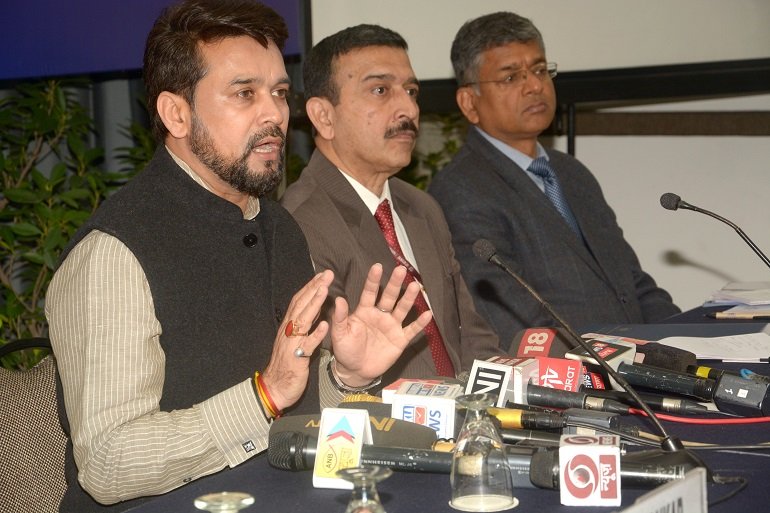
Infosys Co-founder Kris Gopalakrishnan has a vision to accelerate the growth of startups, and he shared it at depth while participating in the CII Northern Region Startup Conclave in Chandigarh recently. He was of the view that if all industry leaders, those who have successful, sustainable businesses, can devote 3-4 hours every weekend to mentor and guide startups and work with the government to create a fair, equitable ecosystem for startups, India can do wonders.

This appeal by a doyen of the industry, and a renewed call to startups by the Indian Army to help arm it with hi-tech indigenous and disruptive technologies to win future wars, were the high points of the well attended conclave held at the Northern Region headquarters of CII on Thursday.  

Photos By : Life In Chandigarh

Looking relaxed and very attentive towards the proceedings, Gopalakrishnan, who is also Chairman, CII National Committee on Entrepreneurship, and Chairman, Axilor Ventures, in his keynote address at the inaugural session of the conclave said today technology is disrupting almost everything in the world, including warfare, and India had a great opportunity to take a global leadership role in this.

“Talent, wherewithal and demand are all there. And, the youth in India believe in themselves that they can conquer the world. Nothing can stop India from assuming a leadership role,” he added.

He said it is the responsibility of the government to assist, and the industry to create jobs for the aspiring youth, and therefore building a robust ecosystem for startups to succeed and thrive becomes important to generate greater employment opportunities. “The industry leaders – all those who have successful, sustainable businesses – need to adopt an attitude whereby they start thinking beyond their companies. If these leaders can devote 3-4 hours on weekends to mentor and guide startups, and work with the government to create a fair, equitable ecosystem for statups, India can do wonders,” he shared.

Giving the example of Kerala and Gujarat where entrepreneurship development programs have been started in schools, colleges, science and technology institutions and management institutes, he said these needed to be emulated by the rest of the country to give a big push to the startup culture in the country. He particularly singled out for praise the work done in this direction by the Entrepreneurship Development Institute of India (EDII) in Ahmedabad and the Kerala Startup Mission.

Gopalakrishnan said students enrolled in these entrepreneurship programs need to be given credits on the lines of activities undertaken under NCC and NSS programs. The best way to learn business, he felt, is to run business and not just by getting an MBA degree.

He also gave example of the ‘Elevate 100’ initiative of the Karnataka government. Under this program 100 innovative startups are being provided government support to scale up their product or solution and to elevate to the next level. In 12 months, government funding to the tune of Rs 72 crore was provided to them, he said, adding that in a cascading effect another Rs 400 crore worth of funding came their way from “outside sources”.

He suggested that a group of universities in particular regions could collaborate to set up research facilities or centres of excellence with the help of industry, as was happening in Karnataka. Another successful initiative of the state government is the ‘Grand Challenge Karnataka’ aimed at channelizing innovations for social impact, where the state government throws up developmental challenges before startups and the selected awardees are funded in stages by the state government to find solutions.

Still another successful Karnataka initiative, which he thought was worth replicating by the other states, is a single minister overseeing all line departments associated with creation of a startup ecosystem like IT, biotechnology, science & technology, etc. for better cohesion of action and optimum results.

For the agriculture sector, Gopalakrishnan recommended the Amul cooperative model since scale and size of business is essential for scaling up operations. The export potential of all agriculture based products should be explored. He cited the example of tribals in Araku Valley of Andhra Pradesh whose organised cooperative operations have resulted in their unique coffee brand ‘Araku Coffee’ becoming world famous, fetching Rs 8,000 per kg in France which is 10 times of its market value in India.

In the ultimate analysis, he firmly believed that it is the execution of an idea, and not the idea itself, which is more important in the success of any startup.


Brigadier P P Singh, VSM, Vice Chairman – Make Indian Army initiative, reiterated the Indian Army’s invitation to the statups to play a big role in the military ecosystem, and said the country is keen on self reliance and using latest indigenous technology to win future wars since technology had a disruptive influence on outcomes in a war or conflict scenario.

He informed that the processes for a close engagement between the Army and the startup ecosystem has been simplified and now startups, which are “agile, resilient and up to the challenge”, can send a simple two-page proposal to the Army Design Bureau if they have a hi-tech idea or product with military use.

Eleven such proposals from startups have already been selected and being funded by the Army. The field operations, firing and test ranges of the Army are being thrown open to such startups to get a fair idea of the military requirements in specific areas which can help them in designing equipments and solutions. Co-production option is also available to them, Brig PP Singh added.

Chief guest for the conclave, Punjab Governor and Administrator UT Chandigarh VP Singh Badnore was of the view that startups have to be spurred in rural areas as well if the gains of progress are to percolate down to the grassroots level. Without ensuring the prosperity of rural India, the country cannot hope to achieve its cherished target of becoming a $ 5 Tn economy by 2024-25, he affirmed.

Observing that North India has been left behind in the race for initiating a conducive startup ecosystem, he said given the dozens of research and higher education institutions of national importance in and around Chandigarh, it can become a great startup hug of the region.

He informed the gathering that he has moved a proposal for the Chandigarh Innovation Circle (CIC), a not-for-profit organization tasked with connecting the academic institutions, industries and the administration on a platform to boost economic and technological growth in the region, all the way up the Prime Minister, who has taken note of it. He was hopeful something will come out of it in the coming budget.

Later dwelling on the proposal in a plenary session on ‘Government Initiatives, International Outreach and Role of Incubators & Accelerators’, keynote speaker and Principal Secretary to the Governor JM Balamurugan said CIC, once it comes through, will have a few independent verticals like agriculture and food technology, pharma and information technology with a CEO heading each of them. It will be initially funded largely by the Chandigarh Administration, with the industry and academia as major collaborators. The Indian diaspora abroad can also invest in this venture, he added.

Balamurugan shared that the aim is to bring all stakeholders on a single platform to drive innovation and startup activities aimed at creating marketable products, services and solutions for the benefit of society at large.

Dr Dinesh Dua, Chairman, CII NR Committee on Entrepreneurship & Startups and CEO, Nectar Lifesciences, in his theme address at the inaugural expressed confidence that the momentum will return to the Indian economy in the next three years and then it is expected to grow from the current projection of 4.6% to somewhere between 7.5-8%. He however, opined that for this, the next wave of startups has to happen in the mofussil towns if India’s growth story is to be sustained.

He pointed out that though there is worldwide pessimism regarding prospects of India’s growth rate, the Department for Promotion of Industry & Internal Trade (DPIIT) figures, which talk about 26 startups being added every single day in the country, clearly show that there is no deceleration in the startup space at least. He was hopeful that the forthcoming Budget will further spur this momentum.

Noting that women startups were also performing well in various fields, including fashion and food, he said increased focus on them will reap rich dividends for the country.

Harish Agarwal, Chairman, CII Himachal Pradesh & Managing Director, Asian Concretes and Cements Pvt. Ltd, himself a startup who began his journey from scratch and now does Rs 1400 crores worth of business with an employee strength of 2,000, said the basic requirement for any startup is not money alone, but bigger than that is the idea he or she is propounding and the passion with which it is being taken forward. There is no link to gender, he added.

Giving his own example, he said he had executed 100 projects so far, each with a new idea behind it. He advised young startups not to depend on bank loans to start their ventures because banks most certainly will not support young entrepreneurs.

In his welcome remarks, Sarvjeet Singh, Chairman, CII Chandigarh UT and Managing Director, Finvasia, said while the government can be a facilitator, the onus is on the industry and the startups themselves to ensure that the startup culture thrives in this country. Not all startups can be unicorns (doing business above $ 1 Bn), but each one of them can be a fruitful contributor to the country’s economy and to employment generation.  

The session on ‘Government Initiatives, International Outreach and Role of Incubators & Accelerators’, moderated by Sumeer Walia, Director, Centre for Entrepreneurship & Education Development, Chitkara University, had as its other panellists Kris Gopalakrishnan; Mrigank Singh, CEO, Atal Incubation Centre, Mohali campus of Indian School of Business; Ajay Prasad Shrivastava, Addl. Director, Software Technology Parks of India (STPI), Mohali; Prof Arun Kumar Grover, former VC, Panjab University, Chandigarh; Taranjeet Singh Bhamra, CEO, AgNext Technologies and Jitin Talwar, Founder, XLPAT, a patent search and review platform for collaboratively managing and monitoring patents, developed by TT Consultants and XLPAT Labs.

Another plenary session on ‘Tapping Multiple Funding Sources for Your Startup: The Art & Science of Fund Raising by Startups’ was moderated by Sarvjeet Virk and had as its panellists S Rana, General Manager, SBI; Rahul Priyadarshi, GM & Regional Head, SIDBI; Munish Chawla, himself a startup and Co-founder & Chief Happiness Officer, Jeevitam, a technology platform that helps businesses which hire blue-collar workforce; and Deepak Maheshwari, Co-founder & Director on the board of Jindagi Live Consulting.

LifeInChandigarh.com  by APR Media House is an enjoyable digital reading startup, which keeps you abreast of the latest meaningful happenings of interest to large sections of folks in Chandigarh tricity, and expats from the region. It has been promoted by a public spirited senior journalist and media consultant with a view to encourage good quality and healthy journalism, a dire need of the times.

To keep in touch, drop an email or call :
kochhar.apr@gmail.com
9815617676