Bharatiya Janata Party (BJP), which has played second fiddle to its senior electoral alliance partner Shiromani Akali Dal (SAD) in Punjab for decades, in its first independent foray appears to have put its best foot forward by announcing seemingly strong candidates to six of the 13 Lok Sabha seats in the border state which goes to the polls in the seventh and last round on June 1, 2024.
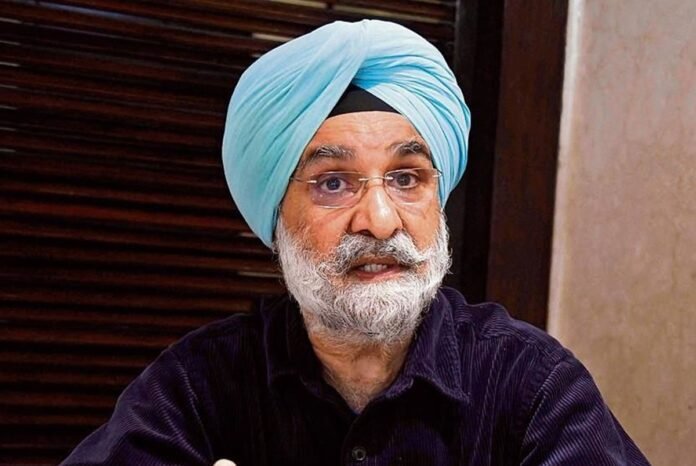
Expectedly, the party has fielded career diplomat and former Indian Ambassador to the US Taranjit Singh Sandhu, who recently joined the party after his retirement, from Amritsar, where he has very strong family roots, including in Sikh politics and in the educational sphere.
The saffron party has replaced ‘perpetual absentee’ actor Sunny Deol from Gurdaspur with former Deputy Speaker of the Vidhan Sabha and three-time BJP MLA from Sujanpur, Dinesh Singh ‘Babbu’, in Gurdaspur and shifted renowned Punjabi folk and Sufi singer Hans Raj Hans from North West Delhi to Faridkot (SC).
The other three are all sitting MPs and recent entrants into the party fold from other parties – Preneet Kaur (ex-Congress), former Union minister of State and four-time MP, from Patiala; three time MP Ravneet Singh ‘Bittu’ (ex-Congress) from Ludhiana; and Sushil Kumar ‘Rinku’ (ex-Aam Aadmi Party) from Jalandhar (SC).
These six were named in the 8th list of 11 candidates from Punjab, Odisha and West Bengal announced by the BJP for the 2024 Lok Sabha elections.
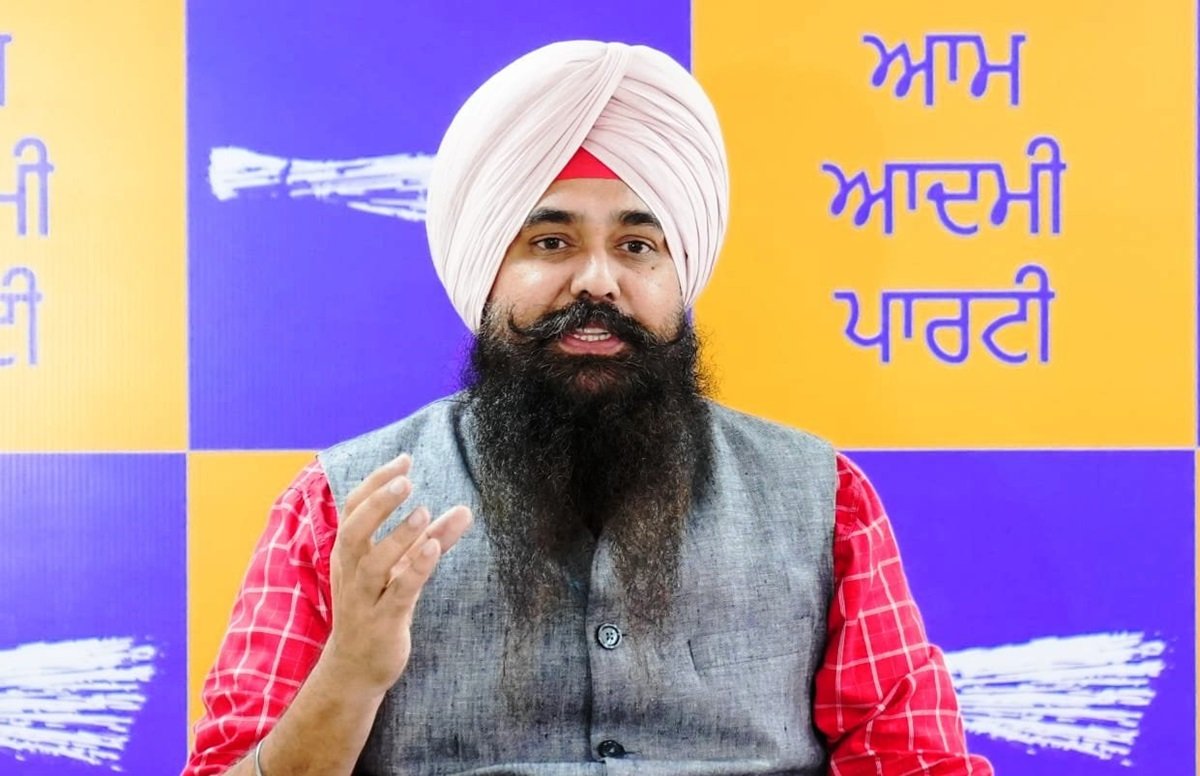
The ruling AAP is the only other party in the state to have announced candidates so far. They have fielded five existing members of the Bhagwant Mann council of ministers among the candidates named for eight of the 13 constituencies. Among the ministers, Kuldeep Singh Dhaliwal will contest from Amritsar, Laljit Singh Bhullar from Khadoor Sahib, Gurmeet Singh Khudian from Bathinda, Gurmeet Singh ‘Meet Hayer’ from Sangrur and Dr Balbir Singh from Patiala.
A former Congress MLA Gurpreet Singh ‘GP’ was named the party candidate from Fatehgarh Sahib (SC) a day after he joined AAP. Popular Punjabi singer, comedian and actor Karamjeet Anmol, understood to be a close friend of Chief Minister Bhagwant Mann, once himself a well known comedian, was inducted into the party and given the party ticket to contest from Faridkot (SC).
Sitting party MP from Jalandhar Sushil Kumar ‘Rinku’ was given the party ticket again from the same constituency, but he embarrassed the party by scooting to the BJP.
The SAD and the Congress are yet to name their candidates as they play the wait and watch game in a very fluid scenario of party-hopping.
Taranjit Singh Sandhu from Amritsar
61-year-old Taranjit Singh Sandhu, who recently retired from the India foreign service after putting in 35 years (his last posting being Indian Ambassador to the US), comes from an illustrious family of Amritsar. His grandfather, Teja Singh Samundari, who left the British Army to lead ‘morchas’ for the liberation of gurdwaras (Gurdwara Reform Movement), has a building in the Golden Temple complex dedicated to his memory, the Teja Singh Samundari Hall.
His father Bishan Singh Samundari remained principal of the famous Khalsa College, Amritsar, and was the first Vice Chancellor of Guru Nanak Dev University (GNDU) Amritsar. His mother Jagjit Kaur did a doctorate from the US and on returning to India become principal at Government College for Women, Amritsar.
Taranjit Singh Sandhu studied at The Lawrence School, Sanawar and graduated with History Honours from St. Stephens’ College, Delhi. He pursued a Master’s Degree in International Relations at the Jawaharlal Nehru University, New Delhi. He is married to another career diplomat Reenat Sandhu, who is currently India’s Ambassador to the Kingdom of the Netherlands. They have two children.
Dinesh Singh ‘Babbu’ from Gurdaspur
 A former Deputy Speaker of the Punjab Legislative Assembly, ex-Chief Parliamentary Secretary and three-time MLA from Sujanpur constituency (2007-2022), Dinesh Singh ‘Babbu’ belongs to Manwal village, Pathankot and comes from a Suriyavanshi Rajput Barswal/Barsal family. In the last assembly elections in 2022, he lost to Naresh Puri of the Indian National Congress (INC).
Hans Raj Hans from Faridkot (SC)
Born in Shafipur village, near Jalandhar, renowned Punjabi folk and Sufi singer, Hans Raj Hans (Padma Shri), has been moved from North West Delhi seat, which he won as a BJP candidate in 2019, to Faridkot (SC).
An interesting contest is on the cards here since the ruling party in Punjab, Aam Aadmi Party (AAP) has already fielded another popular Punjab singer, comedian and actor Karamjeet Anmol, though much junior to Hans. Anmol’s maternal uncle Kuldeep Manak is also a highly respected Punjabi folk singer.
Hans Raj Hans, who started his innings in politics after joining the SAD, later moved to the Congress before crossing over to the BJP, as whose candidate he won the North West Delhi Parliamentary seat in his first attempt.
Faridkot is home to the famous Tilla Baba Farid, believed to be the resting place of the revered Sufi saint Baba Farid during his visit to the area nine centuries ago. The popular Baba Farid Mela is organised there in the memory of the great Sufi saint in which Hans has been a regular participant and visitor.
Preneet Kaur from Patiala
Preneet Kaur, wife of two-time chief minister of Punjab as also state Congress president Capt Amarinder Singh, remained Union minister of state in the Manmohan Singh council of ministers during his second term as Prime Minister. Besides being the sitting MP from Patiala, she has represented the constituency thrice before in 1999, 2004 and 2009 as a Congress candidate. After losing the elections in 2014, she made a comeback in 2019.
She was suspended by the Congress in 2023 for supporting her husband who quit the Congress after being removed as chief minister and formed his own party which eventually merged into the BJP. She recently quit the Congress and joined the BJP.
Ravneet Singh Bittu from Ludhiana
Grandson of assassinated Punjab Chief Minister Beant Singh during terrorism in Punjab, Ravneet Singh ‘Bittu’, besides being the sitting MP from Ludhiana, has been MP twice earlier – first from Anandpur Sahib and then Ludhiana. He too recently quit the Congress and joined the BJP.
Sushil Kumar Rinku from Jalandhar
A former Congress MLA from Jalandhar West, Sushil Kumar ‘Rinku’ was lured into the AAP fold and fielded as the party candidate in the by polls to the Jalandhar (SC) Lok Sabha seat, necessitated by the death of Congress MP Santosh Singh Chaudhary, which he won by a margin of 58,000+ votes in 2023. Despite getting a repeat party ticket from the same constituency, ‘Rinku’ preferred to shift his allegiance to the BJP within a year of joining AAP, and was promptly adopted as the party candidate from Jalandhar (SC).
.

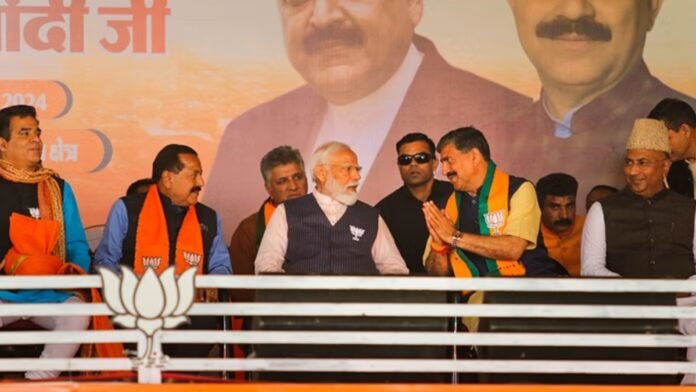
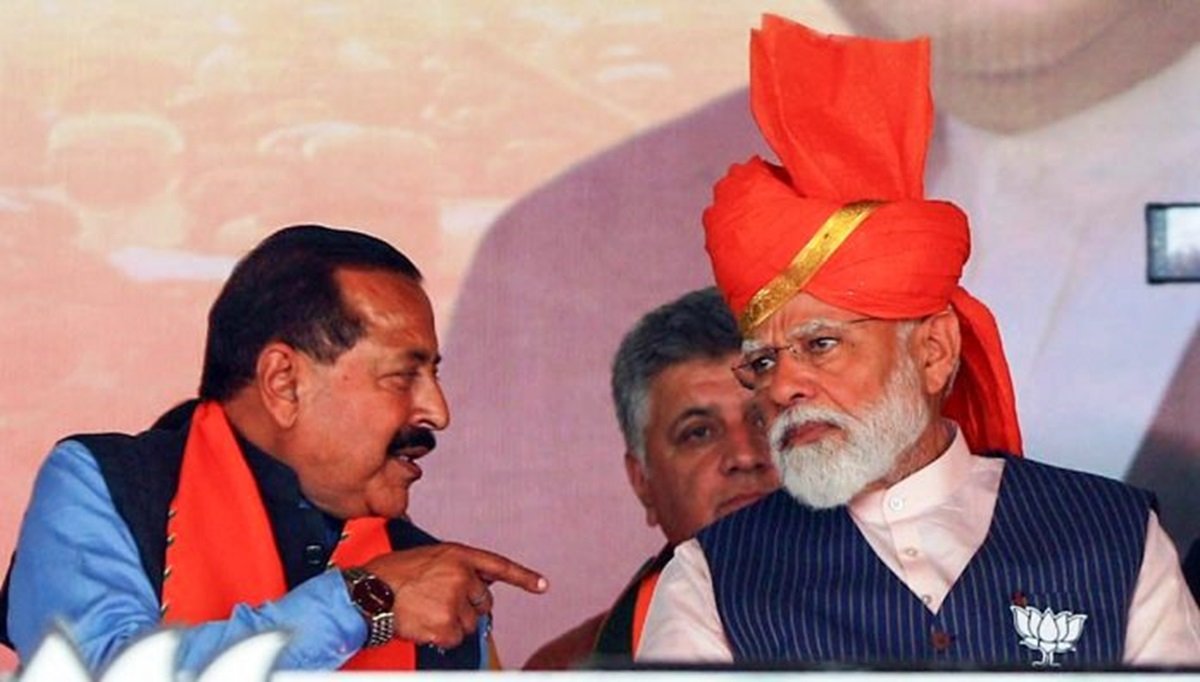
 The Prime Minister asserted that the people of the state, and the youth especially, have proved them wrong. With the demolition of the wall that Article 370 was, which for six decades differentiated Jammu and Kashmir from the rest of the country, all sections of the people in the state are now happily benefitting from their rights enshrined in the Constitution of India. The state has since then witnessed a transformational change with the return of peace and tranquility and the engine of development reaching to all parts of the territory.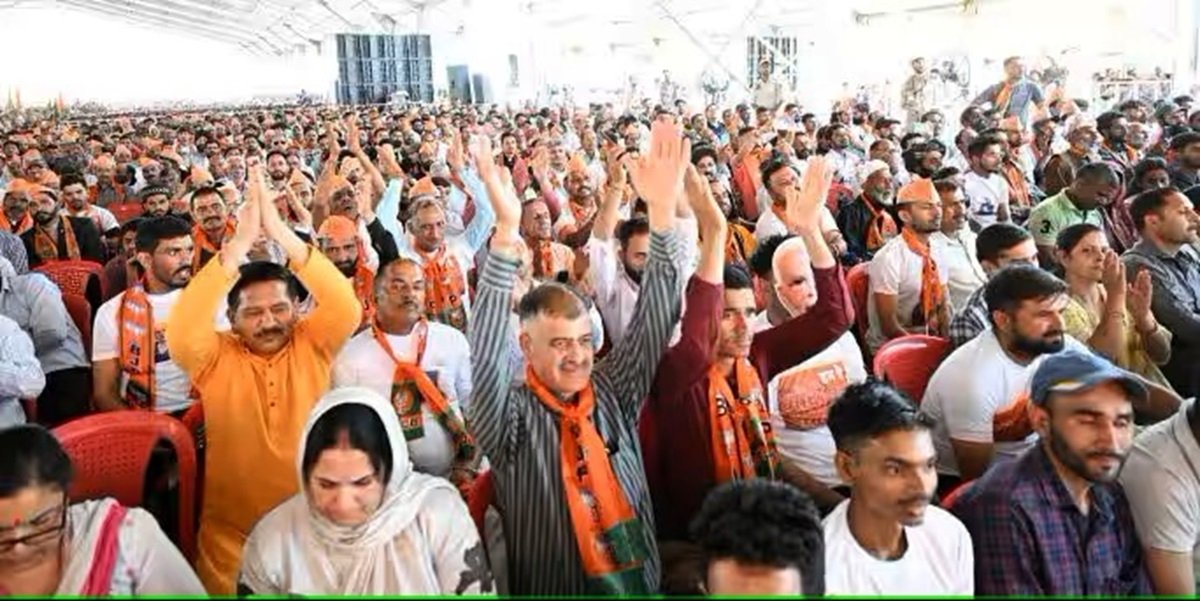
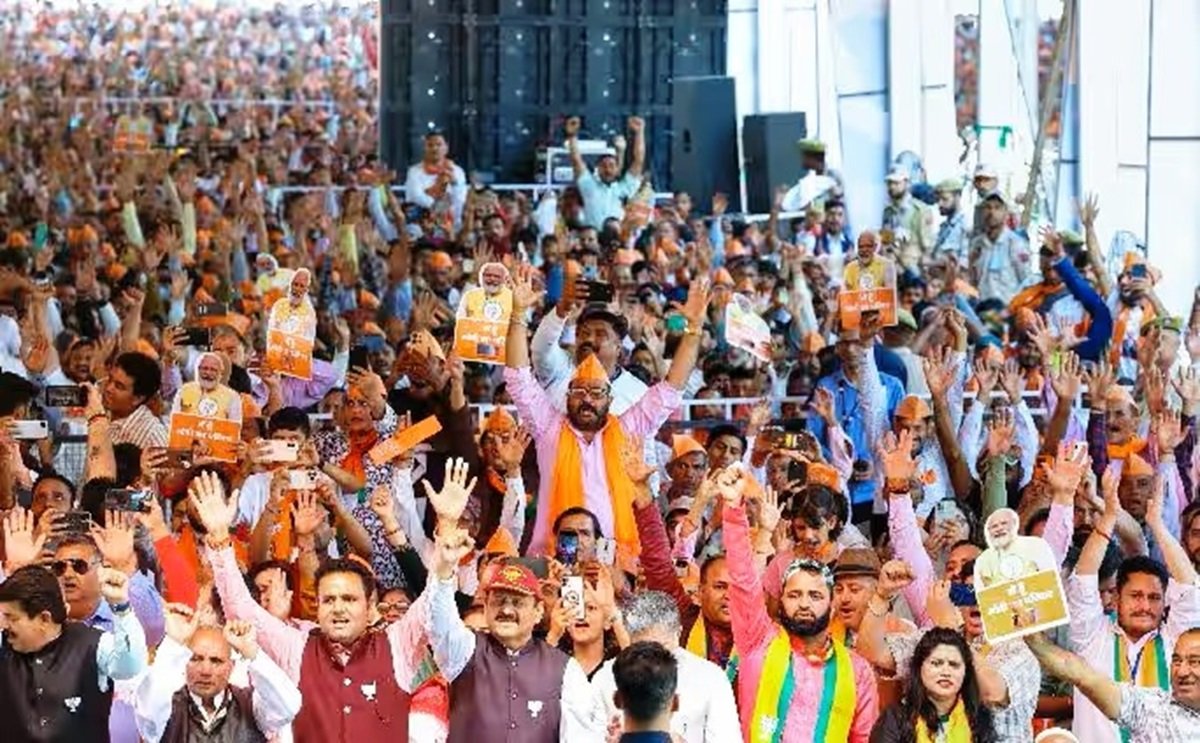 Modi reminded the gathering that successive “weak” Congress governments at the Centre had been keeping the construction of the Shahpur Kandi dam project on the Ravi river on the J&K-Punjab border pending, allowing the excess waters of the river flow wastefully into Pakistan. By completing the dam his government has ensured that thousands of farmers in the Kathua and Samba areas will be benefitted by irrigation facilities accruing from the dam, besides providing additional electricity to the territory.
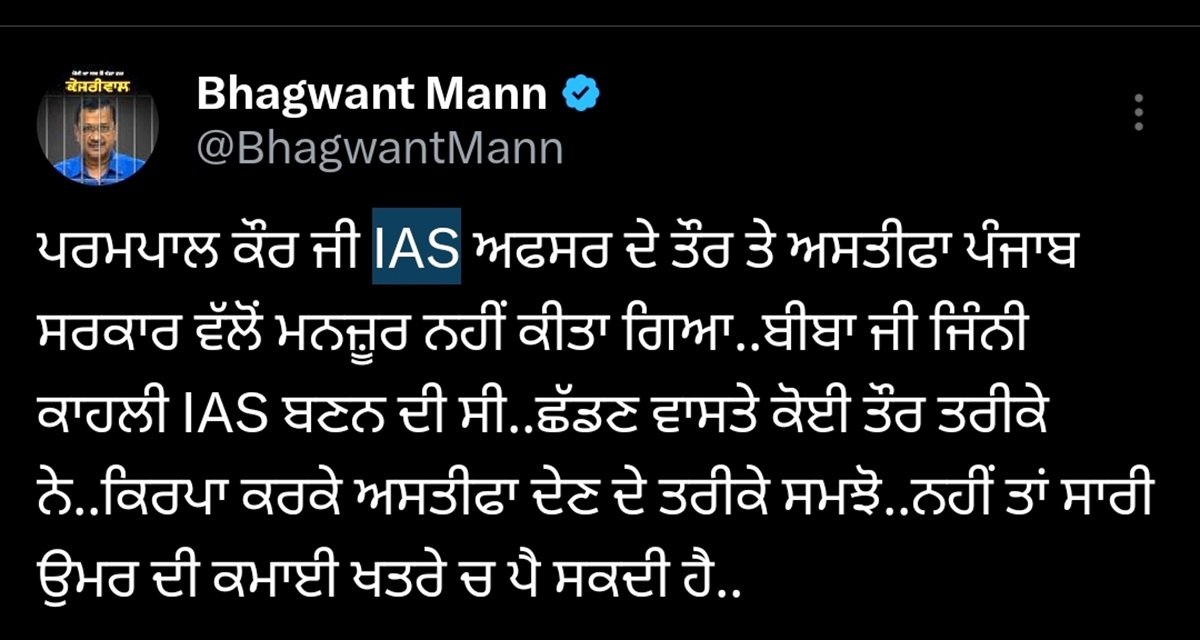 He took to ‘X’ and strangely posted on his personal handle informing that “Parampal Kaur’s resignation as IAS officer has not been accepted by the Punjab government.” Literally mocking her he said “the way you were in a hurry to become IAS .. there are certain procedures for leaving it .. please understand the way to submit the resignation .. lest all the life’s earnings get into peril..”
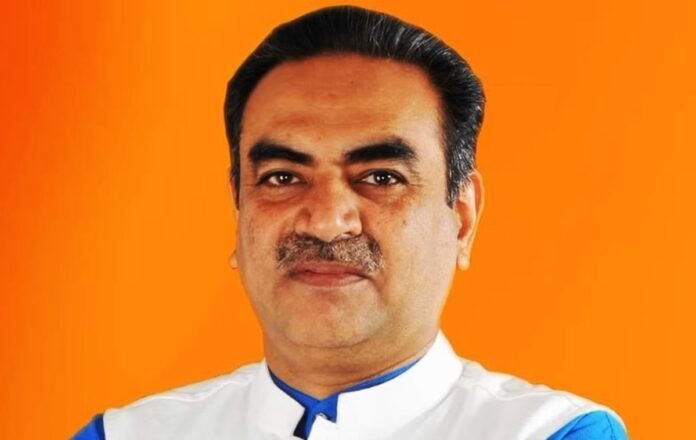
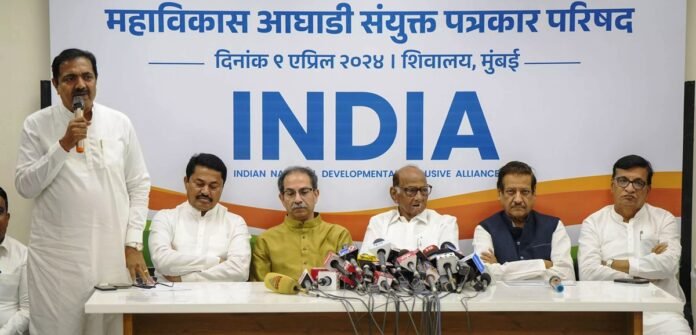
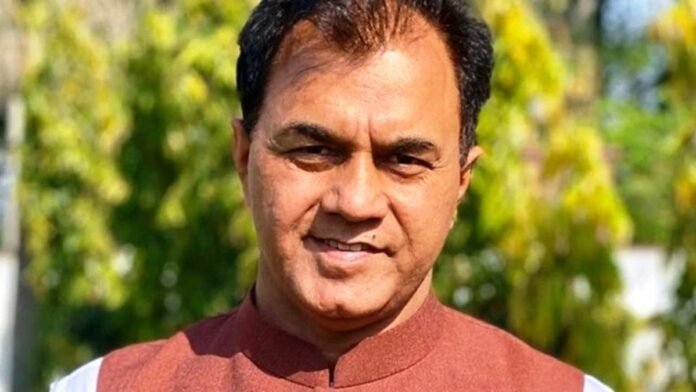
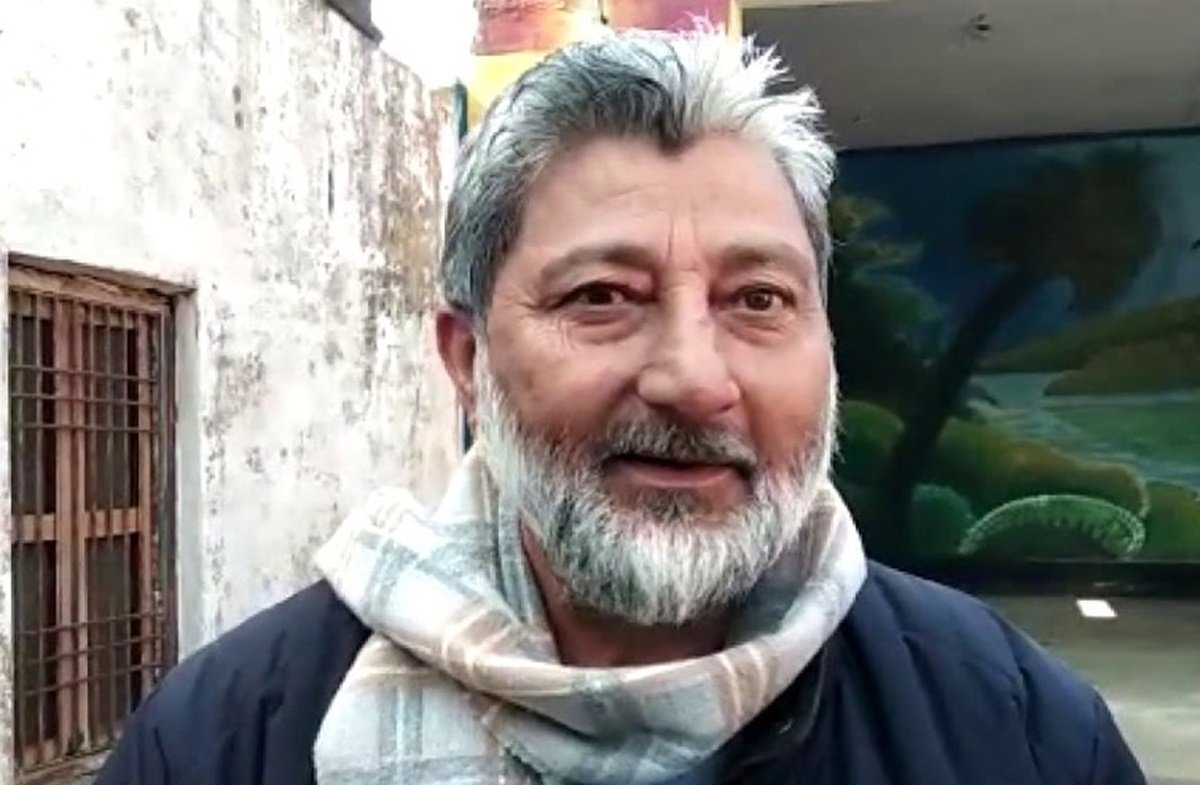 A former Deputy Speaker of the Punjab Legislative Assembly, ex-Chief Parliamentary Secretary and three-time MLA from Sujanpur constituency (2007-2022), Dinesh Singh ‘Babbu’ belongs to Manwal village, Pathankot and comes from a Suriyavanshi Rajput Barswal/Barsal family. In the last assembly elections in 2022, he lost to Naresh Puri of the Indian National Congress (INC).
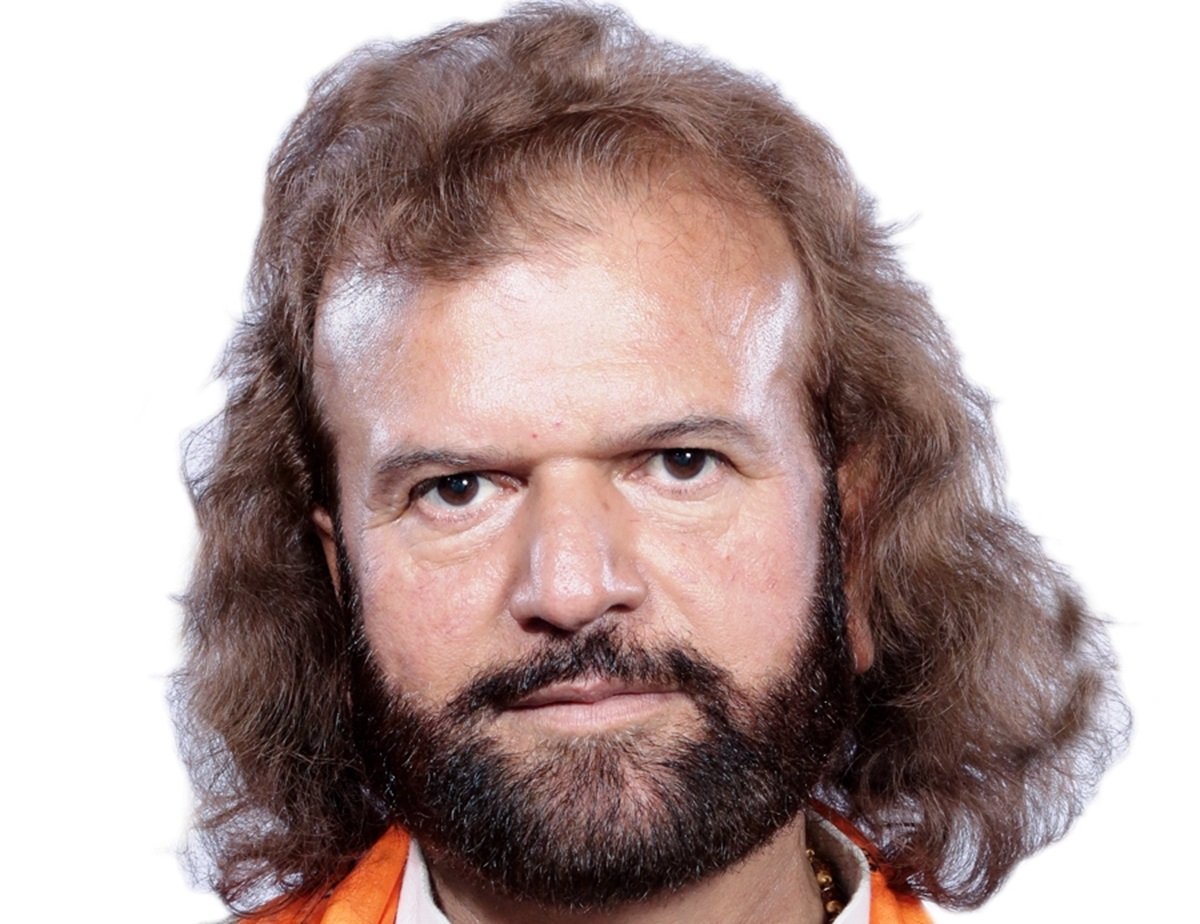 Born in Shafipur village, near Jalandhar, renowned Punjabi folk and Sufi singer, Hans Raj Hans (Padma Shri), has been moved from North West Delhi seat, which he won as a BJP candidate in 2019, to Faridkot (SC).
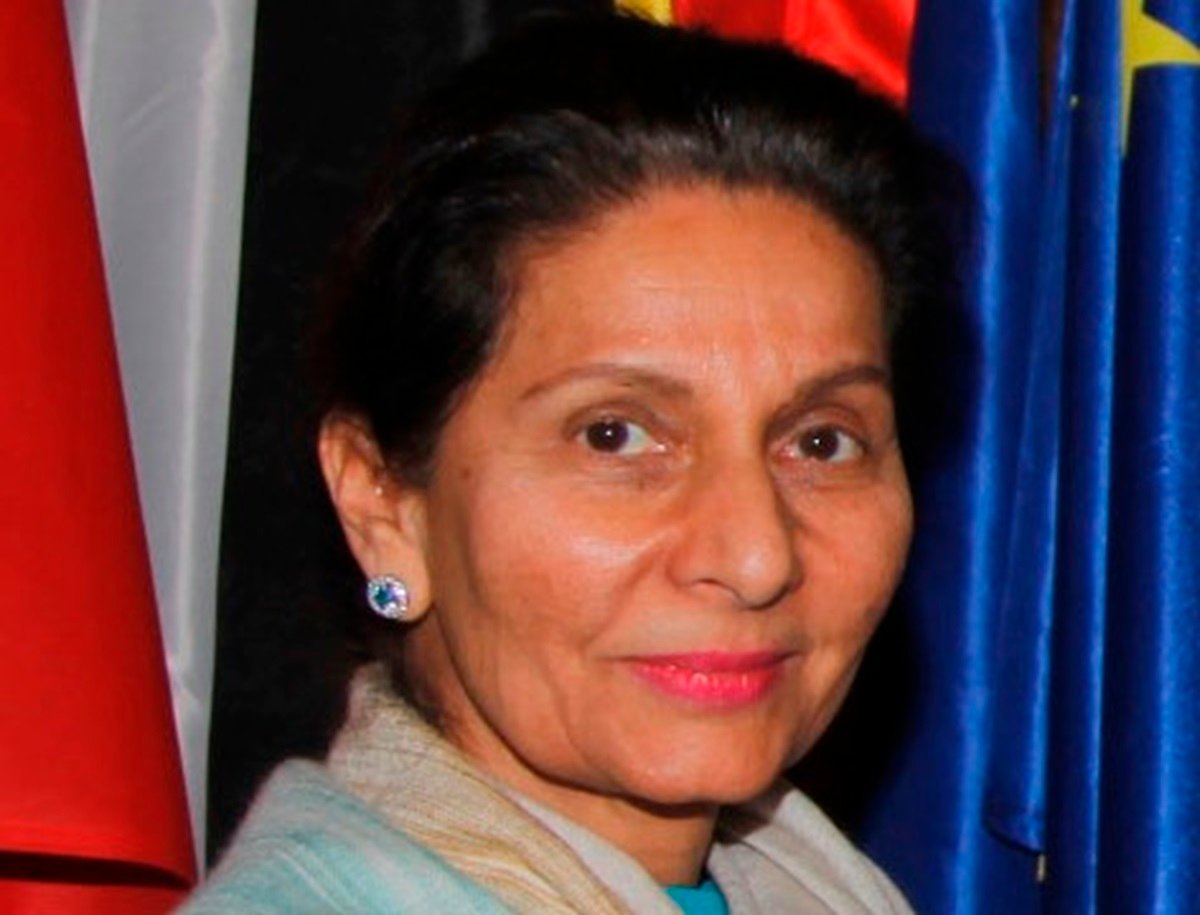 Preneet Kaur, wife of two-time chief minister of Punjab as also state Congress president Capt Amarinder Singh, remained Union minister of state in the Manmohan Singh council of ministers during his second term as Prime Minister. Besides being the sitting MP from Patiala, she has represented the constituency thrice before in 1999, 2004 and 2009 as a Congress candidate. After losing the elections in 2014, she made a comeback in 2019.
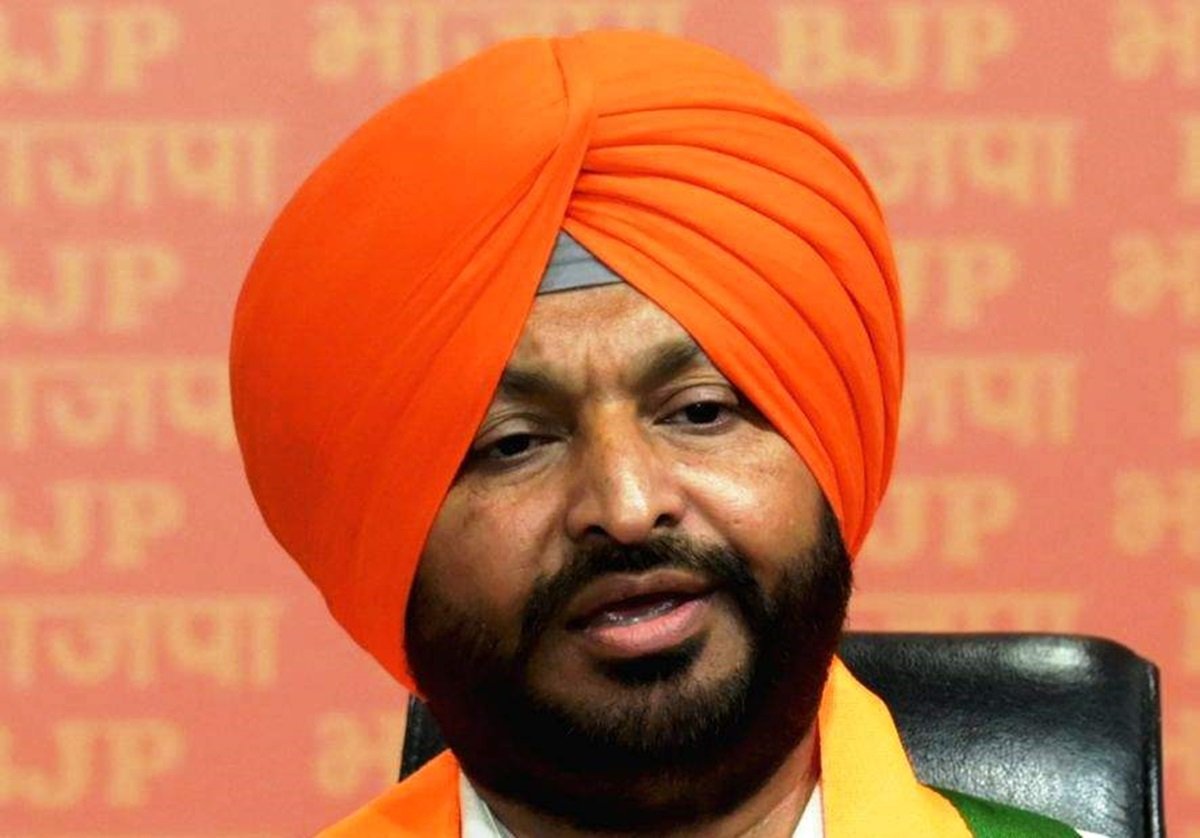 Grandson of assassinated Punjab Chief Minister Beant Singh during terrorism in Punjab, Ravneet Singh ‘Bittu’, besides being the sitting MP from Ludhiana, has been MP twice earlier – first from Anandpur Sahib and then Ludhiana. He too recently quit the Congress and joined the BJP.
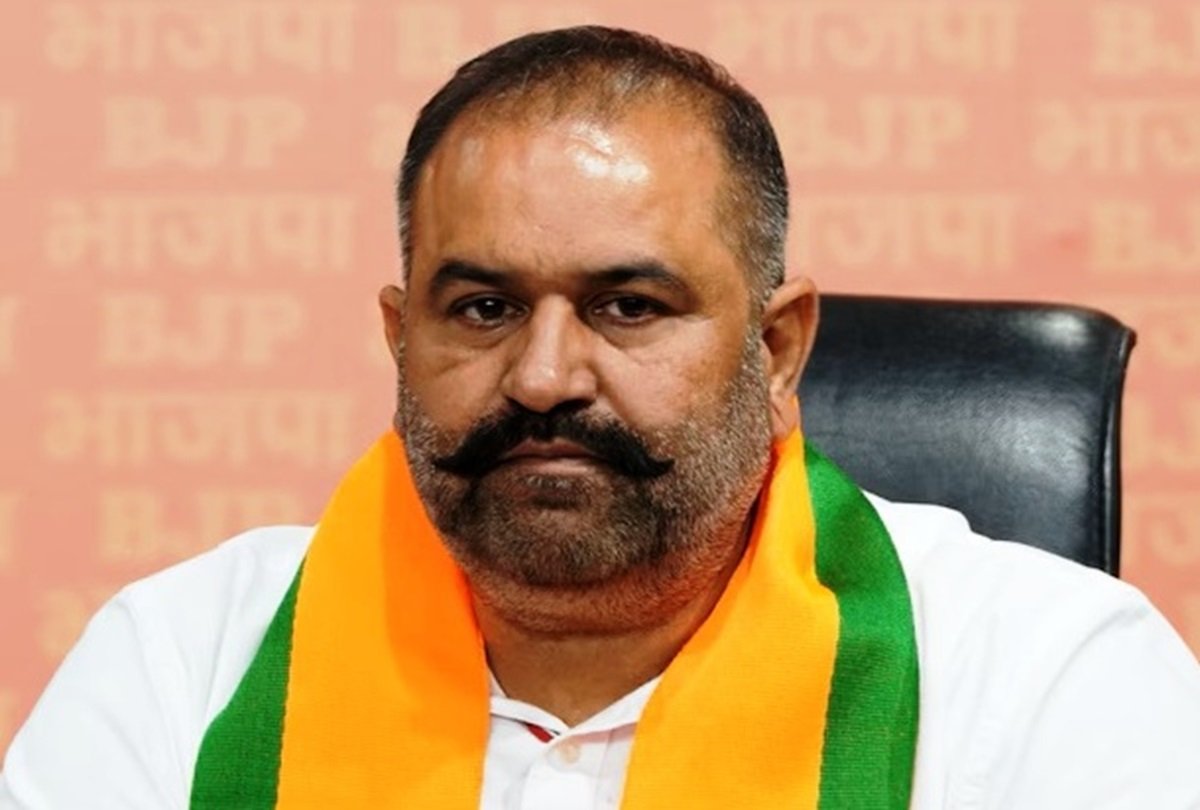 A former Congress MLA from Jalandhar West, Sushil Kumar ‘Rinku’ was lured into the AAP fold and fielded as the party candidate in the by polls to the Jalandhar (SC) Lok Sabha seat, necessitated by the death of Congress MP Santosh Singh Chaudhary, which he won by a margin of 58,000+ votes in 2023. Despite getting a repeat party ticket from the same constituency, ‘Rinku’ preferred to shift his allegiance to the BJP within a year of joining AAP, and was promptly adopted as the party candidate from Jalandhar (SC).