

Series comes with highest energy efficiency & smart climate control
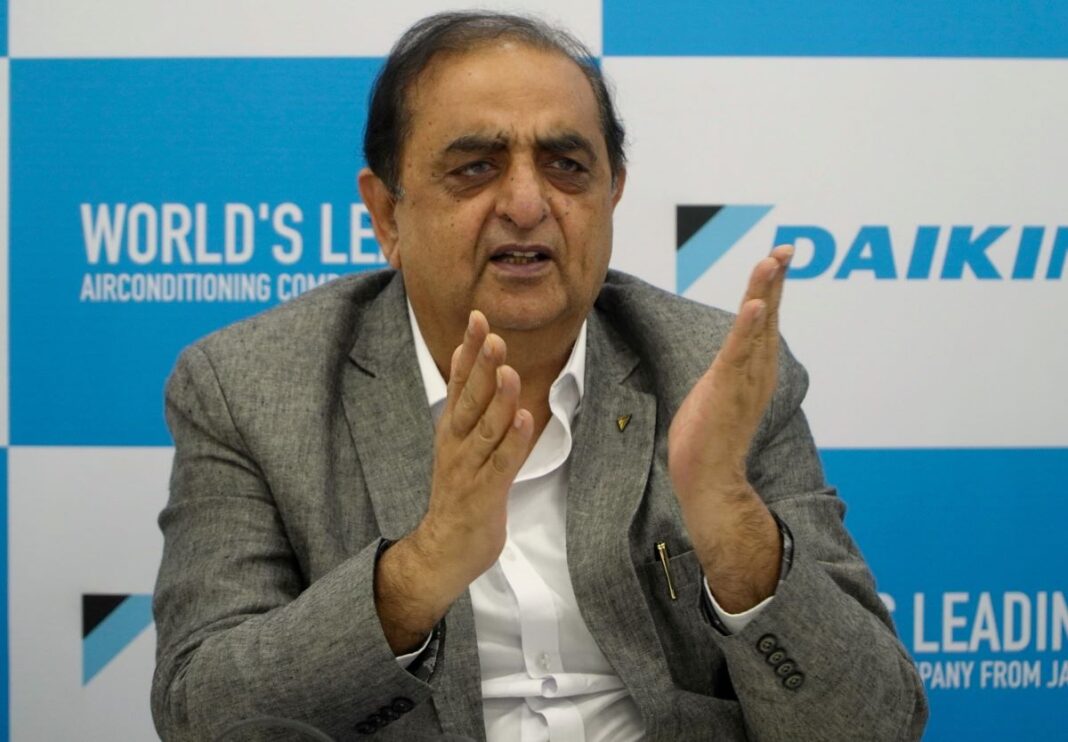
Daikin India Chairman & MD Kanwaljeet Jawa asserts that the 2026 range has been precision-engineered to exceed the Bureau of Energy Efficiency’s (BEE’s) stringent new ISEER energy efficiency thresholds
Inspired by the success of a voluntary campaign launched by Japan’s Ministry of Environment, encouraging offices, public buildings, and homes to set ACs at 28°C to save energy and fight climate change, the Ministry of Power and the Bureau of Energy Efficiency (BEE) in India a few years ago mandated manufacturers to make 24°C the default setting for all new star-labelled room air conditioners. And yet, most users prefer to set the AC temperature much lower at between 18-21 degrees Celsius, which is considered both energy inefficient and unhealthy.
Sharing this information in an exclusive conversation with your own news portal LifeInChandigarh.com after formally launching Daikin’s all new 2026 product line-up, claiming to mark a significant leap in energy efficiency and smart climate control, Daikin India Chairman & MD Kanwaljeet Jawa said the industry body in India RAMA (Refrigeration and Air-Conditioning Manufacturers Association) has been aggressively pursuing with the government to take more forceful steps in this direction.
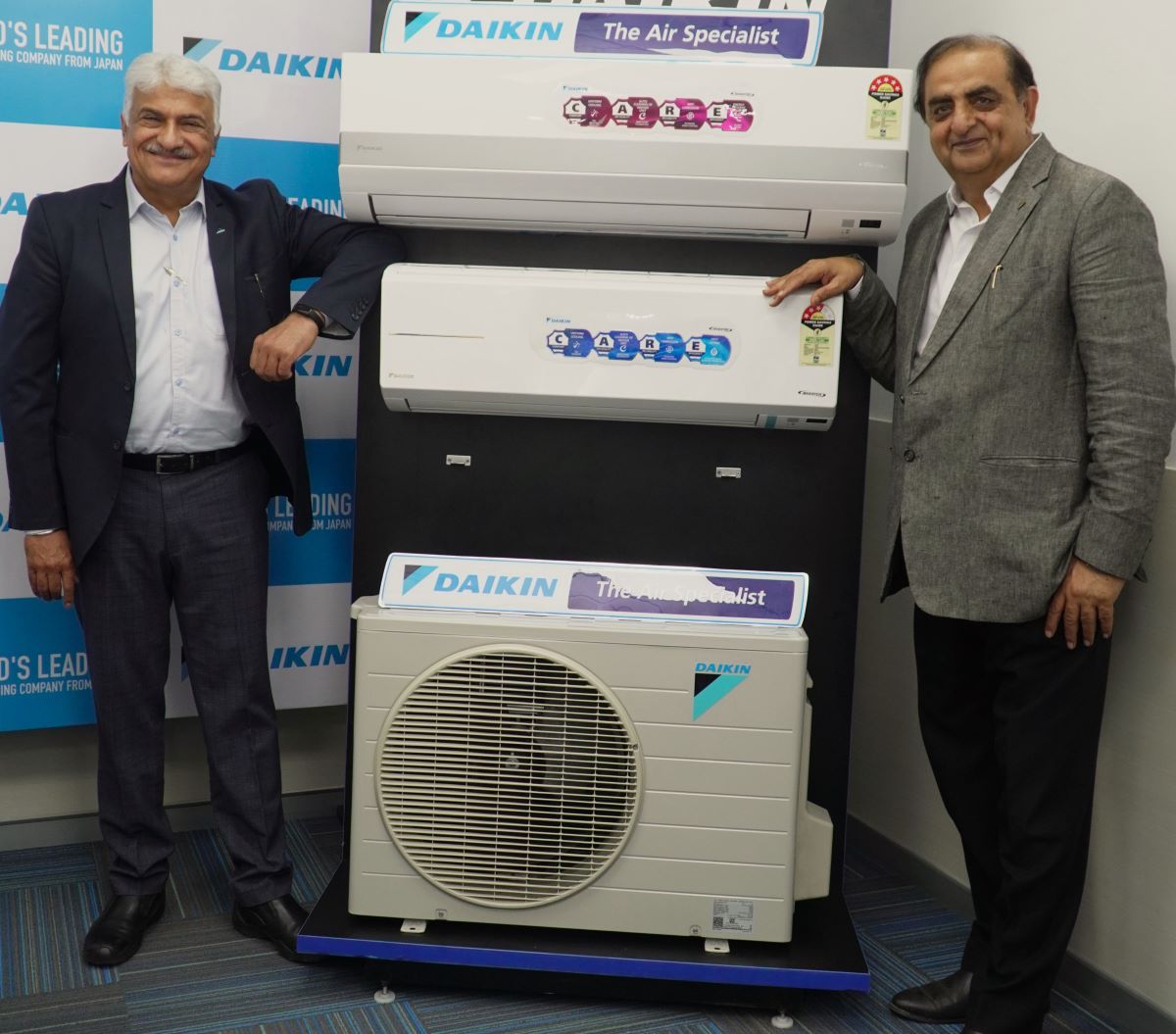
The new range includes a completely revamped series of room air conditioners, which exceed the latest BEE 2026 Star Rating standards, and the pioneering VRV Alpha series, which integrates advanced AI and IoT capabilities into Daikin’s patented VRV technology.
Observing that despite a marked increase in the last 15 years in the percentage of Indian households which use ACs from 4% to 7%, Jawa said the penetration lags far behind some of the other countries with similar level of development and is incomparable with some of the advanced countries.
But Jawa was quick to add that the projections for the future are encouraging. The industry has targeted to double the penetration from 7% to 15% in the next five years (by 2030) provided the government offers some production related incentives to it, he informed.
Advertisement

Quoting a report by the International Energy Agency (IEA), he said by 2050, around 2/3 of the world’s households could have an air conditioner. China, India and Indonesia will together account for half of the total number.
Among the factors fuelling the surging demand for room air conditioners are rising temperatures, more affordability due to energy efficiency and easy financing, rapid urbanization and increasing disposable incomes.
Having made a large investment to set up its third and largest manufacturing plant in the country at Sri City, Andhra Pradesh (after the two existing ones in Neemrana, Rajasthan), Daikin has made India its leading manufacturing hub, which apart from catering to the rapidly growing domestic market is exporting products to 54 countries in Africa. With this facility Daikin India has massively ramped up its production from 1.5 million domestic air conditioning units to 2.3 million units, with a target to further raise it to 3 million.
Daikin India has also invested heavily in skill development in the country with the flagship Daikin Japanese Institute of Manufacturing Excellence (DJIME) in Neemrana, Rajasthan (where a hostel has also recently been added) and 40+ Centres of Excellence opened in leading educational institutions, including ITIs and engineering colleges, having already trained 1.5 lakh students in advanced manufacturing and targeting to reach the 2.2 lakh mark.