Home Blog Page 86

8 Things We Love About Sector 8 Inner Market

0

From some of the most popular takeaway eateries, multiple shopping options to things for daily needs, this market packs in a lot

There are many parts of the city, more like certain sections in a sector, which have come to be recognised for a particular thing over the years. For example, much before the sale of liquor ban near highways came into force, Sector 26 was the most popular place to head out for a meal. It was the fine-dining street of the city.

PHOTOS BY: SUMIT KUMAR

When it comes to takeaway food and the concept of ‘park and eat in the car’, especially in the evenings, the inner market of Sector 8 ranks very high on the popularity charts. Over the last decade, this once-lazy part of town has evolved into a fun market with many interesting things to pick and choose from. While we are amply sure you have your own list of likes and dislikes too for this market, here are eight things we have come to love, with a handful of not-so-lovely things too. Read on. 
 

rn

 
1. The Takeaway Destination: Ok, we love the fact that no matter what food cravings you have, you will find something sumptuous to dig into here. Sugar cravings are well satiated here with the multiple options at hand – be it at Baskin Robbins, Get Desserted, Super Donuts or at Uncle Jack’s. Those who have grown up digging into doner kebabs at Goldie’s Roost or relishing a buttery keema naan at Pik n Move, will agree that Sector 8 market can be credited for the takeaway trend and the fact that it is absolutely okay for the car to smell of food after a ‘geri’ here. While they have been new entrants here, the latest to make their presence felt is Fraiche for its healthy drink menu, Keventers for its lip-smacking shakes, Uncle Jack’s for its American meals and of course Burgrill for some unique takes on the good ol’ burger. Even though space is a squeeze here, Domino’s, Cafe Coffee Day and Subway have also found their way in. 
 
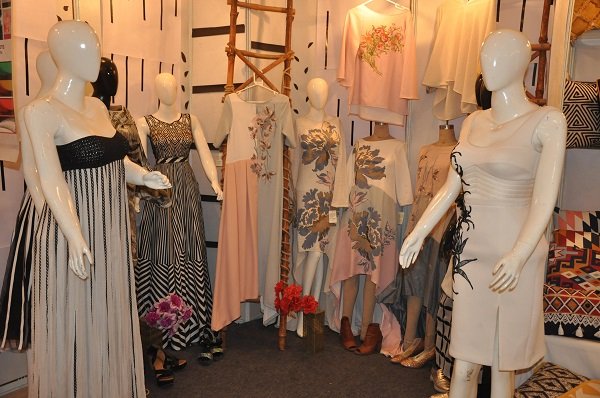
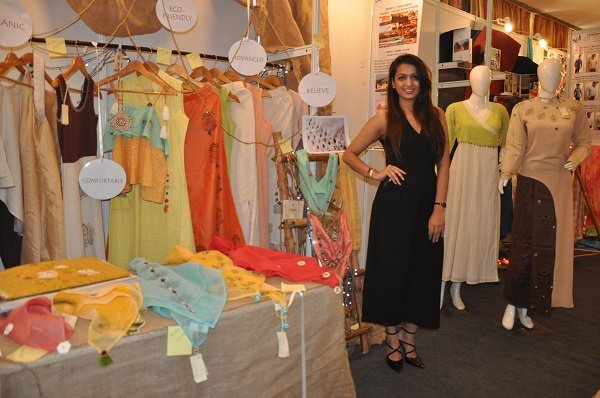
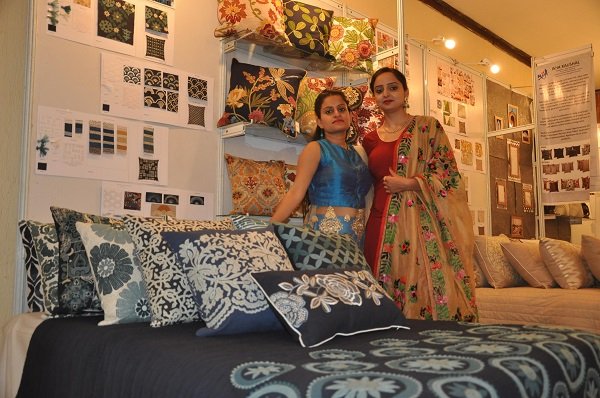
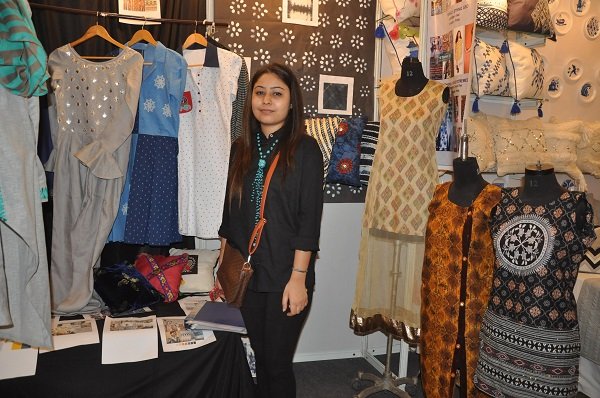
2.  Ethnic Chic: In this mix of food eateries, it comes as a bit of a surprise that some clothing labels have made Sector 8 inner market the go-to place for stylish and contemporary Indian wear. Suvasa, the block print specialists have a growing fan base in the city, along with fashion designer Sohni Makkar’s studio and of course, the fabric specialist – Kalakriti. So popular is the latter than on a work trip to Delhi some months ago, I was surprised to find a Gurgaon-based colleague make me promise to her that I would take her to Kalakriti on her next visit. ‘I believe generations have shopped there for all their salwar-suits’ my colleague had gushed. The retail space in the inner market is precious and there’s a Ritu Kumar store here as well.
 

rn

 
3. Room for jewellery too: It maybe a small market but it has been able to etch out an identity for jewellery too. And you can get both precious and semi-precious jewellery here. For silver, Subhash Jewellers has become a popular destination while Anaha Jewellery Studio is known for their polki designs and even those studded with gemstones. There’s K & A Jewels for quick buys too in silver and fashion jewellery.
 
4. Baking Point: One of the first bakeries to give Sector 8 market an identity is Monica Sood when she opened her quaint bakery ‘Monica’s’ many, many years ago. The bakery is well recognised and dishes out some really good cakes and recently a selection of breads too. It has been one of the most consistent in quality. Also making a mark for itself is Sweet & Petite, housed on the corner. It’s the perfect place to catch a quick coffee while savouring a quiche or cupcake, depending what your mood might be. Right behind is Sweet Nothings that also rolls out cakes and desserts but we love their selection of dry cakes (read minus the icing) especially the banana walnut cake. The market also houses Cakes ‘n’ Stuff on the other end of the market. 
 
5. On the geri route: This is one market that figures on the famed geri-route. Yes, that’s actually an activity here in Chandigarh, fuel prices and global warming be damned. Relatively quieter by day, this market is buzzing in the evening with most young men and women whizzing past each other in swanky cars. We are yet to hear a successful love story though that came out of this habitual gazing.
 

rn

 
6.  Daily needs: The main purpose of the inner markets is to meet the daily needs of the sector residents. So does it match up? Yes, there are few departmental and even well-stocked stationery stores, chemists, a dry cleaner and a cobbler sandwiched between the fancy eating joints.
 
7. The golgappa-wallah: If you haven’t eaten the gol-gappas of Sector 8, you have certainly missed something. He is quite elusive thanks to the cops on duty in the evening. You will either find him near the park or in one of the streets near the residential areas. But he does a pretty good job at the snack.
 
8. The Post Office, a Photo Studio and more…: Making it a complete market of sorts, Sector 8 inner market also houses a post office and one of the oldest photo studio, Shanti Studio. And right across are the community centre and the dispensary. Told you, it packs in a lot.
 
Some dislikes:
 

rn

    rn

  • Parking is an issue. Even though there’s now a more disciplined system of entry and exit, still finding a place to park in the evening is never easy
     
  • rn

  • While the cars on geri make it a happening place, it can get rowdy.
     
  • rn

  • Despite best efforts, the food zone on the front is mostly dirty with littering and people throwing away used plates and glasses on the road. Really an eyesore.
  • rn

Dark Borders is a Treat for the Senses

0

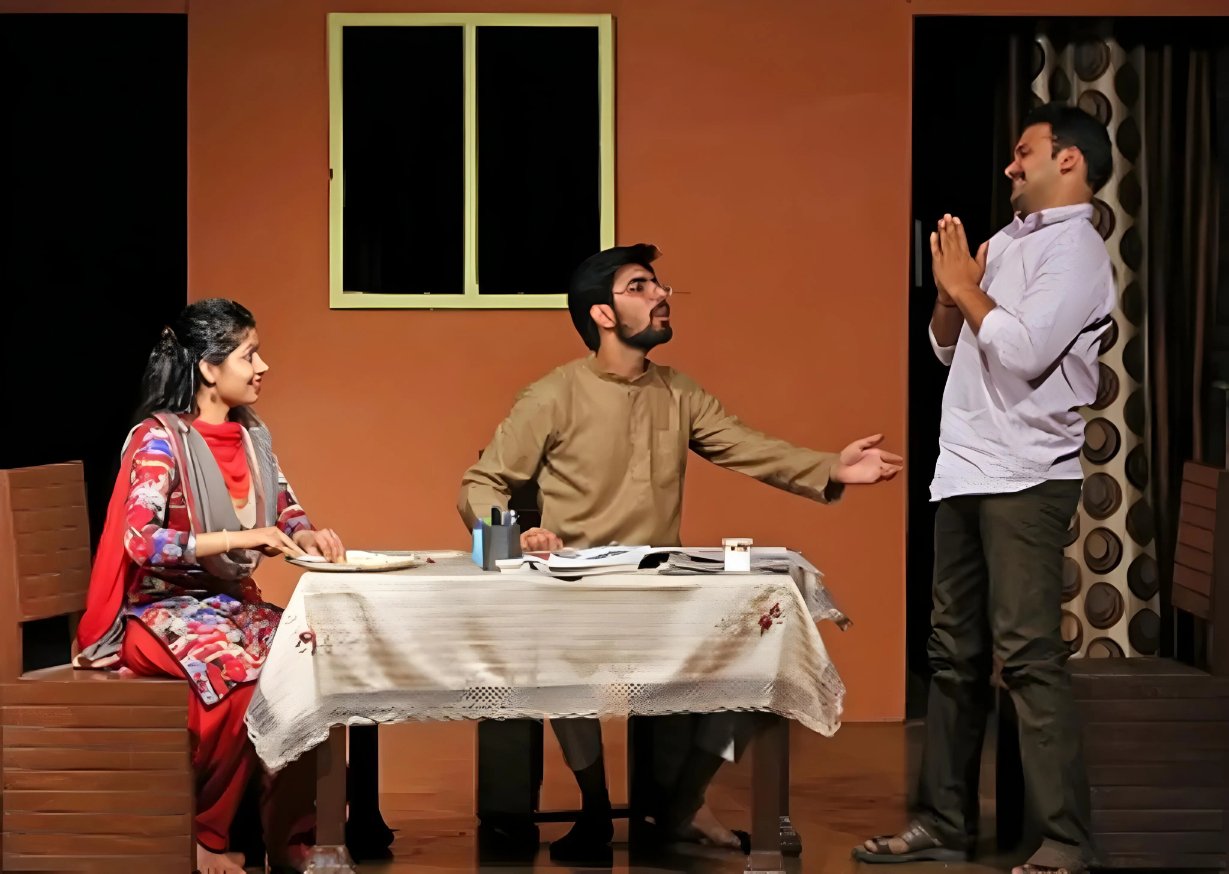
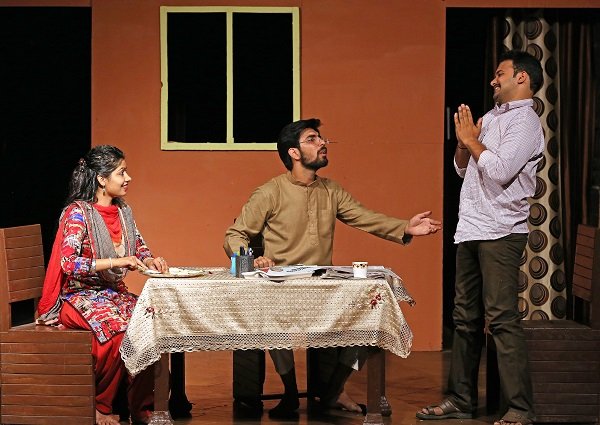
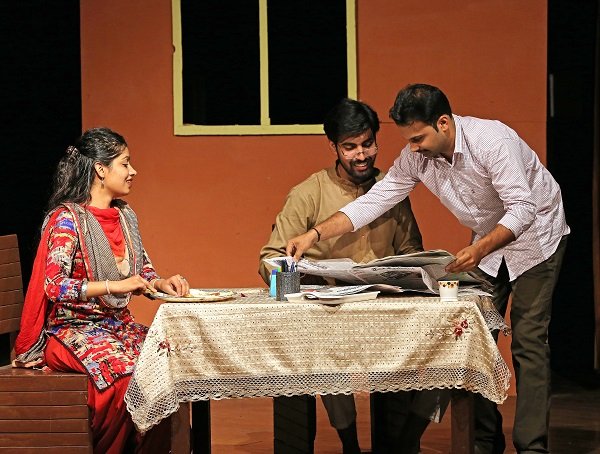
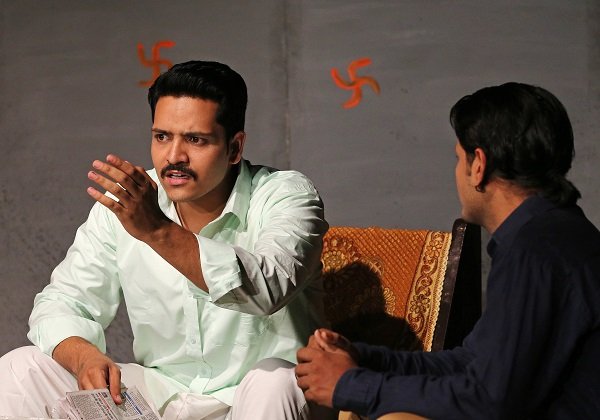
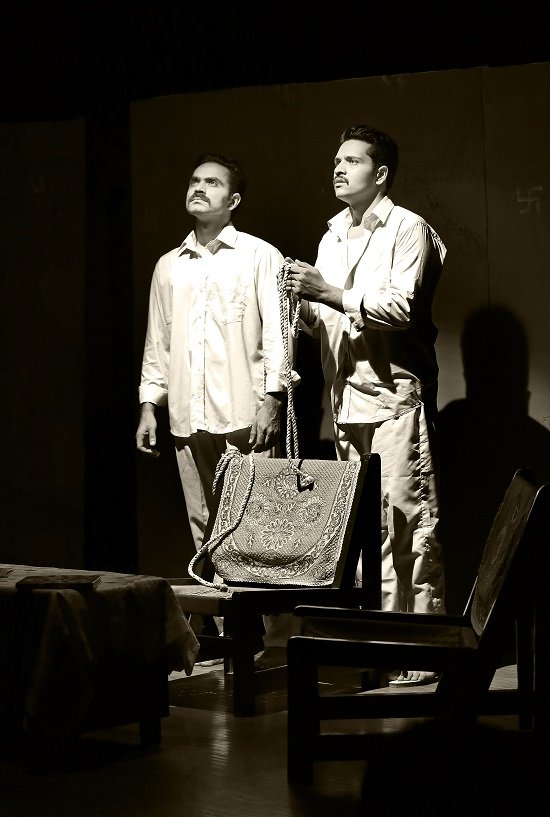
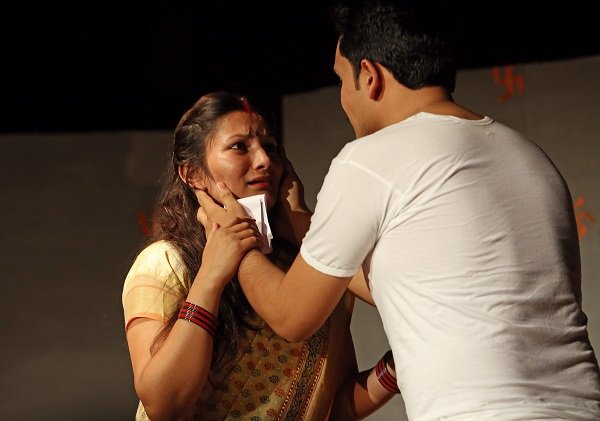
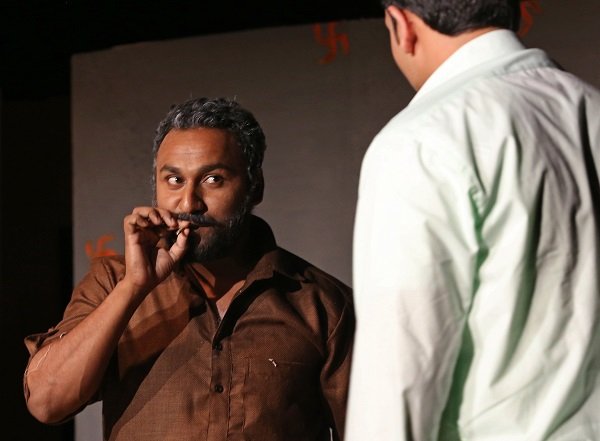
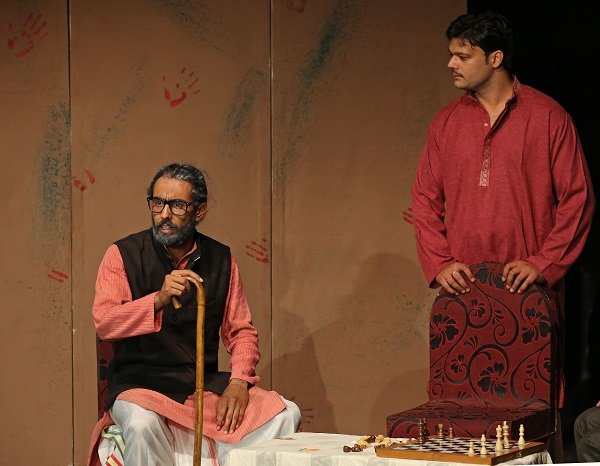
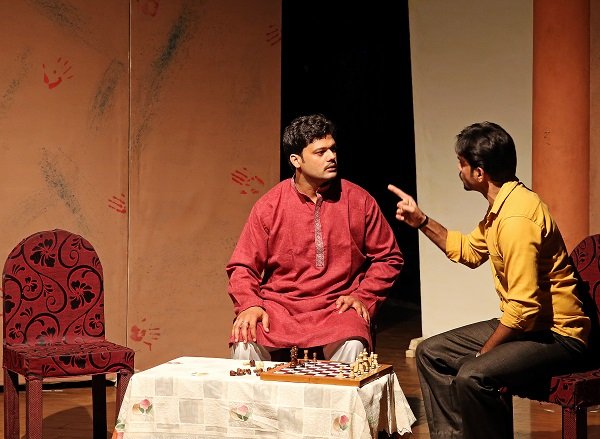
A visual showcase of scenes from 'Dark Borders', a play directed by Neelam Man Singh Chowdhry that opened on Friday evening at Rock Garden

‘Dark Borders’, presented by Department of Cultural Affairs, Chandigarh Administration and The Tagore Theatre Society, opened at the Rock Garden on Friday evening. Directed by noted thespian and Padma Shri recipient Neelam Man Singh Chowdhry, the play is based on the stories of acclaimed writer Saadat Hasan Manto. The play explores the devastation brought upon women and families during the time of migration, loss and devastation. It will staged every evening (7.30pm) till May 9 at Rock Garden. For more on the play and director, read here http://lifeinchandigarh.com/whats-on_neelam-man-singh-chowdhry-brings-manto-to-stage

Here are some moments from the play that is a treat for the senses.


PHOTOS BY: VIKRAM JOY


The Black Lotus Blooms Again

0

Taj Chandigarh's Chinese fine-dining restaurant reopens after a makeover

When it first launched a few years ago, Black Lotus, the fine dining Chinese restaurant housed in Taj Chandigarh became the go-to place to satiate all your Chinese food cravings. The menu was simple but authentic. But it became all-too familiar with flavours getting muddled with ‘local demands’. Having said that, the food festivals organised here were always looked forward to as they gave foodies a chance to savour lesser known fare culled from different regions of China.

PHOTOS BY: SUMIT KUMAR

A few months ago, Black Lotus took a breather and closed for a makeover. Well, the doors opened last week and the lotus has bloomed again. Walk in and you realise in terms of layout not much has changed. The red and black theme remains and looks like the Black Lotus has taken on a golden sheen. The newly refurbished space includes a comfortable bar area and alfresco dining. The most noticeable change from a design stand point are the large, three dimensional artworks created in metal that dot almost all the main walls. A modern interpretation of the lotus pond, they are arresting but a bit jarring to the eye. Nevertheless, the new space seems more open now and can take in, we are told, as many as 80 diners. The private dining room has been retained.

We are also informed of a change of hands in the kitchen with expat Chef Wang taking over from Chef Shi to come up with a menu that leans towards contemporary Chinese. It is most evident in the plating style. Some popular favourites from the old menu like crispy corn kernels, Peking duck and tiger prawn sesame chilli sauce have been retained with new additions culled from the Schezwan belt of China. Grills featuring almost all kinds of meats and sea food are now presented on a hot plate. There’s minimalistic use of sauces that brings out the flavours. Another interesting section that has been added to the menu is clay pots and the option to customise sauces to the guest’s liking. New entrants also include wontons and baozi. Dishes like stir fried lobster garlic pepper; Haricot beans with dry chilli in black bean sauce and steamed tofu on a bed of bok choy come highly recommended.

The desserts, usually a neglected section in Chinese menus, have been given a lot of attention in the new menu. Lemon grass crème brule, Clove triangle pineapple with chilli and coconut milk are among the new arrivals. The restaurant is now led by its manager Sumit Sharma and will be open from 1 pm to midnight, seven days a week. A meal for two will cost Rs 3,500.

He Proves to be Anmol™ Yet Again !!

0

He has a wide and deep base among the youth, but his appeal cuts across all nature of lawyers. He is Anmol Rattan Sidhu, who appears to have leant never to lose. He repeated his victory run for the umpteenth time on Friday, stamping his authority on the post of Punjab and Haryana Bar Association President for the 7th time.

The election was said to be keenly contested between him and his closest rival Partap Singh right through, and the victory margin was widely expected to be thin. But as the counting progressed through the hot summer day, after very heavy polling of over 85 percent of the 4500 odd voters on Thursday, the margin kept widening, negating the general impression of a close fight. Anmol  finally romped home with 2104 votes in his favour against Partap Singh’s 1490 votes. Principled warrior Tahar Singh again finished a distant third with just 188 votes, which was way below his showing last year when he had mustered an impressive 638 votes.

Anmol Rattan mobbed by his supporters after his victory

Photos By: Sumit Kumar

In elections to the other posts, Puneeta Sethi (1783 votes) defeated her nearest rival Ritam Aggarwal (855 votes) for Vice-president. Among all, Ravinder Sigh Randhawa polled the maximum number of votes (2446) to win the post of Honorary Secretary by defeating his nearest rival Narinder Singh Behgal (1116 votes). For post of Joint Secretary, Lovinder Kaur Brar (2217 votes) beat Neelam Devi Chaudhary (1492) votes. The post of Treasurer went to Gagandeep Jammu, who polled 1274 votes against his nearest rival Loveneet Thakur’s 914.

Talking to lifeinchandigarh.com Anmol credited his victory to the support of the youth and his highly impressive track record of work done for lawyer friends.


Partap Singh displays victory sign on polling day

Starting from the presidentship of the Students’ Union in Government College, Sector 11, Chandigarh way back in 1978-79, Anmol has never looked back. He went on to become President of the Students’ Council of Panjab University (PU) Chandigarh, member of both the PU Senate and Syndicate, Dean, Faculty of Law in PU, Chairman of the Bar Council of Punjab and Haryana, Additional Advocate of Haryana and Assistant Solicitor General of India.

Frenzied celebrations erupted as Anmol’s victory was announced, with his friends and supporters vying with each other to hug and congratulate him. He was profusely garlanded and taken in a victory procession. The day ended with a gala party at the Chandigarh Club in the evening.

Light and Breezy Summer Dressing

0

Chandigarh-based designer Jasmine Bains rolls out her spring-summer collection that makes a strong case for stylish minimalism

Summer is a scorcher in the city and the mere thought of dressing up in formal wear can make you break into a sweat. More often than not, formal wear here is associated with clothing that doesn’t shy away from embellishments or colour. But as Jasmine Bains points out in her new collection, it doesn’t have to be so.

The Chandigarh-based designer who made her official debut last year has made minimalism her mainstay. Focusing on fluidity of fabric and subtle embellishments, the designer’s collection last year brought in wispy gowns in chiffon with delicate hand embroidery on the yoke, tulle gilets, silk jumpsuits, toga style sari worn over pants.

Designer Jasmine Bains

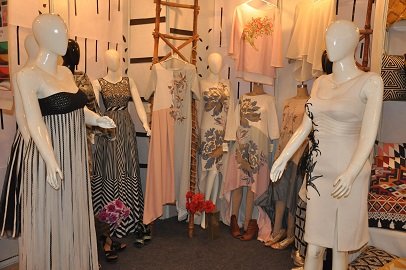
This summer, she takes her signature style forward with a capsule collection that builds on the same theme – less is more. Using her favourite fabric – silk georgette and silk organza, the designer has styled long dresses and suit sets with subtle embroideries, used more as accents.

While last season, she chose really light pastels, almost bordering on nude shades, this summer the designer has brought in a pop of colour. “I have worked with hues like butter yellow, lapis blue, hazelnut, sea green, ocean green, sandstone grey and primrose yellow,” informs Bains as we notice the free-flowing silhouettes.

Looking to reinterpret modern Indian couture in her own language, Bains has played around with contemporary silhouettes more than embellishments. It could well be defined as understated elegance. “I think the Chandigarh market is very accepting of this look. Not everyone is keen on over the top styling,” points out Bains who started off working as a banker in London before a stint with design house Chanel. She launched her own label when she returned to Chandigarh a couple of years ago. No surprise her first collection that was a sell out.

“Most of the dresses have a hint of embroideries as the collection celebrates colour,” informs Bains. Here too she chooses to make her own motifs rather than traditional designs. The primrose yellow cape in silk georgette with just a splash of sequinned flowers (or are they starfish?) on the front is a perfect example.

The collection is available online (www.jasminebains.in) and is priced between Rs 12,000 to Rs 23,000.

Neelam Man Singh Chowdhry Brings Manto to Stage

0

The works of Saadat Hasan Manto find relevance even today feels the acclaimed thespian from Chandigarh as she readies to present 'Dark Borders' with actors from Tagore Repertory Company over the next five days

For many years, celebrated theatre director from Chandigarh, Neelam Man Singh Chowdhry has, as she admits so herself, worked with scripts and stories that were complete – where there was the usual format of a beginning, middle and end. “It’s only in the last five-six years that I have been working on productions that didn’t have a set text or format. I have been approaching text as an open narrative, capable of being improvised, re-worked and re-imagined,” mentioned Chowdhry at the formal announcement of her new production that will be staged at the Rock Garden over the next five days. The venue comes as little surprise as the noted thespian has always found the amphitheatre here as most conducive to her style of work.

Photo By: Vikram Joy

The latest production is titled ‘Dark Borders’, presented by Department of Cultural Affairs, Chandigarh Administration and The Tagore Theatre Society. And as Chowdhry tells us, it is a “devised play” with stories of Saadat Hasan Manto. “For some years now I have been deeply engrossed in his works and find that it is to so relevant even today. I feel Manto was not just the greatest writer of the last century, but even this century. He looks at the realities, the hard truths of life and puts them out in the open. But even in his dark situations, humanity prevails. In this production, we have tried to explore the devastation brought upon women and families during the time of migration, loss and devastation,” informs Chowdhry.

With actors on board from the Tagore Repertory Company, work on the production started a few months ago. With no ready to script to work with, improvisation was key. “A few stories and improvisations was the starting point. It is not an easy approach as there is uncertainty. But within that uncertainty, you hope that possibilities can exist that can take you into unexpected terrains and that was a risk I was willing to take,” said Chowdhry.

Photo By: Vikram Joy

The play, as the director points out, brings in various stories of Manto, sometimes without any ostensible connection and at times the plot might seem fragmented. “This has been done deliberately to create ‘relief moments’ in the bleak landscape of people brutalized and marginalized by circumstances and extreme poverty,” Chowdhry explains.

The production will see 11 actors on stage and seven in the music box. With a duration of one hour and 15 minutes, the play will be staged for five evenings, starting May 5 (Friday). Children below the age of 14 years are not allowed.

What: ‘Dark Borders’ play
When: May 5 to 9
Where: Phase 1 amphitheatre, Rock Garden
Time: 7.30 pm
Entry: Free; seats available on first come, first serve basis

PGI Set to Become Bigger

0

The much awaited decongestion of the prestigious Post Graduate Institute of Medical Education and Research (PGIMER, or PGI in short) Chandigarh, which attracts between 8,000 and 11,00 patients accompanied by an equal number of attendants daily because of its high repute, may now just be a few years away.

Two years after being allotted 50 acres of land at Sarangpur village, 2 kms from the current campus, by the Chandigarh UT Administration for an extension project, the PGI authorities, in consultation with the senior faculty of the institute, has finally come up with a conceptual plan for the extension facility.

Photo By: Life in Chandigarh

PGI Director Prof Jagat Ram told a news conference on Thursday that after a detailed process of feedback from the faculty and heads of various departments, and deliberations held at the highest level on Wednesday, it has been decided to shift the Out-patient Departments (OPDs) to the new campus. It will also house the Trauma Centre, a Learning Resources Centre, where doctors from the entire region will be trained and provided advanced skill sets, and an independent Oncology (cancer care) speciality, which had so far been eluding the institute.

He said, the new campus, to be connected to the existing facility with the help of either a subway or skyway for uninterrupted movement, will prove to be a boon for the institute as it will act as a “filter”, so that only people referred from the new campus need come to the main campus. “Of course we need more such filters to decongest the PGI by way of strengthening the regional medical colleges and district hospitals in the states falling in the catchment area of the prestigious institute – Punjab, Haryana, Himachal Pradesh, Jammu and Kashmir, and parts of Uttarakhand, Uttar Pradesh, Rajasthan, etc,” he added.

Besides the OPD, the new campus is also proposed to have 200-bedded day care centre where patients needing admission can be housed for the day, and for return visits later. Construction of faculty offices will also be considered in the new campus, Prof Jagat Ram said.

PGI Deputy Director (Administration) Amitabh Avasthi, who was accompanying the Director, however clarified that the facility would not come up overnight. From conceptualisation stage to the drawing board, to various approvals, and sanction of funds by the Central Government there is always a gestation period of a few years and it could be expected in this case as well, he said, adding that the cost of creating infrastructure for OPDs alone could involve expenditure in the region of Rs 1,000 crore. Prof Jagat Ram was quick to assure that no time will be wasted to get on with the project.

The PGI Director said that the buildings vacated by the shifting of OPDs and the Trauma Centre would be suitably utilised to expand the Emergency and other services in the main campus. An Organ Transplant Centre, a Geriatric (elderly health care speciality) Centre, 6 more super speciality centres and more accommodation for faculty and staff were also part of PGI’s vision document for the future, he added.

Conversations On Writing Family Stories

0

The Chandigarh Storytelling Meetup is organizing an author interaction called 'Conversations On Writing Family Stories' with Lalita Iyer and Nirupama Dutt

If you've always wanted to document your family's many tales or write a memoir of that special relative, this one is for you. The Chandigarh Storytelling Meetup is organizing an author interaction called 'Conversations On Writing Family Stories' with Lalita Iyer and Nirupama Dutt.

Lalita Iyer is a Mumbai-based journalist, blogger and author of 'The Boy Who Swallowed A Nail And Other Stories', a hilarious collection of tales of her family's many adventures. Nirupama Dutt is a poet, journalist and translator, and a well-known face in Chandigarh. Lalita and Nirupama have both contributed to 'The Book Of Light', a collection of stories about living with someone with a mental illness or infirmity, edited by Jerry Pinto.

Anchored by Deeptha Vivekanand, storyteller and convener of the Chandigarh Storytelling Meetup, the chat will focus on the role of family stories in shaping identity and creating bonds, the need to record such stories, and the lessons one can learn from sharing them. A Question and Answer session with the audience will follow.

What: 'Conversations On Writing Family Stories' hosted by The Chandigarh Storytelling Meetup

When: May 7 (Sunday)

Where: The Rumour Mill cafe & kitchen, SCO 187, Inner Market, Sector 7, Chandigarh

Time: 11.30 am to 1 pm

Entry: A cover charge of Rs 150, redeemable on food and drinks

Documenting the City in Visuals

0

City-based photographer Ajay Bhatia pays homage to his hometown in his fourth photo exhibition on at Alliance Francaise

Being the daughter of an Army officer, I grew up in various cities of India, often shifting from one ‘station’ to another, every two to three years. Before I ‘settled’ in Chandigarh, more than a decade ago, the idea of living in the same city and the same house for more than three years sounded discomforting.

Photo By: Vikram Joy

So when Ajay Bhatia, a seasoned photographer in Chandigarh tells me he’s been living here for four decades and still finds the city refreshingly new, especially when he trains his camera on the familiar sights and places of Chandigarh, I am more than intrigued to view his work.

Bhatia’s latest exhibition of photographs (his fourth) titled ‘Remembrance of Time Past’ is currently on view at Alliance Francaise. In line with the theme of his previous works, this show celebrates Chandigarh, its architecture, nature and people.

“I feel documenting with a camera can play a role in the conservation of our architectural heritage. There is a vast body of textual work on the heritage of our country. I am not certain whether a similar body of work exists in a photographic form. Imagine viewing our heritage as a timeline of photographs joining the past with the present,” says Bhatia.

With interest in documenting the contemporary essence of modern cities and the traditional heritage of towns and villages of India, Chandigarh remains his muse. His first photography exhibition was titled ‘The Hidden Beauty of the City Beautiful’, held in 2013. In his next two exhibitions, ‘Straight Lines, Open Spaces’ and ‘Le Corbusier in India | The Play of Light’, the photographer presented different facets to the city and the work of its creator. In his latest, ‘Remembrance of Time Past’, he presents 25 photographs; six of which are in black and white.

“One can begin feeling jaded by viewing the same spectacle over and over again. Fortunately, Chandigarh has an abundance of architecture and nature offering endless possibilities for photography,” remarks Bhatia.

Photographing the pure geometrical harmony of Le Corbusier’s design, he admits, will always be a challenge. “After five years of exploration I have retained my initial enthusiasm and every journey to the Capitol Complex holds the promise of discovering something new,” he says.

Among the familiar sights in the current set of photographs (like the Open Hand and Gandhi Bhawan) is that of the grand old Peepal tree of Sukhna Lake. “When I migrated to Chandigarh in 1979, I spent many years under its shade reading books borrowed from the Central State Library. I have tried to photograph it in the past but I failed to capture its majesty and beauty. For the present exhibition I feel happy to include two photographs of the tree, which evokes many remembrances of the past,” says Bhatia.

So drop by at the exhibition and see if any of the photographs evoke a memory out of you too.

What: ‘‘Remembrance of Time Past’ photography exhibition

Where: Alliance Francaise, Sector 36, Chandigarh

When: May 4 to May 15

Time: Monday to Saturday; 9 am to 1 pm and 2.30 pm to 7 pm

Entry: Free

Iconic Tagore Gets A Mini Theatre

0

Bowing to popular demand, UT Chandigarh Administration has finally commissioned a 100-seater Mini Theatre in the iconic Tagore Theatre Complex in Sector 18.

Bashir Badr’s soulful ghazal “Agar talaash karon, koi mil hi jayegi, magar tumhari tarah kaun mujhe chahega” and some highly popular ones like “Ranjish hi sahi, dil hi dookhane ke liye aa” and “Baat niklegi to door talak jayegi” made memorable by Ghazal King Jagjit Singh set the tone for the inauguration of the much awaited mini theatre in Chandigarh’s iconic Tagore Theatre Complex in Sector 18, on Wednesday.


Photo By: Vikram Joy


Photo By: Vikram Joy


Punjab Governor and UT Chandigarh Administrator Mr V.P. Singh Badnore, who was the chief guest, and a select gathering of the city’s art lovers savoured every moment of their brief stay in the theatre as celebrated ghazal gayak Vinod Sehgal in his mesmerising voice rendered one ghazal after the other, some on his own choice and some on popular demand.


Photo By: Vikram Joy


Provision for a mini theatre had been made in the original architectural plans for the Tagore Theatre, which came up in 1962 under a Government of India sponsored scheme during the Guru Rabindranath Tagore Centenary Celebrations. But it took more than five decades to materialise. There was a huge demand for a smaller facility since the main auditorium with a seating capacity of over 800 was too large for organisers of cultural events expecting limited audience.


So now we have a 100-seater fully air-conditioned auditorium, with unique retractable seating blocks, which can be converted into an empty hall by retracting the stands fitted with wheels. It also has two rehearsal rooms and facility for make-up, etc. The lighting and sound systems are the latest available and there are more than half a dozen entry and exit points.

The auditorium is likely to be thrown open for bookings within a couple of days as soon as the booking rates are finalised.


VIP culture persists

    rn

  •  Is it necessary for a Governor to use his official high back chair with the emblem at social functions as well, especially at a time when governments both at the Centre and states are keen to project a ‘No VIP culture’. On Wednesday, officials apparently specially carried the Governor’s chair to the function so that he could sit at a higher pedestal and stand out among the audience. Though, they may be following a protocol, but isn’t it high time the Governor himself take a lead in shunning such protocol.
  • rn

  • Why do celebrated artists have to lower their stature by going out of their way to please the high and the mighty with sweet talk to the effect “mera saubhagya ki apke deedar huae.”
  • rn

  • Now for the rude part. As soon as the function was over, guests and members of the audience were invited to tea, but the doors to room where it was being served were slammed on them as soon as the VVIP and VIP invitees were in.
  • rn