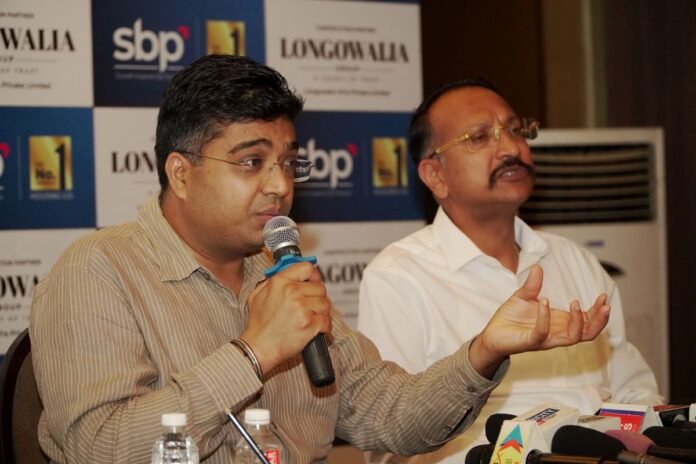
SBP Group Chairman and Managing Director Aman Singla (left) addressing the media along with Longowalia Infra Private Limited MD Sandeep Longowalia in Chandigarh on Thursday (06.08.2026). PHOTOS By: SBP Group
CMD Aman Singla asserts that SBP Group has successfully sustained pace of execution across all its current projects despite subdued market conditions, and with this long-term partnership projects are sought to be delivered ahead of schedules
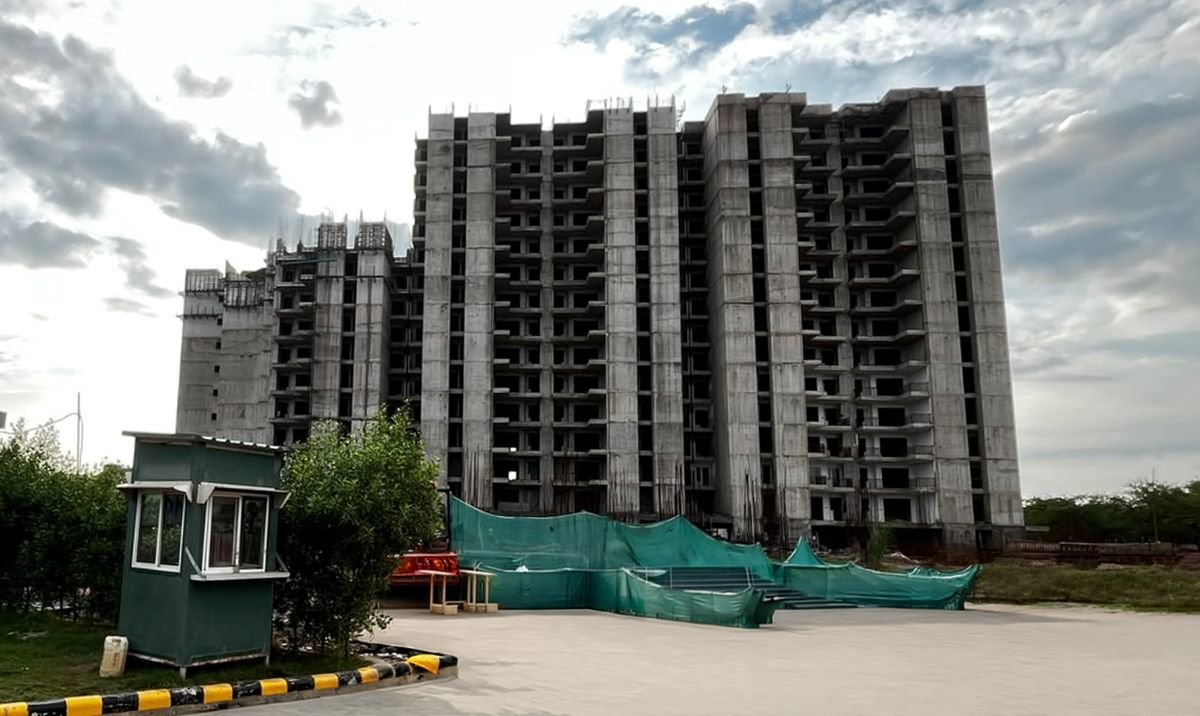
Real estate major SBP Group, the market leader in mid-segment housing projects in Chandigarh tricity region, with 32 projects and 15,000 homes delivered in 18 years, on Thursday (06.08.2026) announced a long-term partnership with Longowalia Infra Pvt Ltd to further accelerate execution of its quality residential, commercial and plotted developments in Punjab and across the Chandigarh tricity region.
Accompanied by Longowalia Infra Private Limited Managing Director Sandeep Longowalia, SBP Group Chairman and Managing Director Aman Singla, while addressing a media meet in Chandigarh revealed that 30 more projects with a combined coverage of 20 million sq feet are in the pipeline, with RERA approvals already received for 15 of them.
He asserted that SBP Group takes pride in timely delivery of quality projects and the partnership will further strengthen the trust it commands with its clients. “We have been impressed working with Longowalia Infra on three of our latest projects, hence we have decided to embark on a long-term partnership with them to further strengthen our commitment to timely project delivery and execution excellence,” he shared.
Having made a beginning from Zirakpur, SBP Group has now extended its geography to include Mohali, Derabassi, Banur, Rajpura, Kharar, Ludhiana and Solan (in Himachal Pradesh) and expanded its portfolio to luxury housing, commercial and industrial developments.
Says Aman Singla, “Mid-segment housing is our bread and butter, and it will continue to be in the future. As Many as 25 of our 30 projects in the pipeline are dedicated to this segment, which underscores our commitment to our core.”
Sandeep Longowalia adds, “We are pleased to partner with SBP Group at a stage when execution efficiency has become the defining factor in successful real estate development. By combining our large-scale construction expertise with SBP’s development capabilities, we aim to accelerate project delivery while maintaining the highest standards of quality.”
Singla claims that SBP Group are the pioneers in introducing to the region mivan construction, an advanced aluminium formwork system which replaces traditional bricks and plastering with lightweight, pre-engineered metal moulds to cast walls, slabs, columns, and beams with concrete all at once. It not only results in faster construction but also creates smoother walls with no danger of damage due to salt formation.
Among SBP Group’s newer and upcoming projects are Rio One, a 5.5 acre premium commercial development on VIP road, Zirakpur; MonteFiore Towers, High Ground Road, Zirakpur; City of Dreams 5, Landran-Kharar Highway, Sector 127 Mohali; SBP Homes Gardenia, Sector 126, Airport Road, Mohali; SBP Ananda Floors 2, Dera Bassi; and SBP F Towers, Canal Road, Ludhiana.
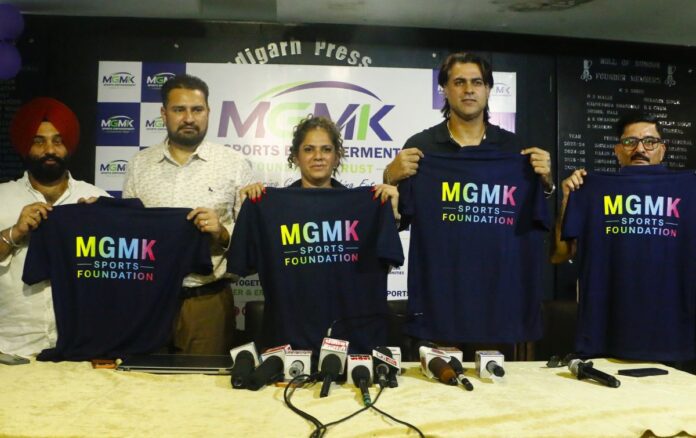
Members of the newly formed MGMK Sports Empowerment Foundation Trust display the foundation's jersey at a news conference in Chandigarh on Wednesday (22.07.2026). PHOTO courtesy: MGMK Sports Foundation
The immediate focus of the newly formed foundation, with former Indian pace bowler Manpreet Singh Gony among its trustees, is to raise a women’s team in Mohali under its ‘She Leads Cricket’ initiative
A host of women cricketers from Punjab and Chandigarh have performed admirably for the country in international cricket over the years, notable among them Harmanpreet Kaur, Taniya Bhatia, Amanjot Kaur and Harleen Deol. With Harmanpreet Kaur leading the Indian team to its historic maiden World Cup title victory in the 2025 women’s ODI World Cup, women’s cricket in the country has been elevated to the next level.
But sadly, in Punjab, women’s cricket has yet to come of age due to a multiplicity of factors, including continuing social and financial barriers. A glaring reflection of this on the ground is the complete absence of a women’s team of any age group in Mohali, the cradle of cricket in the state, boasting two world class cricket stadiums.
Considering the vast opportunities which are opening for women cricketers in the country, with a running women’s league (WPL) and women now getting match fee equal to their men counterparts, a group of concerned citizens have come together to do something about it.
So, a physical education expert, a former Indian male pacer, and others, including businessmen, have joined hands to start a sports foundation – the MGMK Sports Empowerment Foundation Trust – to identify and support talented cricket playing girls at the grassroots level in Punjab with free coaching and other financial backing under a ‘She Leads Cricket’ initiative.
The launch of the sports foundation was formally announced at a news conference in Chandigarh on Wednesday (22.07.2026) by its chairperson Manmohan Kaur, a sports professional with over 23 years of experience in physical education and sports development; and President Manpreet Singh Gony, former Indian pace bowler. Other trustees present were Sukhpreet Singh, J.P. Singh (both businessmen) and Suresh Kumar Bhuria, advocate & tax consultant.
Says Manmohan Kaur, “our vision is to create equal opportunities for girls from the weaker sections of society in cricket and develop the next generation of women cricketers from Punjab.
“Promising young cricketers will be identified through structured selection programmes. Selected girls will receive cricket kits, free-of-cost professional cricket coaching, fitness training, expert mentoring, personality development, and opportunities to compete at district, state, and national levels. The initiative aims to ensure that every talented girl receives the guidance and platform she deserves to fulfil her sporting aspirations,” she adds.
As a first step, the foundation is in talks with a few schools in Mohali to strike partnerships for starting a cricket academy for girls from economically weaker sections (EWS). Later it plans to expand its operations to other areas of Punjab.
Sharing further details, Manpreet Singh Gony says, “In the initial stages we plan to scout for talent with the purpose of identifying around 20 girls in the age group 10-18 years. They will be provided professional training with the purpose of preparing them for selection to represent Mohali district in state level tournament/s and later climbing the success ladder.
“Punjab has always produced exceptional sporting talent. Through this initiative, we aim to build a strong grassroots cricket structure that prepares young girls to represent their school, district, state, and ultimately India. With the right coaching, mentorship, and opportunities, we can create the next generation of women cricket champions,” he further states.
The trustees are of the view that MGMK Sports Empowerment Foundation Trust is more than an organisation, it’s planned to develop into a movement dedicated to empowering girls, promoting fitness, encouraging leadership, and strengthening society through sports. They are inviting schools, higher educational institutions, corporates, sports organisations, and the people of Punjab at large to join hands with them in making ‘She Leads Cricket’ a transformative mission for the future of girls’ cricket
The hospital is a unit of RJ Corp Healthcare, part of the one of India’s most prominent business conglomerates, the Jaipuria Group
They are better known for being one of the largest bottlers for PepsiCo outside of the USA and operate India’s largest franchisee networks for some of the global quick service brands. But many may not be aware that the Delhi-based Jaipuria Group, one of India’s most prominent business conglomerates with interests also in education, textiles, real estate, eyewear, engineering, IT and plastics, are into healthcare too.
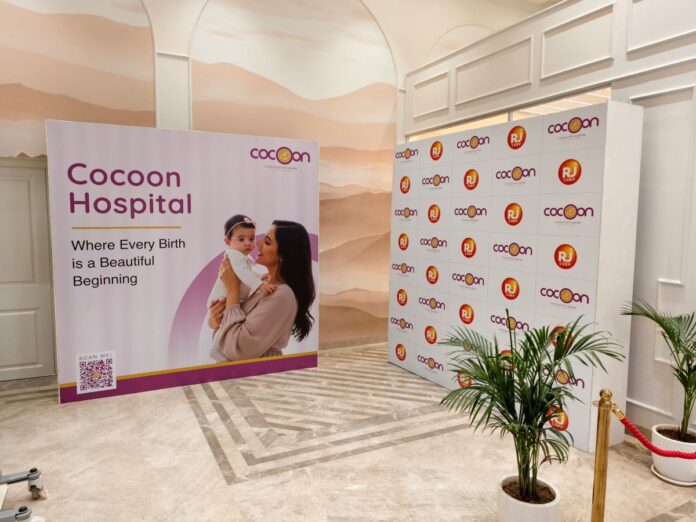
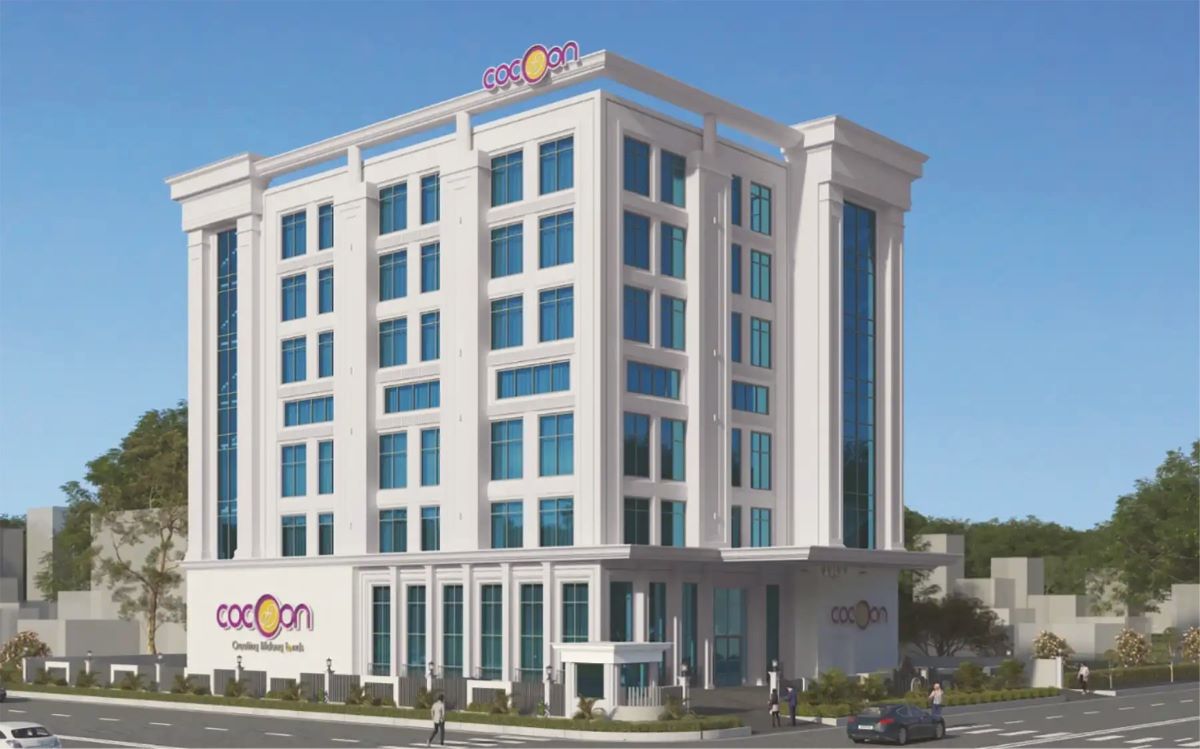
Having served nearly 2,00,000 patients in Jaipur over the last 13 years, the group formally opened only its second premium-luxury Cocoon mother and child hospital, a unit of RJ Corp Healthcare, in Chandigarh, bang opposite the main entry gate of Hyatt Regency Hotel in Industrial & Business Park Phase 1, on Saturday (18.07.2026).
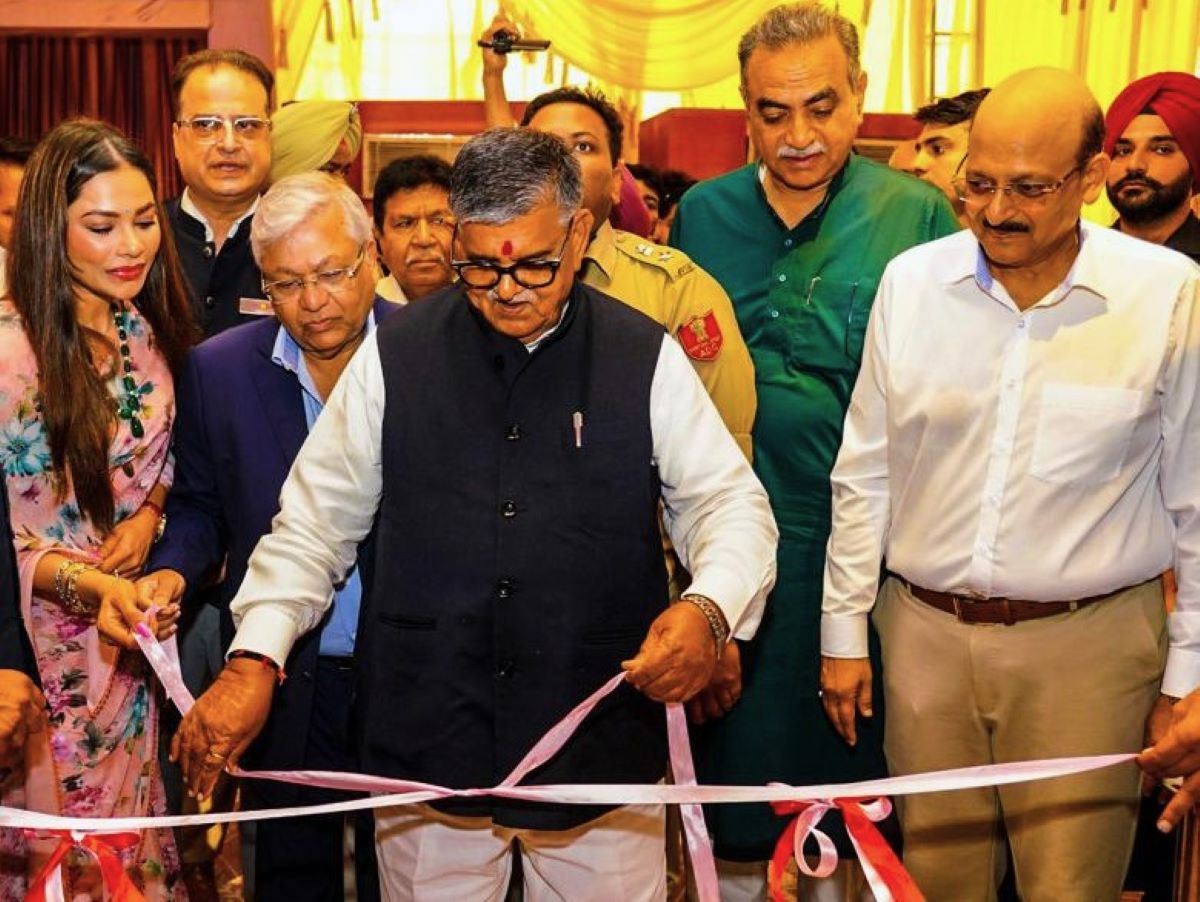
The ribbon cutting ceremony was performed by Punjab Governor and Chandigarh UT Administrator Gulab Chand Kataria in the presence of RJ Corp Healthcare Founder and Chairman Ravi Kant Jaipuria, his daughter and Vice Chairperson Cocoon Hospitals Devyani Jaipuria and RJ Corp Healthcare Group CEO Dr Alok Khullar.
Punjab Governor and UT Chandigarh Administrator Gulab Chand Kataria performs the ribbon-cutting ceremony to formally inaugurate the Cocoon mother adn child hospital in Chandigarh. To his right and behind him are RJ Corp Healthcare Founder and Chairman Ravi Kant Jaipuria, his daughter and Vice Chairperson Cocoon Hospitals Devyani Jaipuria and behind them RJ Corp Healthcare Group CEO Dr Alok Khullar. PHOTOS By: LifeInChandigarh.com & Cocoon Hospital
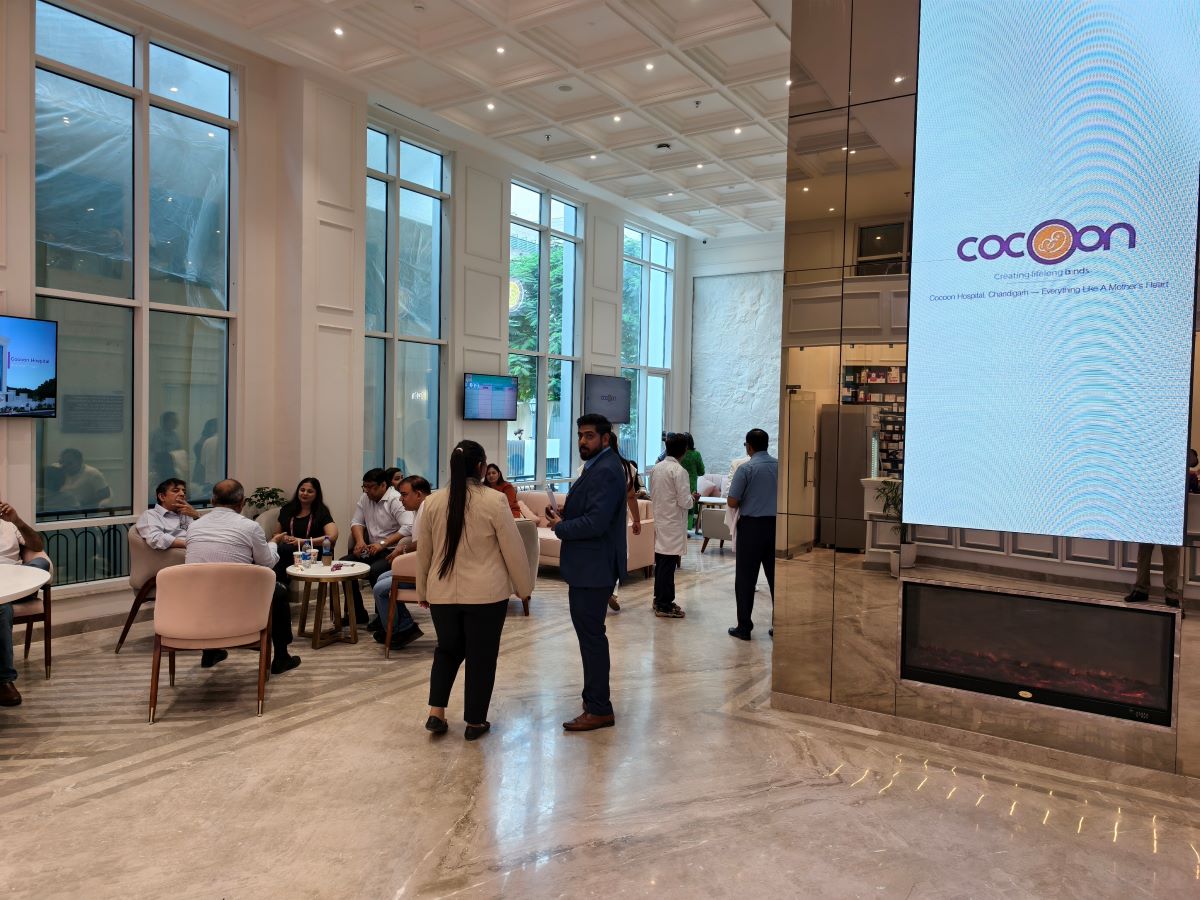
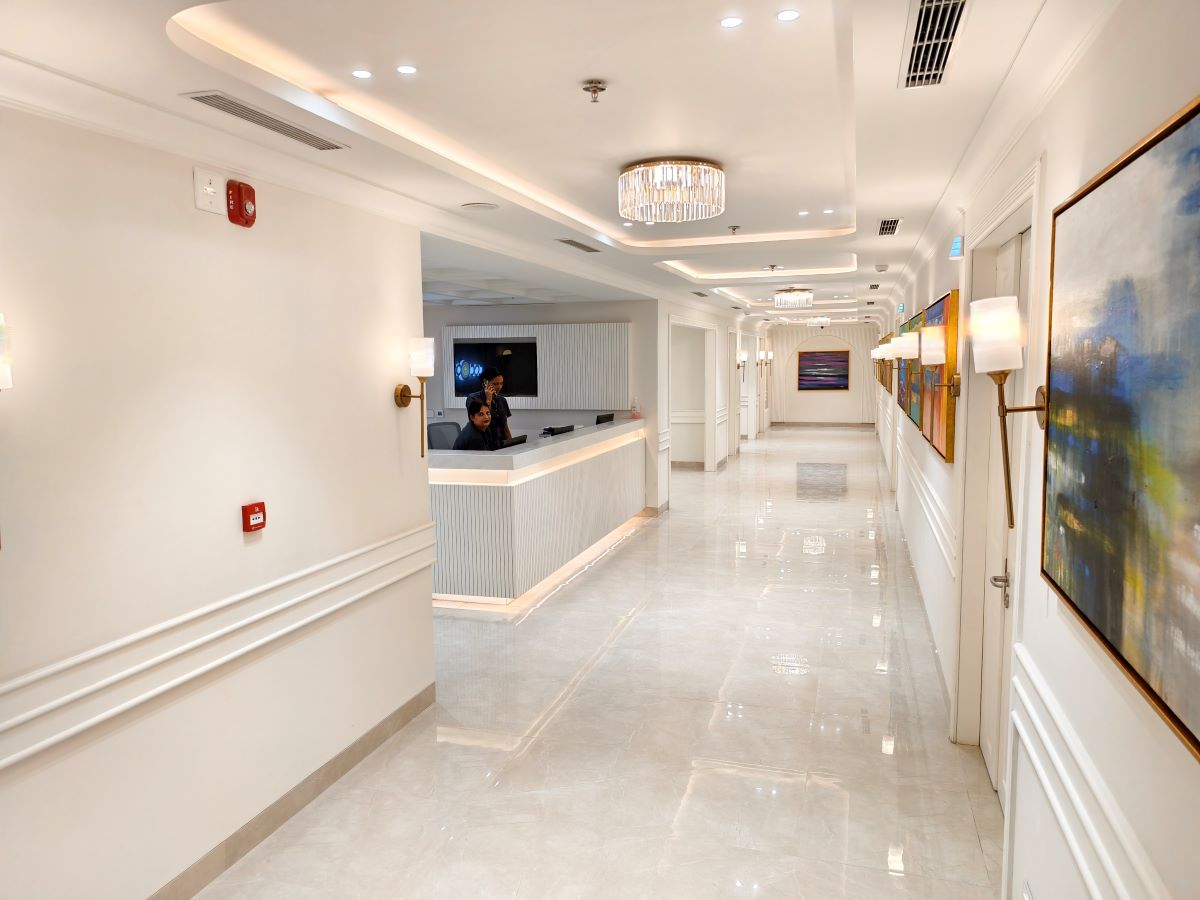
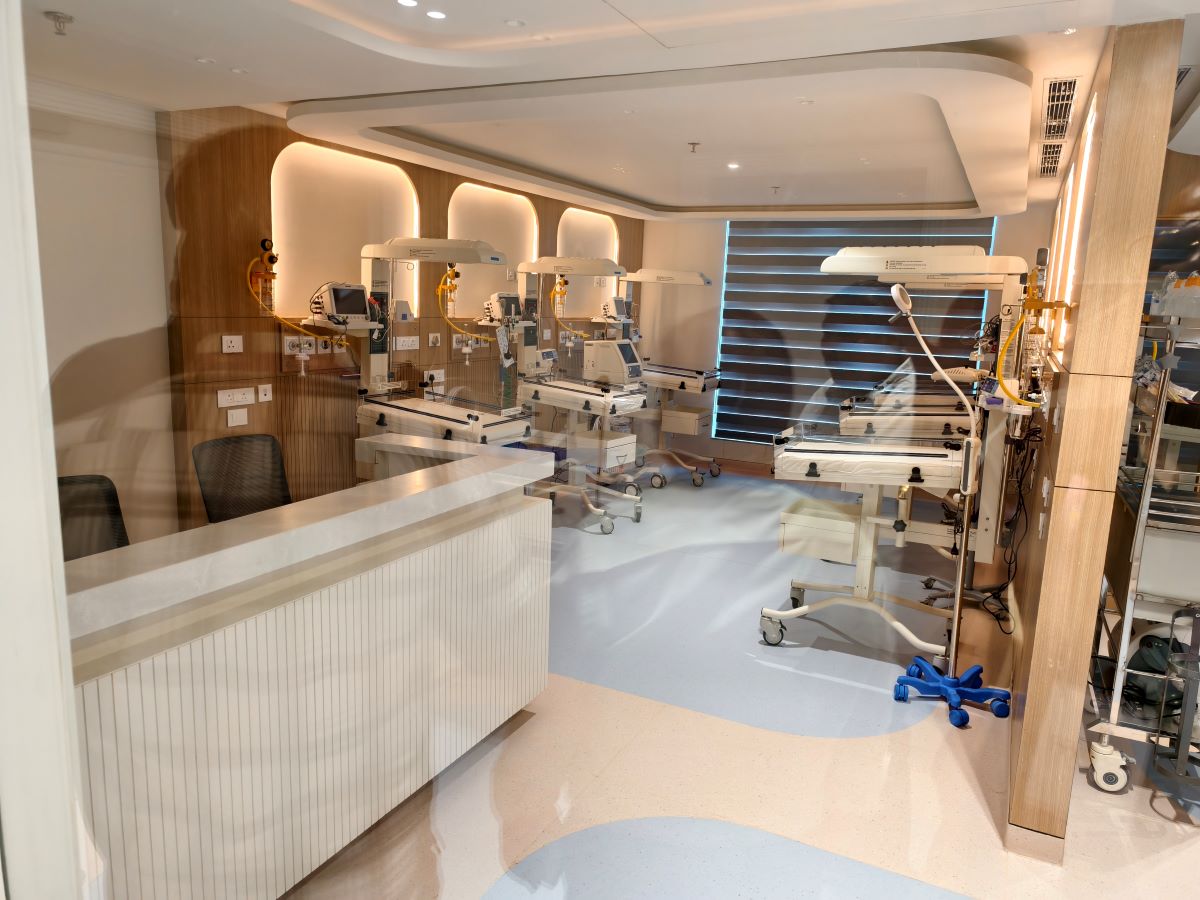
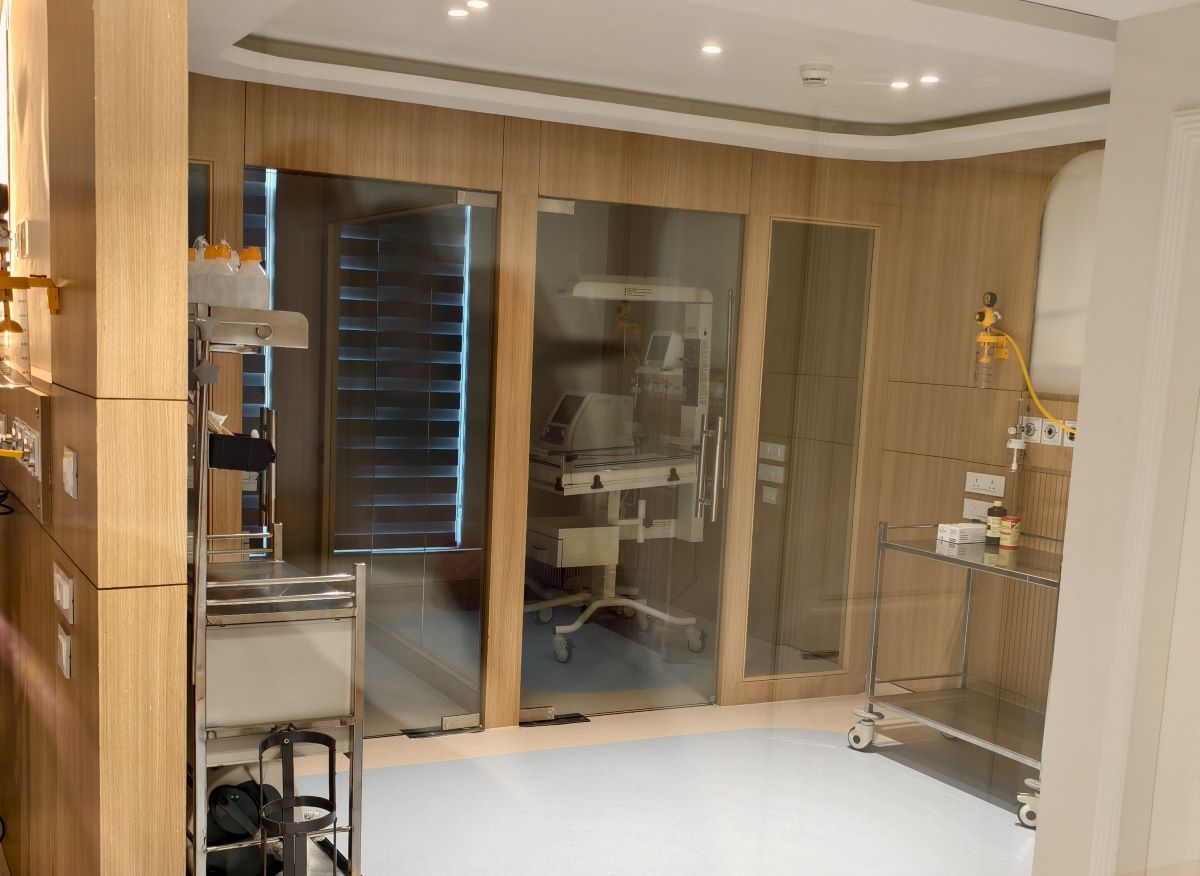
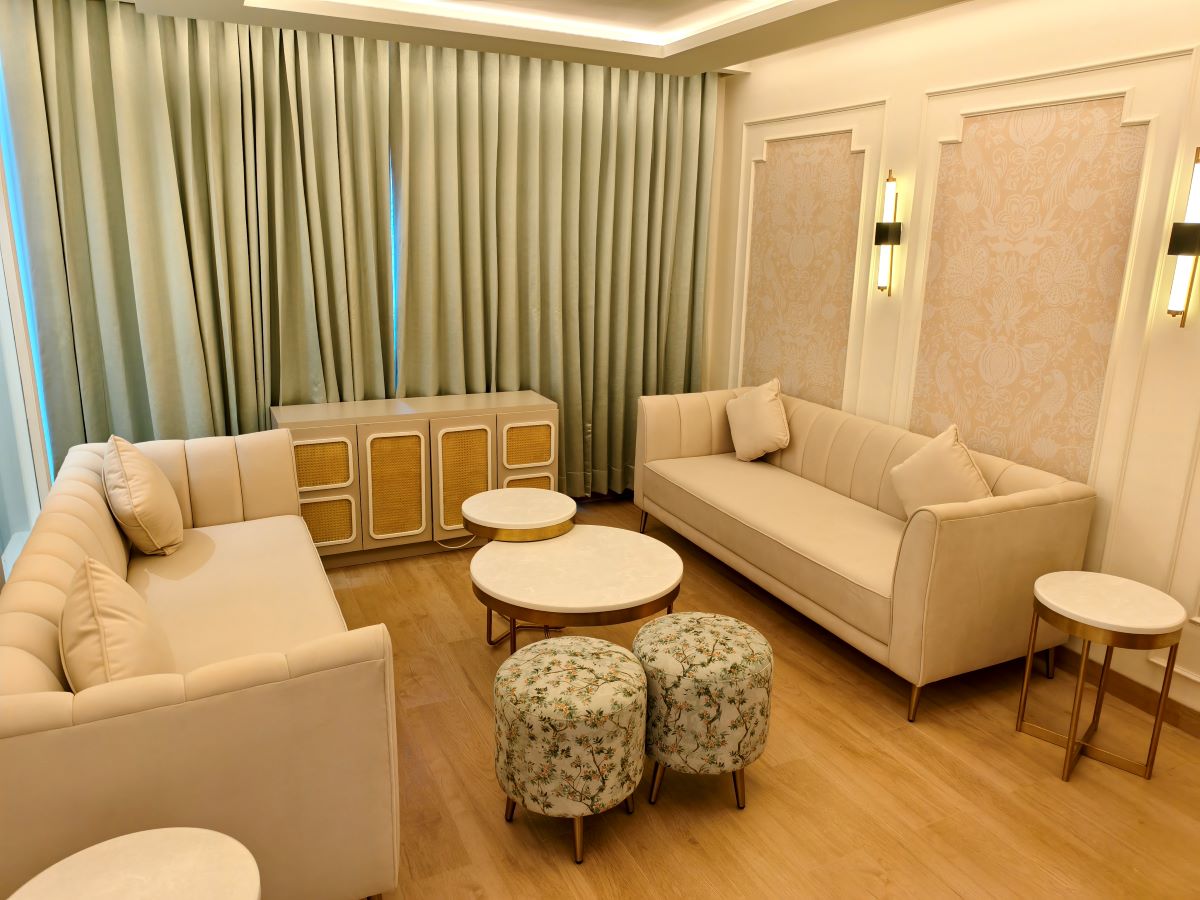
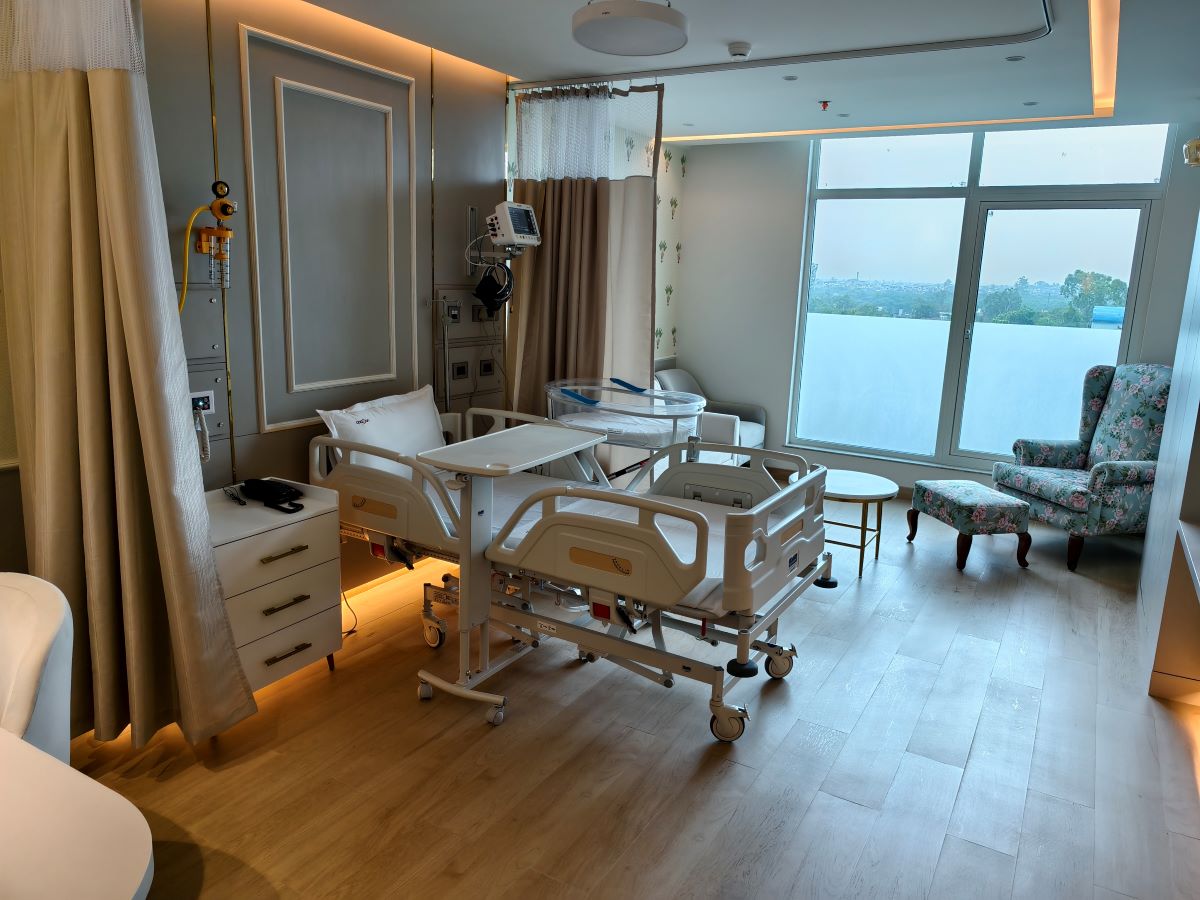
A round of the double basement+G+6 floors ultra-modern hospital was eye-popping. Apart from an impressive all-white façade and luxurious and classy ambience, the 47-bed hospital is equipped with the latest world class facilities, including 16 stations in latest level III neonatal ICU (NICU) and an isolation chamber.
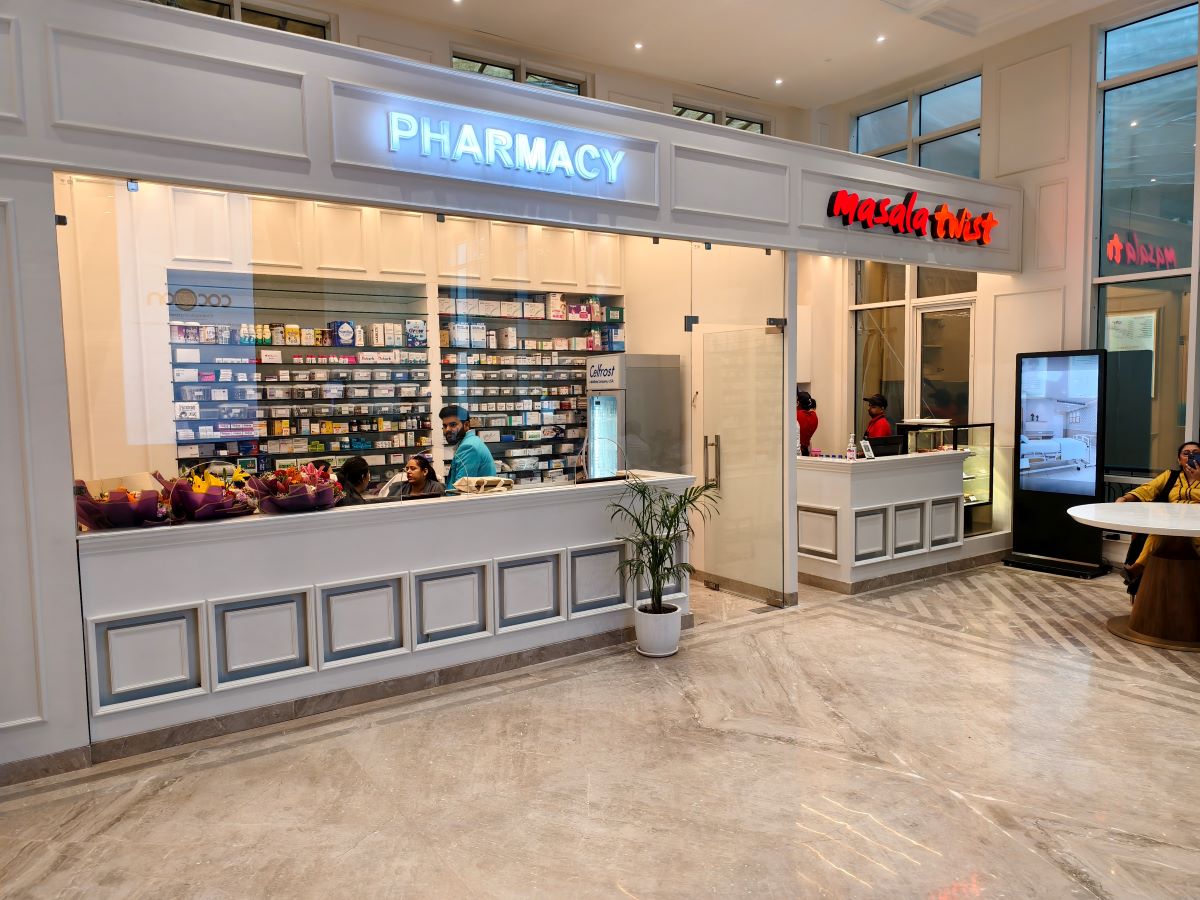
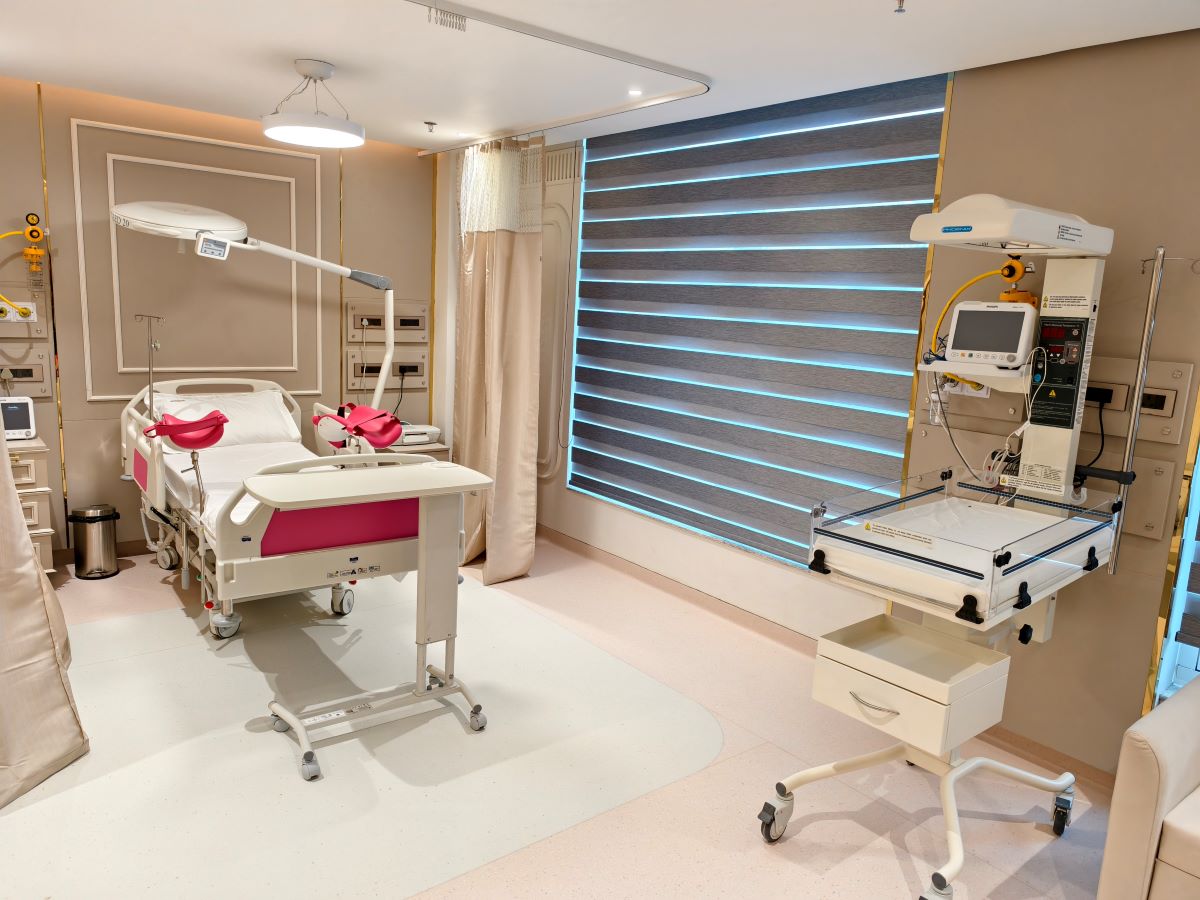
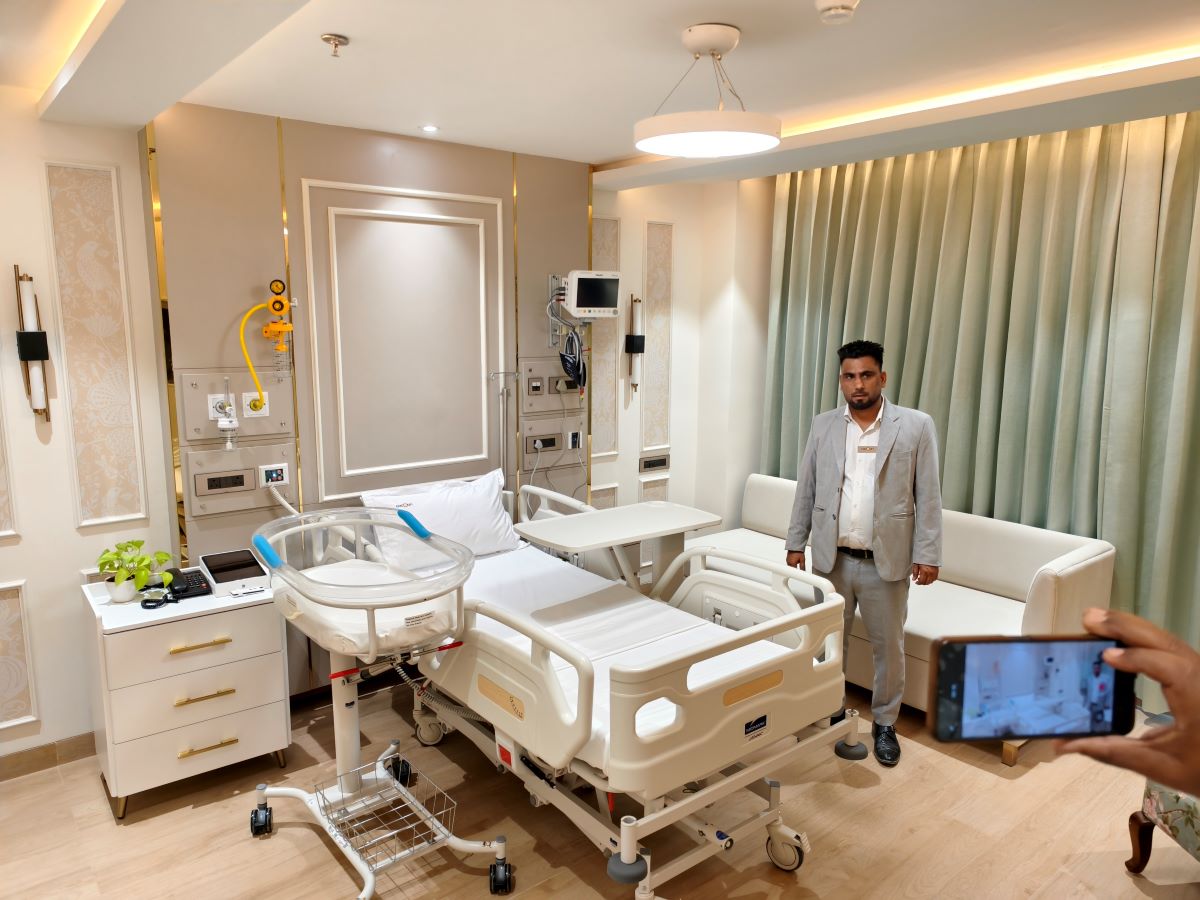
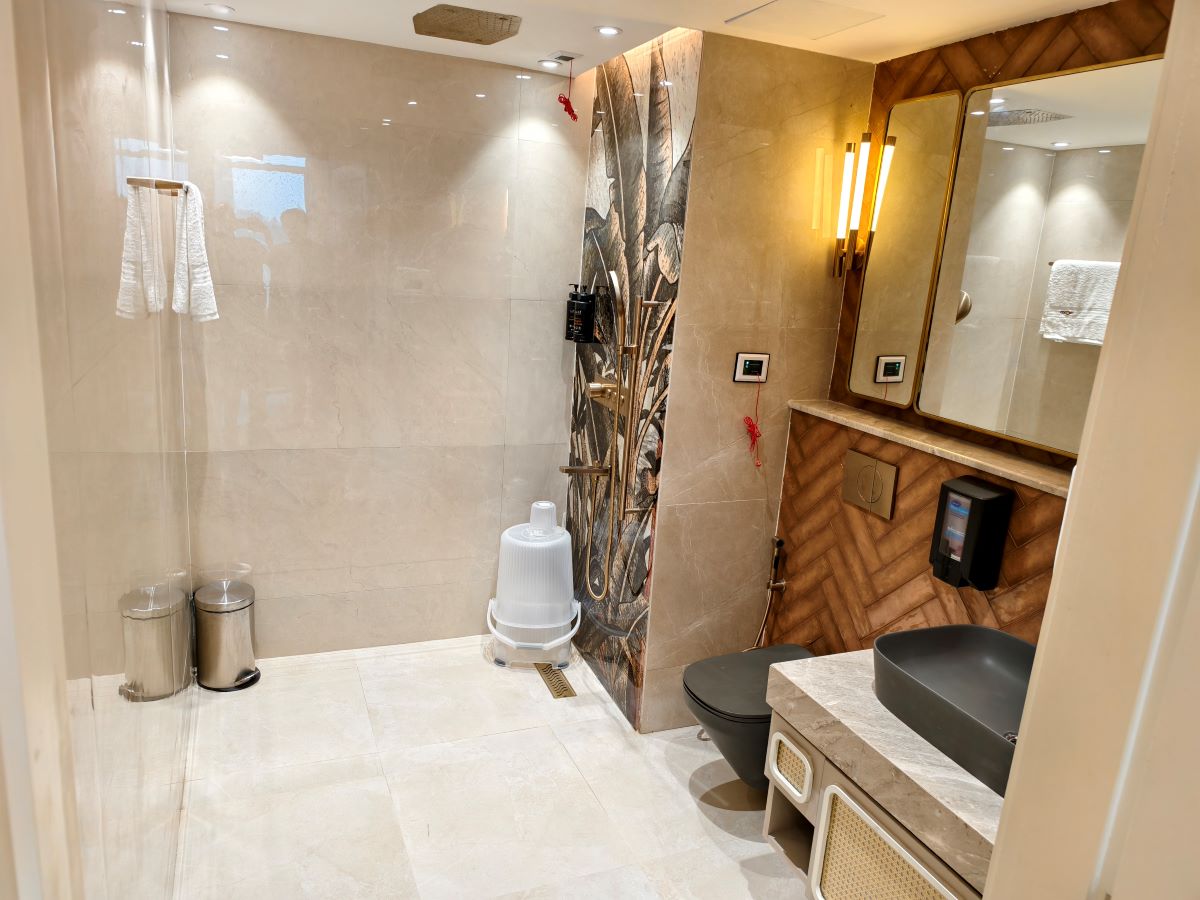
The hospital also boasts of luxury Labour Delivery & Recovery (LDR) suites, state-of-the-art operation theatres, advanced diagnostics, a pharmacy and private nurturing spaces – presidential suites with attached attendant room and plush washrooms, superior suites and general suites. Private rooms are also available on twin sharing basis.
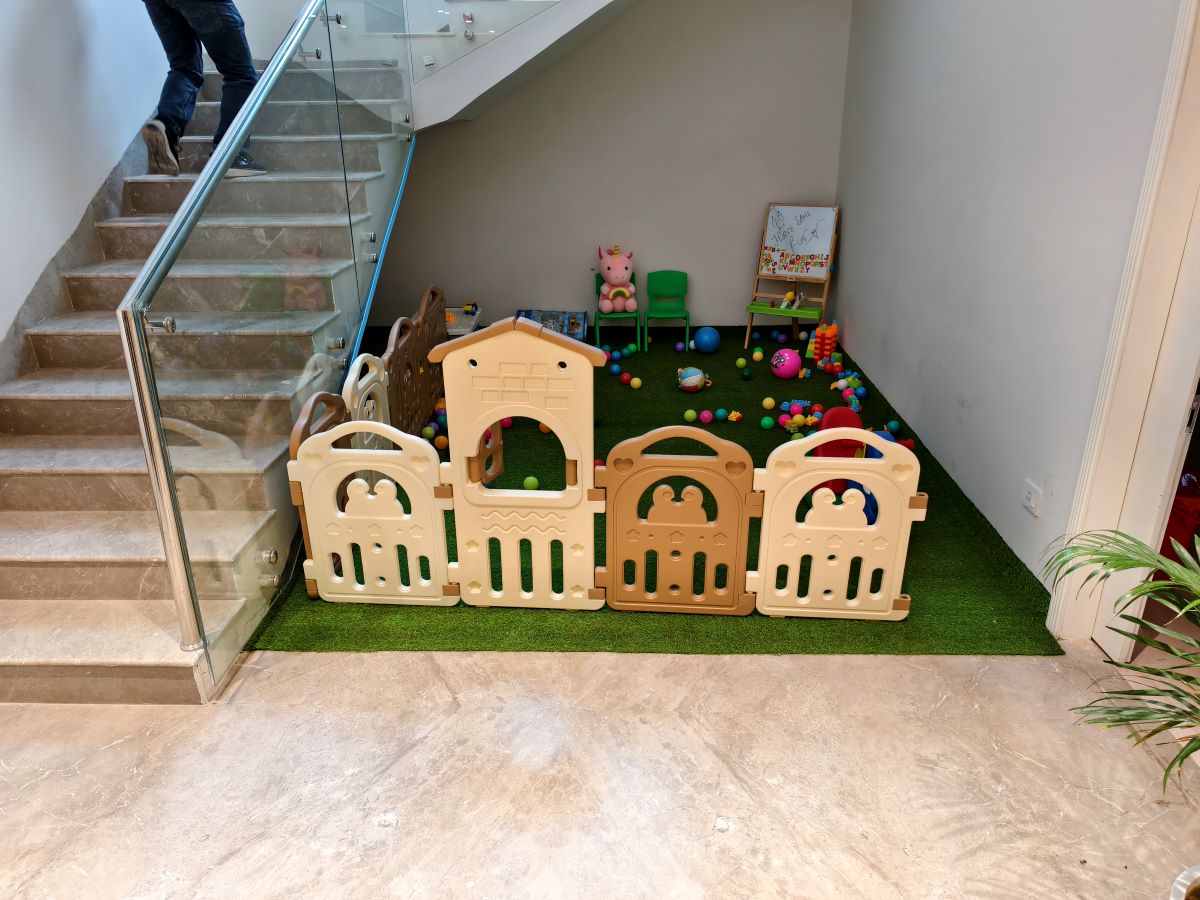
We’ll let the accompanying pictures speak for themselves.
Apart from a battery of other senior specialists, Cocoon Hospital Chandigarh has roped in the services of well-known obstetrician and gynaecologist Dr Mangla Dogra as senior consultant, apparently to add prestige to the team of doctors.
In an exclusive conversation with your own news portal LifeInChandigarh.com on the sidelines of the inauguration, Chairman Ravi Kant Jaipuria tried to allay apprehensions that arise naturally with such high-class medical facilities about the hospital being extraordinarily expensive. “Without ever compromising on providing only the best of world class facilities, and highly experienced and competent doctors and support staff, we are making sure that the pricing of our packages remains competitive. It’ll be a value for money proposition.”
He further said that Cocoon hospitals are designed to meet the evolving needs of modern families, offering comprehensive services across obstetrics, gynaecology, fertility, foetal medicine, neonatal intensive care, paediatrics and women’s health. The hospitals are dedicated to delivering integrated, technology-enabled and compassionate care to women, mothers, newborns and children. Here every stage of parenthood – from pregnancy planning and antenatal care to high-risk pregnancies, childbirth, neonatal intensive care, paediatrics and women’s wellness – is supported through evidence-based clinical expertise and compassionate care, he added.
Pointing out that today’s parents seek hospitals that not only provide advanced medical expertise but also seamless support, safety and reassurance throughout pregnancy and beyond, he maintained that Jaipur, Chandigarh and all future Cocoon hospitals will be geared to come up to their expectations, and in fact surpass them.
It took RJ Corp Healthcare 13 long years to expand its footprint from the lone Jaipur facility to Chandigarh, but the Cocoon hospital network is set to scale its expansion at a faster pace with 10 more mother and child healthcare facilities planned in the next five years. Two of these hospitals are already coming up in Lucknow and Guwahati. Also on the radar are Ludhiana, Gurugram, Noida, Delhi and Mumbai. Commenting on the pace of future expansion, Ravi Jaipuria said: “We are scouting for suitable and financially viable locations. Facilities will start coming up as and when we zero in on such land parcels, or alternatively rental properties.”
The advanced ultrasound facilityChildren’s play areaA corridor with private nurturing spaces on both sidesLevel III NICUIsolation chamberA luxury Labour Delivery & Recovery (LDR) suite
President suite with attached attendant room and plush washroomsA private suite
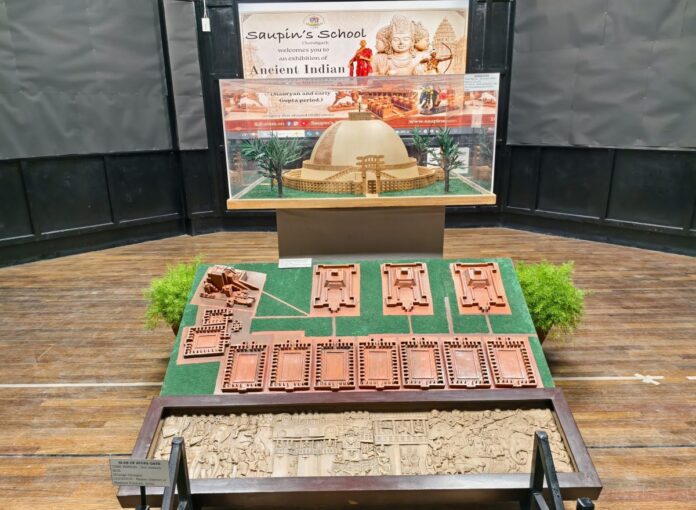
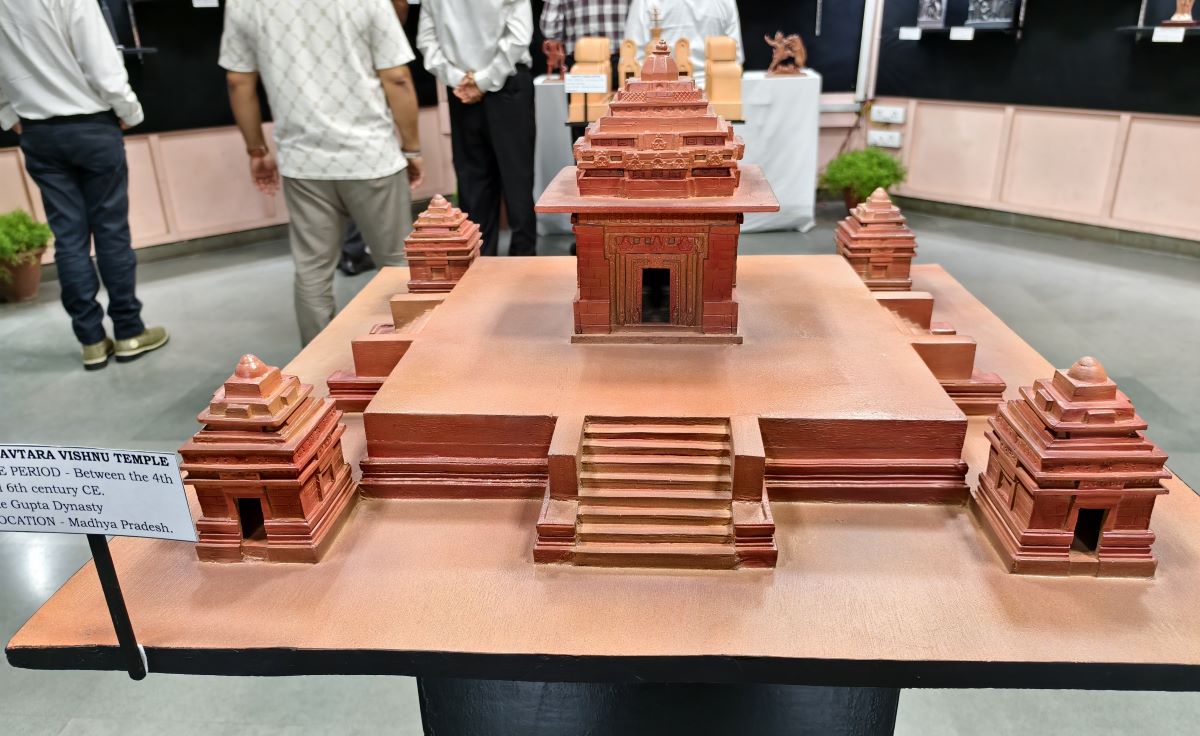
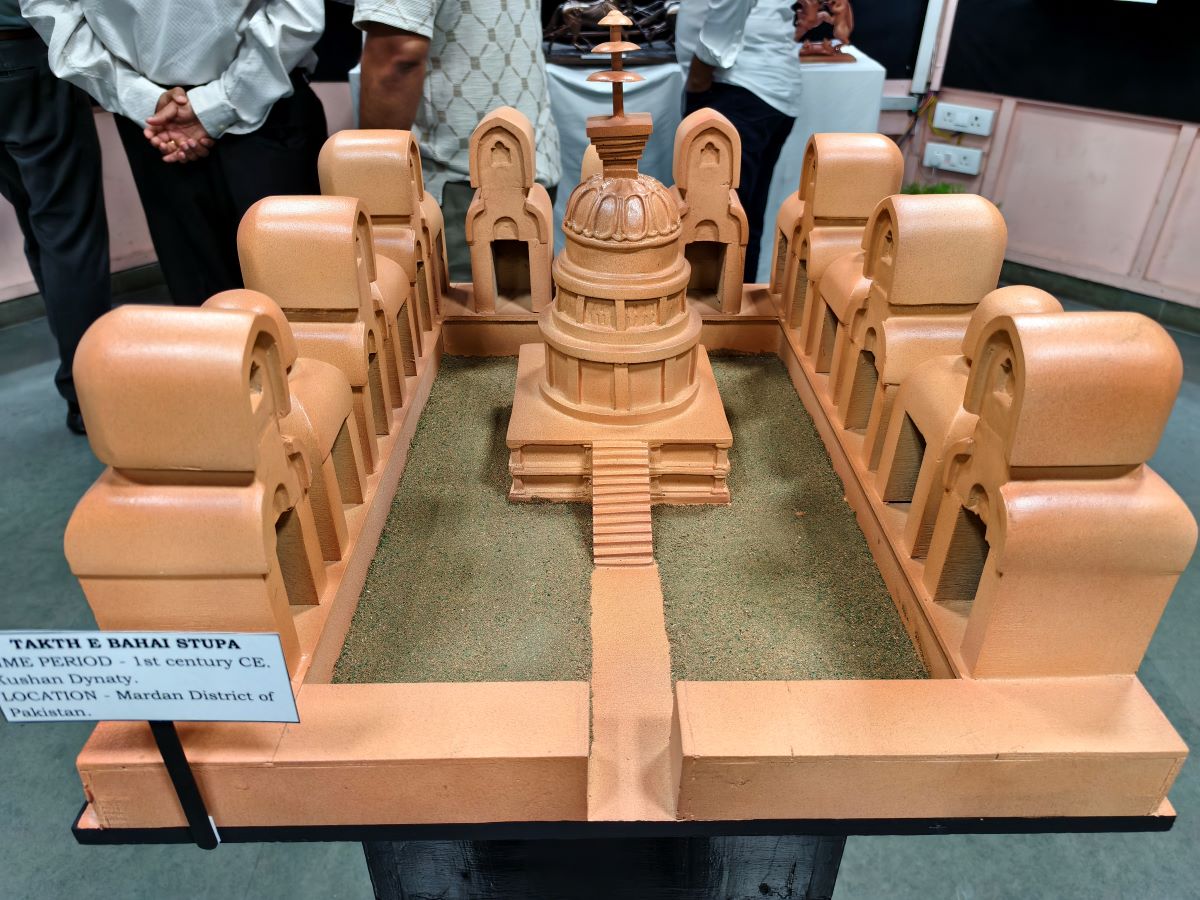
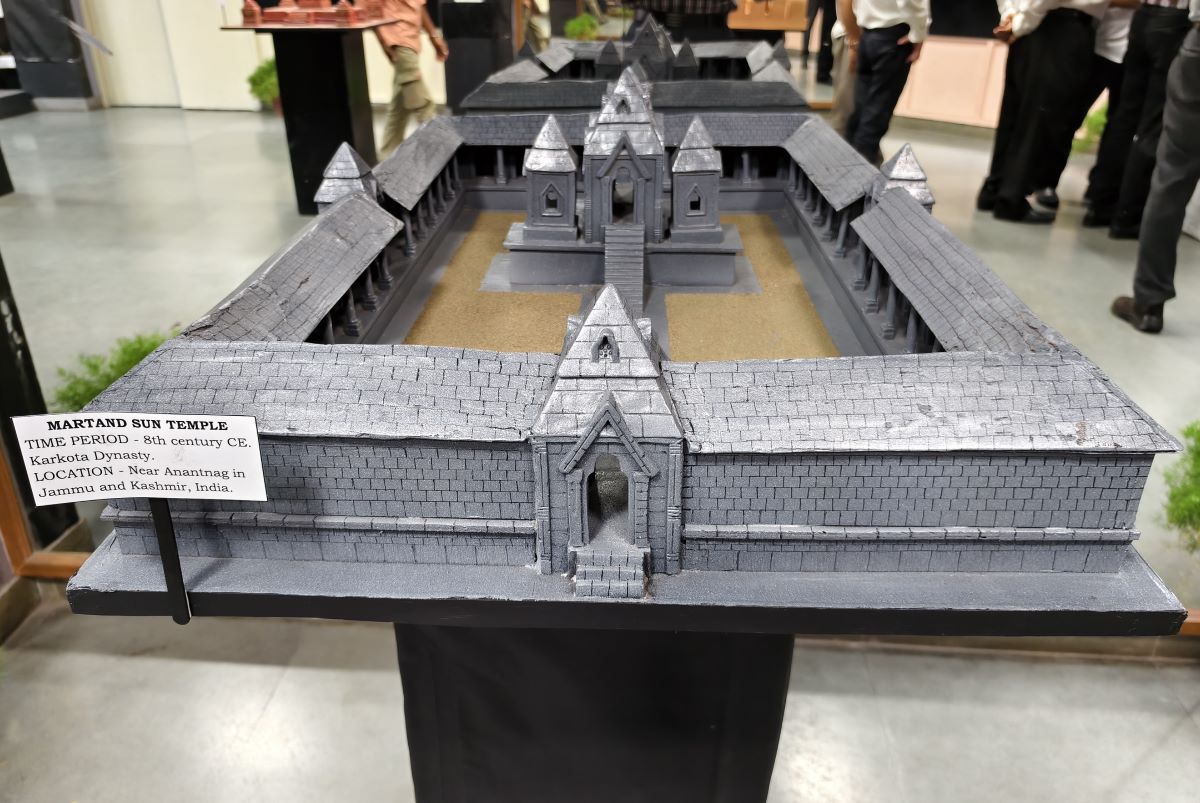
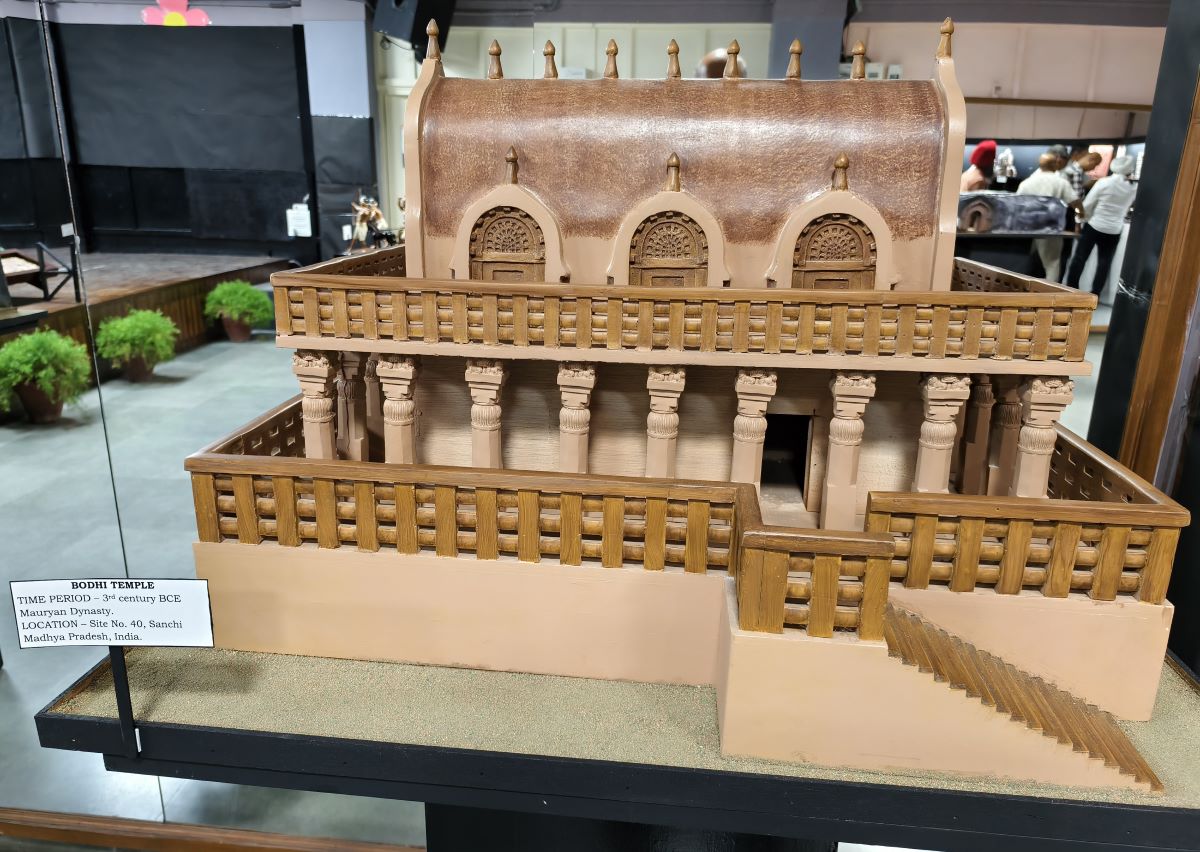
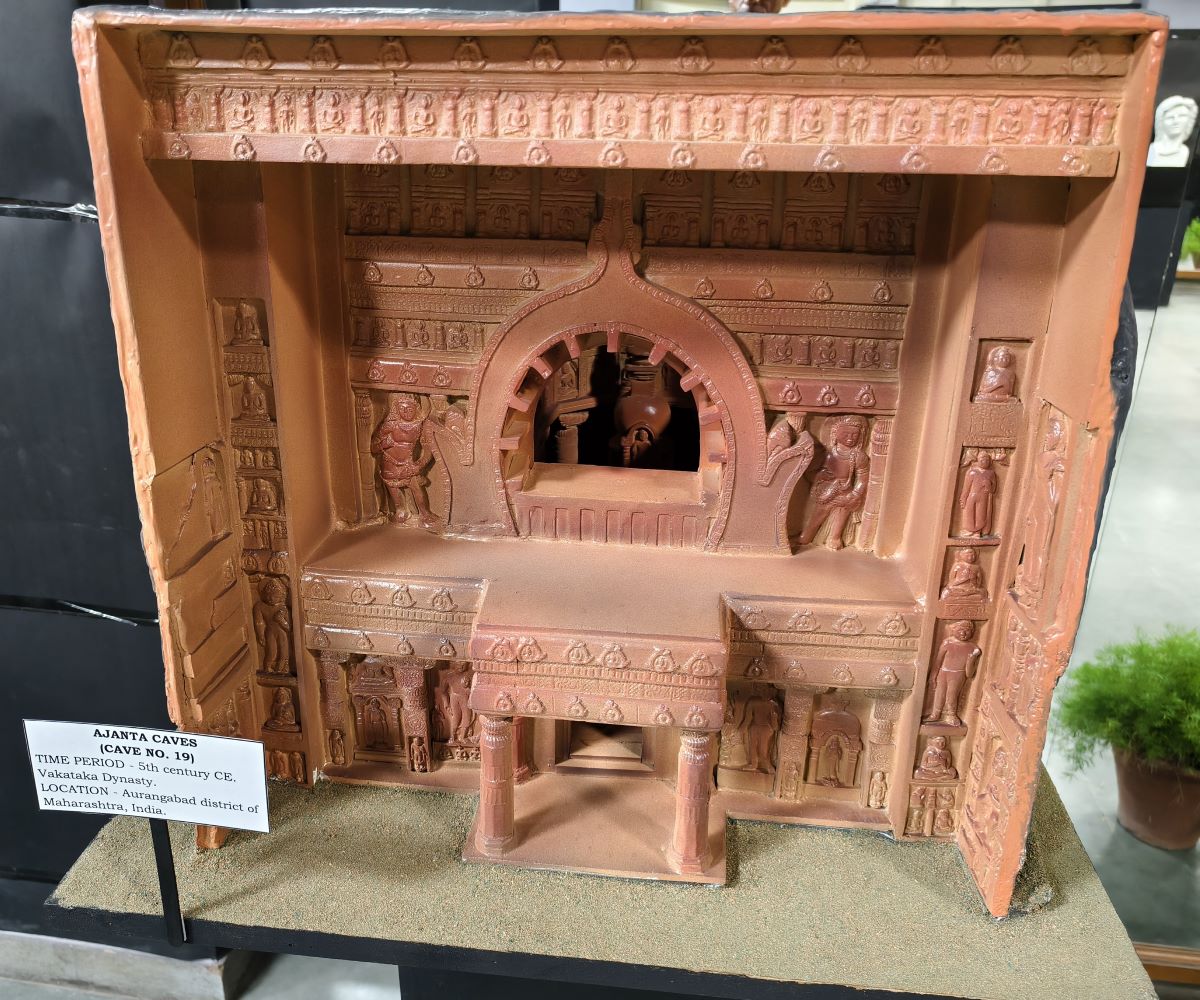
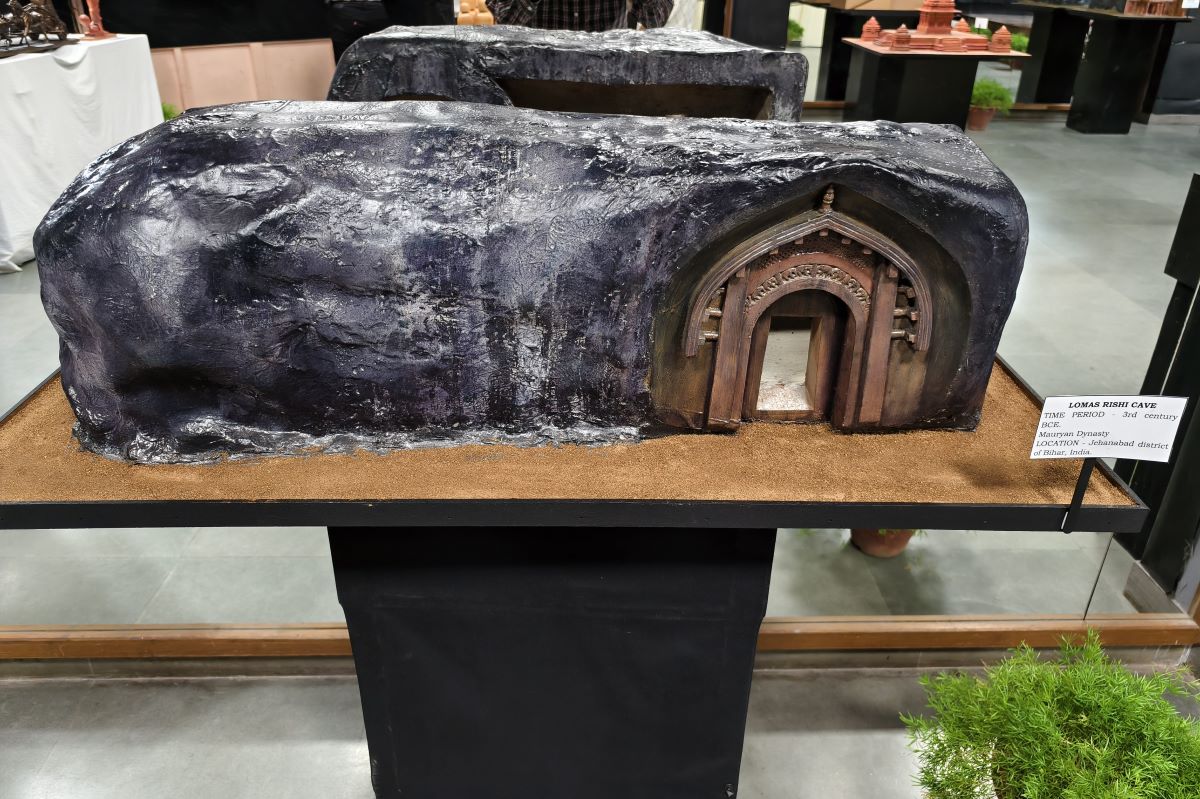
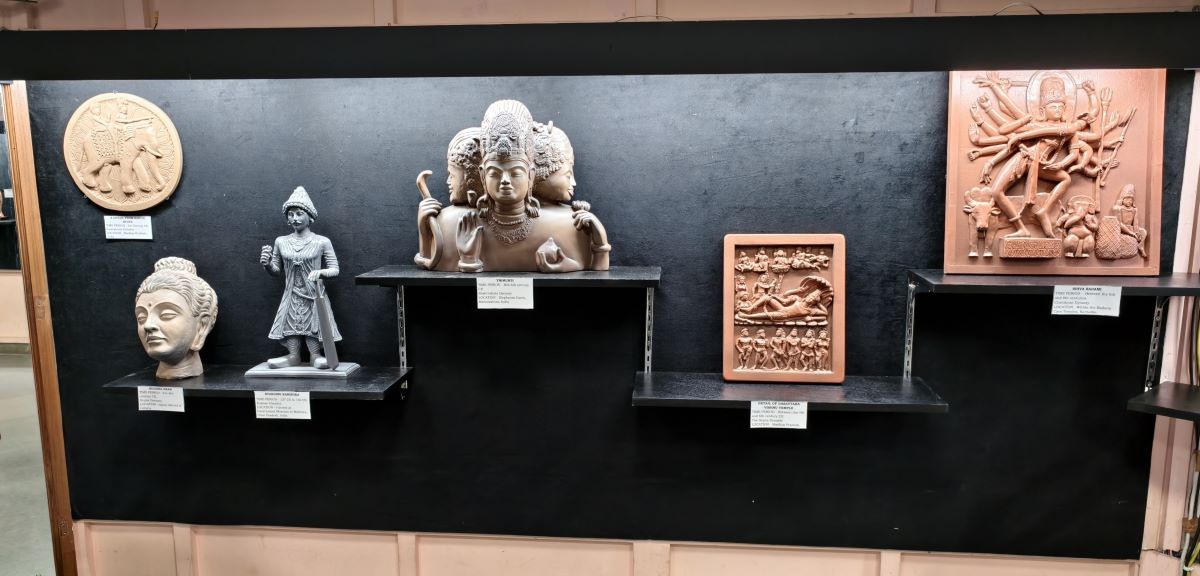
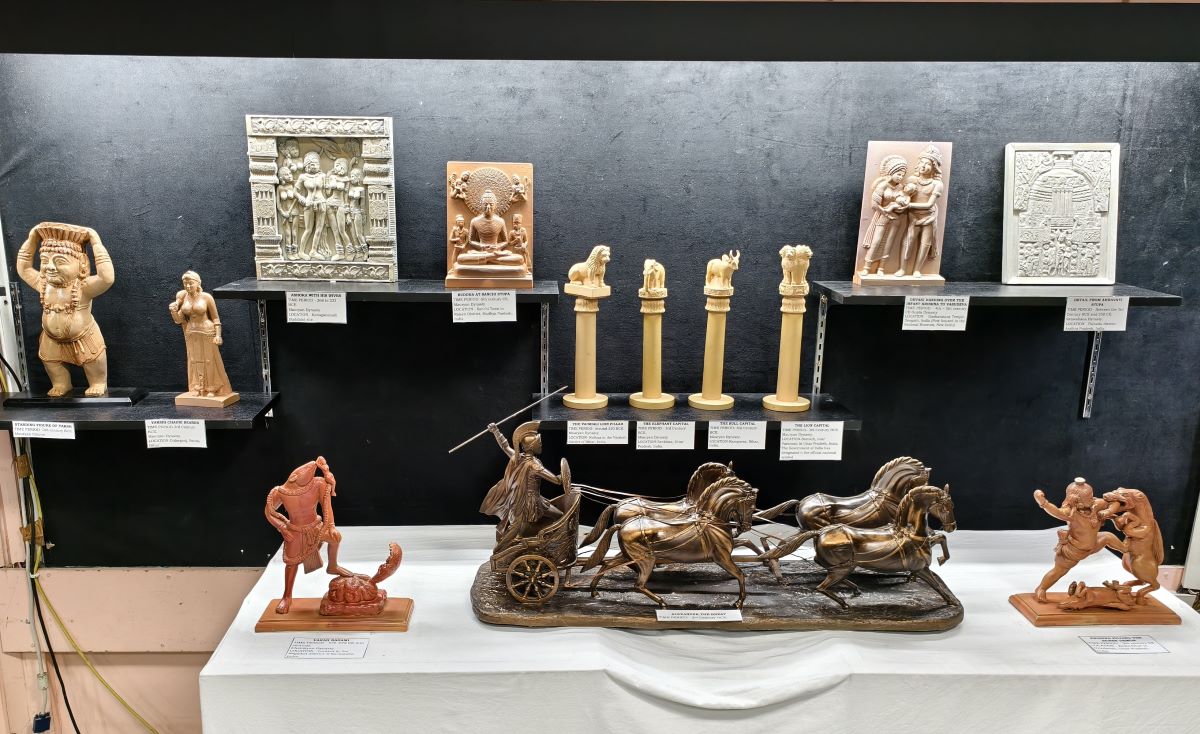
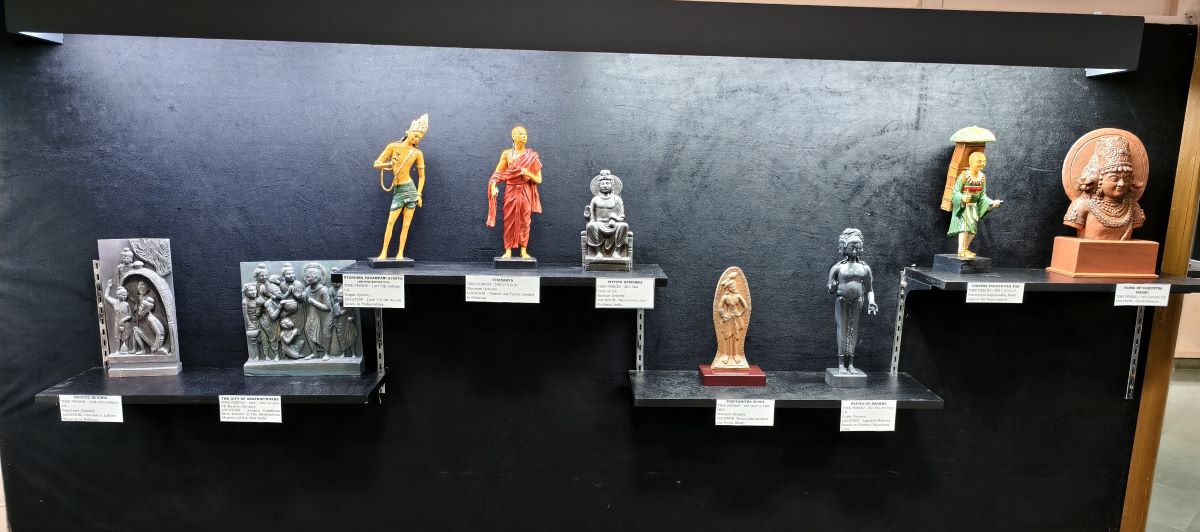
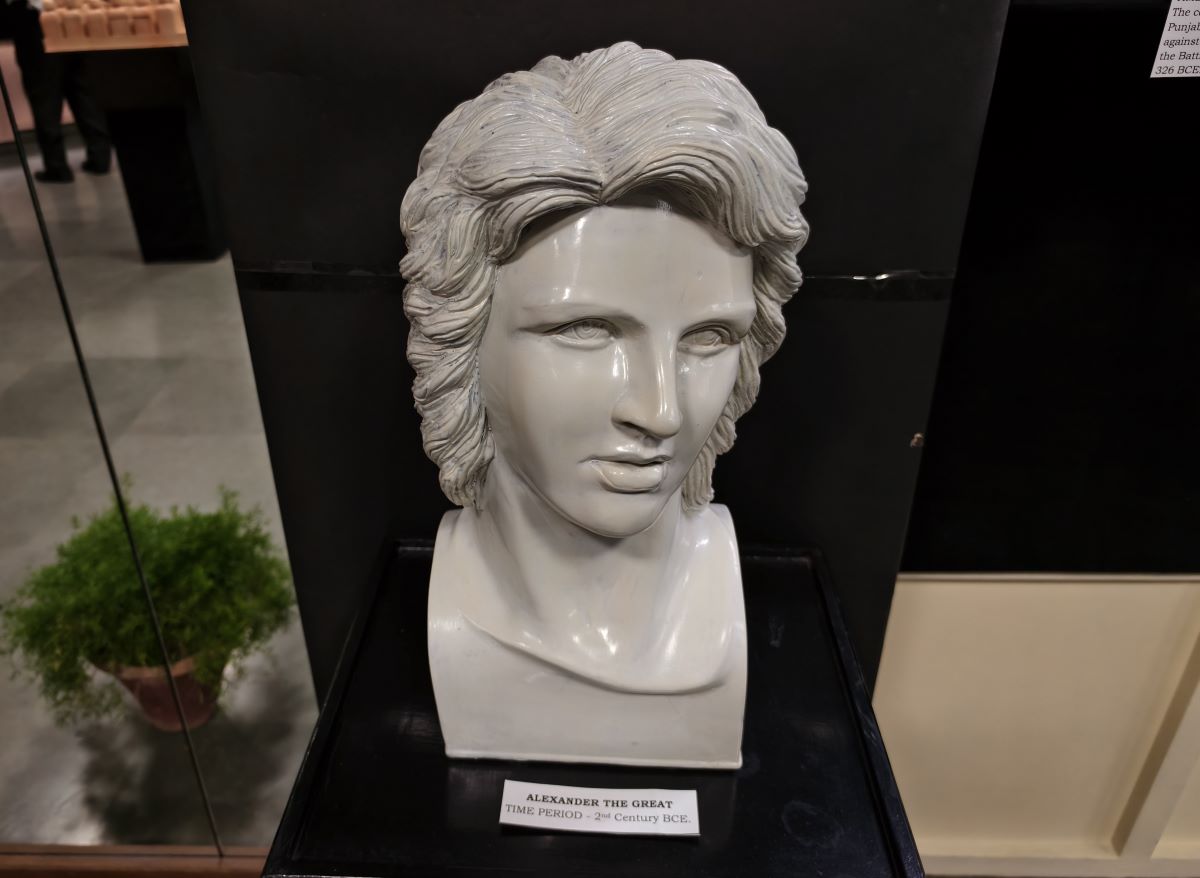
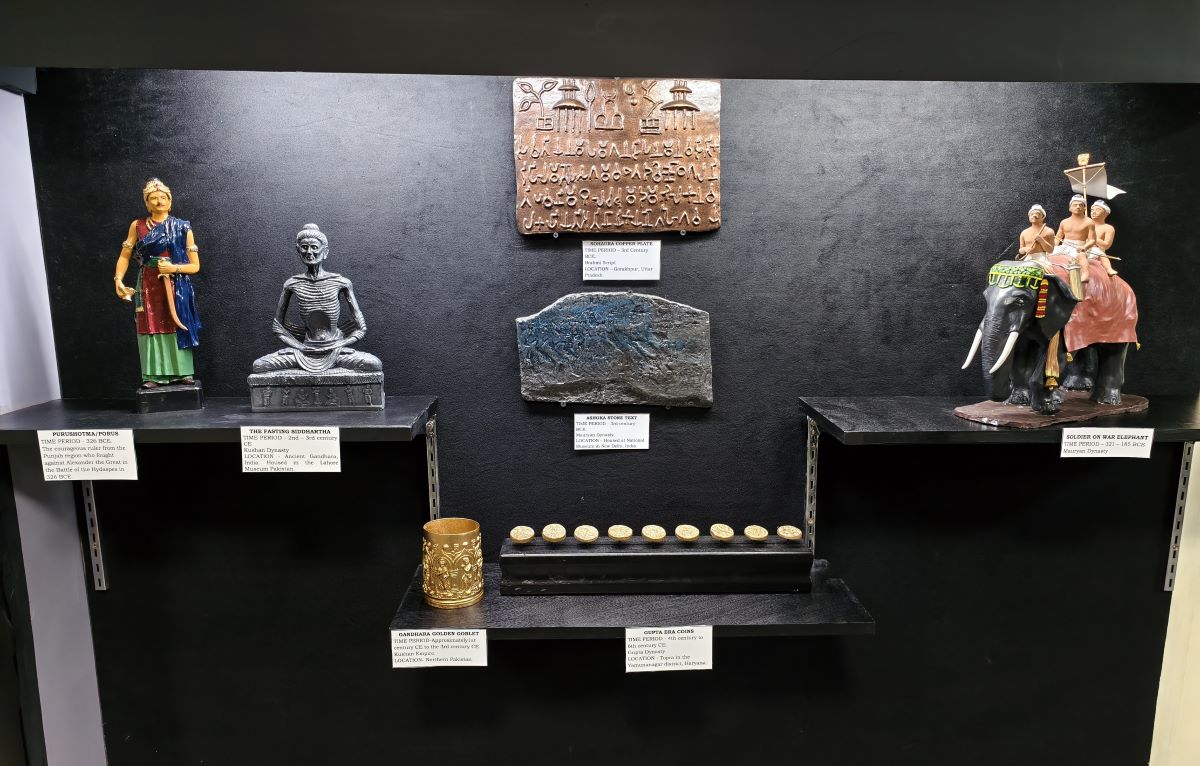
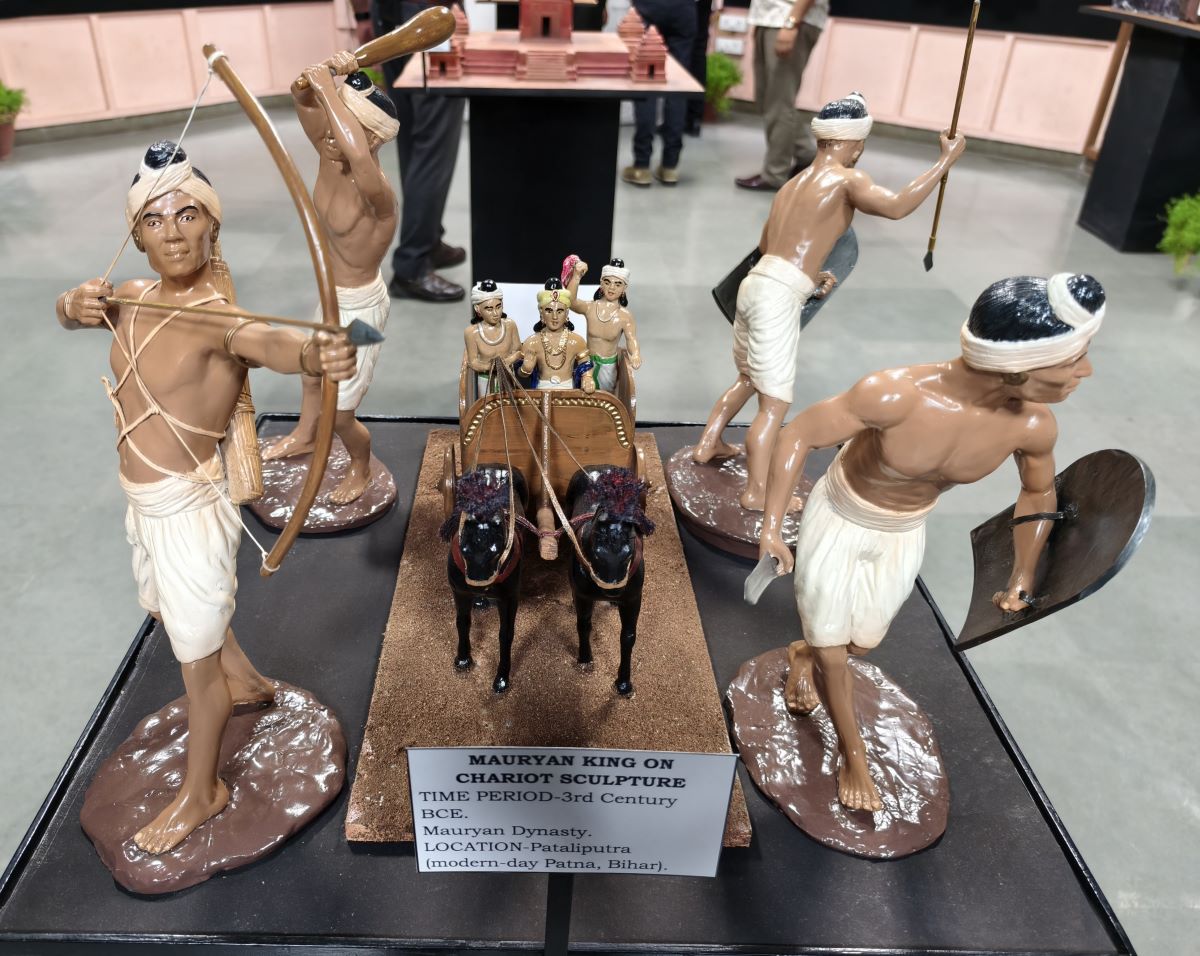
50-odd replicas/models of monuments and sculptures of the glorious period of ancient Indian history on display in an awe-inspiring exhibition
Relics of other periods also depicted
What better way of learning ancient Indian history than authentically recreating portions of it in the shape of aesthetically appealing replicas and models of monuments and sculptures, capturing the true glory of the times gone by. After two years of painstakingly research and efforts, staff artists, students and teachers of Saupin’s School in Sector 32 Chandigarh have jointly achieved the unthinkable with unbridled support of the school management.
The research, the imaginatively and authentically executed artworks displayed for public view in an awe-inspiring exhibition titled ‘Ancient Indian Art & Architecture (Mauryan & Early Gupta Period)’ is a subject of much admiration both from the student community and art lovers and admirers. The period depicted in the exhibition is considered the glorious period of Indian history when ancient India witnessed transformation from small kingdoms to powerful centralised states.
We, a group of old schoolmates (not Saupinians), availed the opportunity on Thursday (July 9) to have a close and relaxed view of the exhibition on the invitation of an old buddy, and were left speechless. We found it unbelievable that a bunch of amateurs could display such mastery in recreating history with such authenticity and finesse, which surely even archaeological experts would admire. The overwhelming experience inspired an instant flashback to the days spent in our school, to our history classes and our history teachers.
Rest will let the pictures taken at the exhibition do the talking.
Considering the requests from other schools and art lovers, the school management has decided to extend the exhibition, inaugurated by Chandigarh Mayor Saurabh Joshi on July 4 in a basement hall of the school, till July 14 (Tuesday). Visitors are welcome during designated hours by appointment.
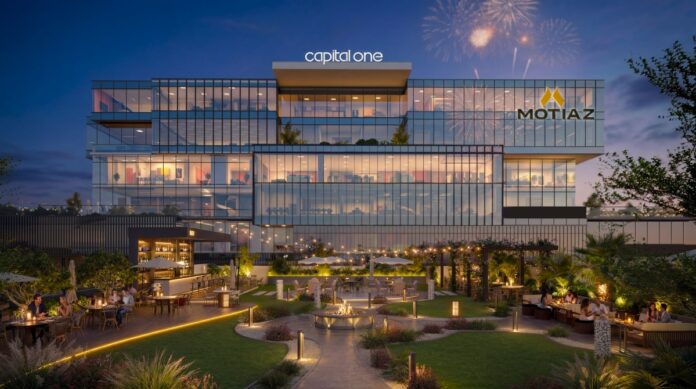
Artist's impression of one of the key buildings in the Motiaz Central One mix use plotted commercial project in Zirakpur. IMAGES/PHOTOS By: Motiaz Group
Advantageously facing two sides of the NH-7/PR-7 junction it is touted as ‘The City’s Happy Place’
Plotted development promising a unique, one-of-its-kind controlled façade in the region
Effort on to bring in aspirational brands not experienced so far in the region
Motiaz Group, one of the first developers to move into Zirakpur area and become a dominant player in the region’s real estate landscape, with 19 delivered residential and commercial and 11 ongoing projects, has announced the first of its innovative projects of the future aimed at reimagining its three decades long legacy.
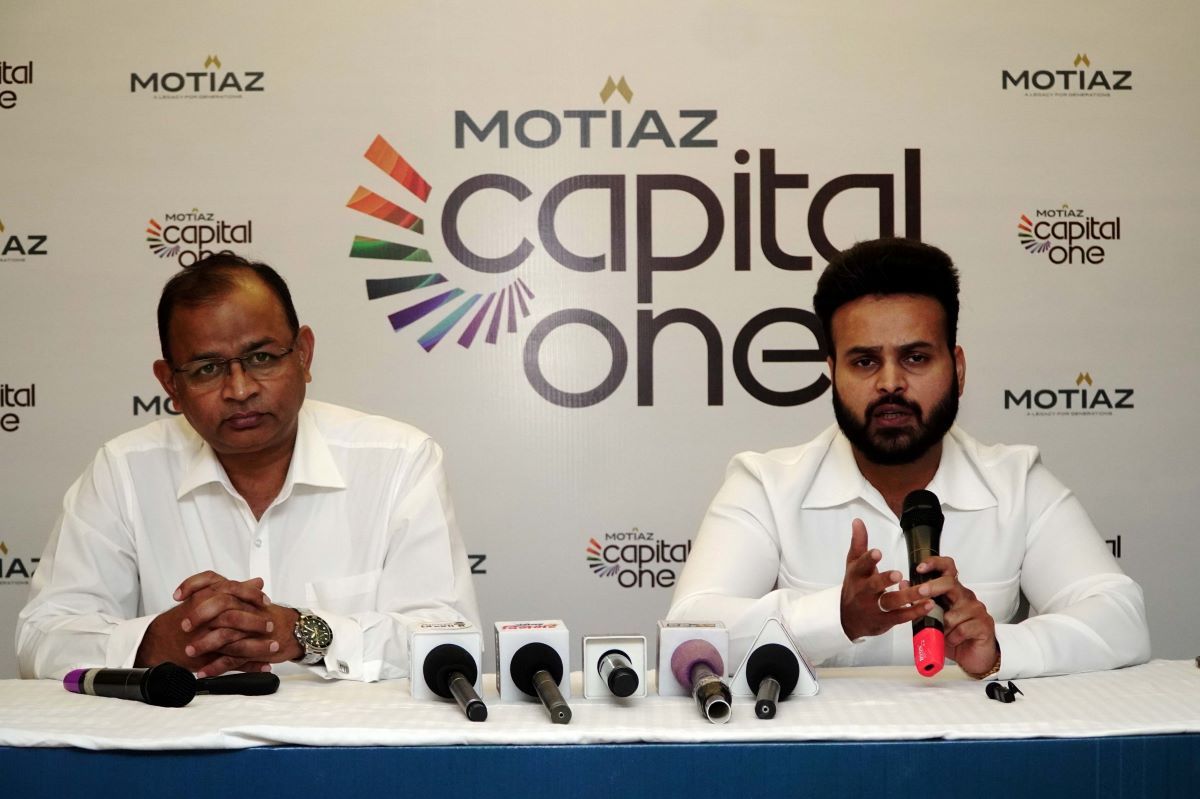
The first of its new age projects ‘Motiaz Capital One’ with the tagline ‘The City’s Happy Place’, a six-acre mix use commercial development strategically located at the prominent NH-7/Peripheral Ring Road 7 (Airport Road) junction in Zirakpur, was formally announced in a media interaction in Chandigarh on Monday (29.06.2026) by Motiaz Group’s young co-founder and Managing Director Mukul Bansal.
Motiaz Group co-founder and Managing Director Mukul Bansal (right) interacting with the media. On his right is group GM (Sales) Vijay Paul.
Taking over the mantle of steering the real estate group into the future from his father Pawan Bansal, Mukul, who was accompanied at the media interaction by the group General Manager (Sales) Vijay Paul, shared that the entirely plotted development was already underway with buyers in various stages of construction on their respective plots.
He further said that the project is designed around the philosophy of ‘More Than Retail. A Destination’, and will bring together premium retail brands, high-street shopping, signature restaurants, cafés, food outlets, entertainment spaces and modern office environments within one integrated development.
The 94 plots on offer are in two sizes 16.5 ft. x 66 ft. (50 in numbers, on which buildings with basement, ground+2 floors are to be constructed) and 15 ft. x 40 ft. (44 numbers, on which buildings with basement, ground+1 floor are to be constructed).
Sharing further details Mukul Bansal said all construction rights have been given to individual buyers with the promoter of the project retaining control of façade, which will be unique and one of its kind in Zirakpur, for maintaining the beauty of the mixed-use commercial development. Landscaping is also being undertaken simultaneously to enhance the ambience of the project, he added.
He claimed that ample parking space has been earmarked in front of every building, still leaving enough space for wide enough arterial roads. Entry and exit will strictly be from separate sides of the project.
Elaborating on the payment plan, he said buyers will have to pay 25% in the initial stage, and the rest will follow at various levels of construction and at completion.
A walkthrough of the project, designed by Vijay Kataria, the Core & Director of iedesign.in, and set for completion by 2030, was also run on the occasion.
Responding to a query, the group co-founder and MD asserted that buyers can expect a return on investment of at least 7%.
Emphasising on Motiaz group’s strong commitment towards the buyers, he said it will support them all the way, providing them efficient services and work to generate ample footfall by bringing in irresistible attractions like aspirational brands never experienced in the region, and organising regular festivals, events, premieres, et al.
The promoter has reserved land in the project for possibly developing on its own a separate multi-storey mix use building with a shiny all glass façade which along with retail, office, entertainment, hospitality and other spaces will also house the group’s corporate office for providing long term support to the project.
Apart from Motiaz Capital One, the group revealed its strong development pipeline across residential and commercial real estate. “Our upcoming projects include an ultra-luxury residential development in Zirakpur, a premium summer home community in Kasauli, and a residential township in Bathinda, where we have recently secured CLU approvals. We are also exploring the development of a modern retail destination in Shimla,” Mukul Bansal shared.
Among the other areas in Punjab where the group has expanded its presence are Nabha, Bathinda and Barnala.
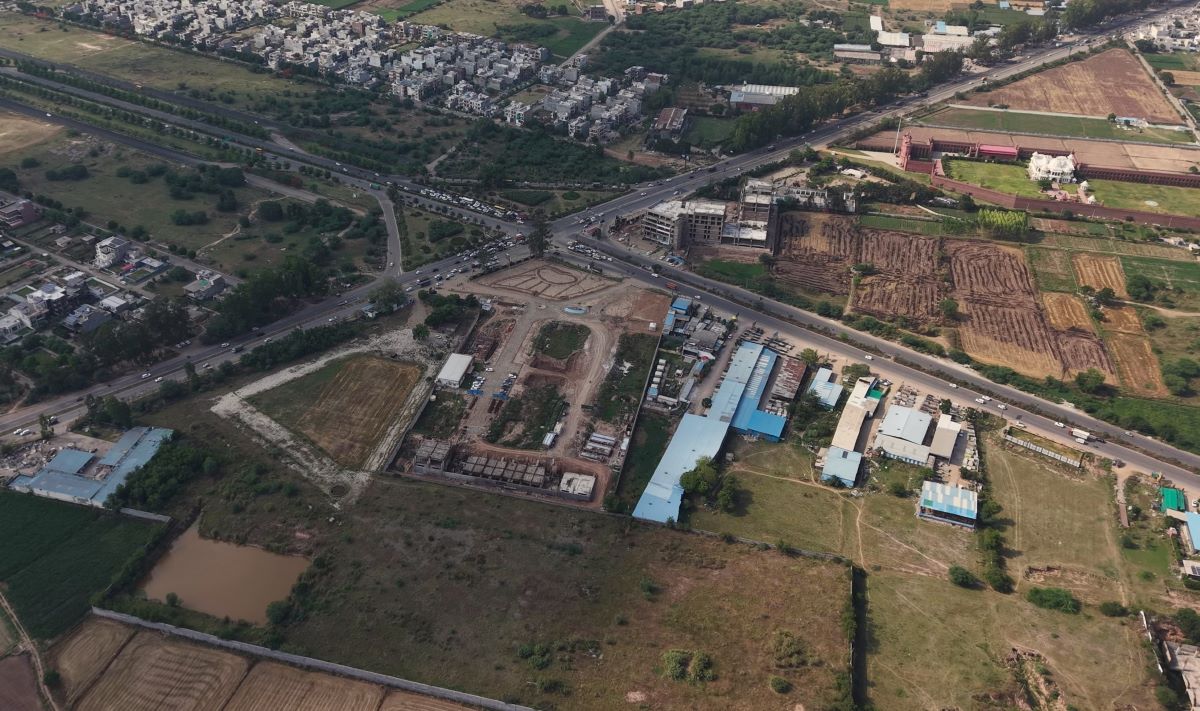
Aerial view of the current state of development at the site of Motiaz Capital One.
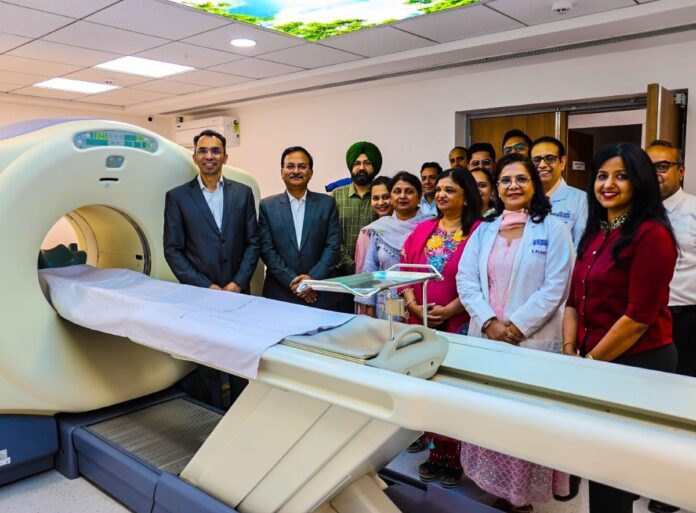
Advanced PET/CT formally inauguraged at Livasa Medcentre in Sector 71 Mohali on 16.06.2024. PHOTO By: Livasa Hospitals
Formally inaugurated by Mohali Civil Surgeon Dr Sangeeta Jain
The five-hospitals strong Livasa Group of Hospitals (formerly IVY) has added an advanced PET/CT scanner by General Electric to its Medcentre, in the vicinity of the Livasa Hospital in Sector 71 Mohali, to further strengthen Livasa’s comprehensive oncology ecosystem and enable faster, more accurate diagnoses, and support personalized treatment strategies for cancer patients across the region.
The high resolution and exceptional sensitivity of the PET/CT allow it to detect lesions as small as 0.5 cm, and quantitative tools make it possible to more accurately monitor therapy. It reaches beyond oncology with disease-specific tracers for neurology and cardiology.
One of the key advantages of this imaging modality is its exceptional image quality. The high image resolution allows for accurate detection and localisation of diseases such as cancer, neurological disorders and cardiac conditions.
The facility was formally inaugurated recently by Mohali Civil Surgeon Dr. Sangeeta Jain in the presence of Livasa Hospitals CEO Anurag Yadav, Senior Vice President–Operations Dr. Jatinder Arora, Mohali hospital Facility Director Dr Abhishek Garg, and Consultant Department of Nuclear Medicine Dr. Anupam Gauba.
Welcoming the addition of yet another PET/CT, Dr Jain said it further strengthens Mohali’s position as the healthcare hub of not only the Chandigarh tricity but the entire region.
Anurag Yadav and Dr. Jatinder Arora emphasised that “the PET/CT facility will significantly enhance our diagnostic capabilities and strengthen multidisciplinary cancer care by enabling clinicians to make informed treatment decisions with greater precision and confidence.”
Stressing on the clinical significance of PET/CT imaging, Dr. Anupam Gauba shared, “PET/CT has transformed the way cancer is diagnosed and managed. It provides vital information about both the anatomical and metabolic activity of tumours, enabling early detection, accurate staging, and better assessment of treatment response. This technology empowers clinicians to deliver more targeted and effective care while reducing uncertainty in clinical decision-making.”
However, he asserted that the PET/CT scan is recommended only after markers are highlighted in blood tests or ultra-sound.
He informed that to democratise accessibility of the PET/CT, they had competitively priced it at Rs 14,800.
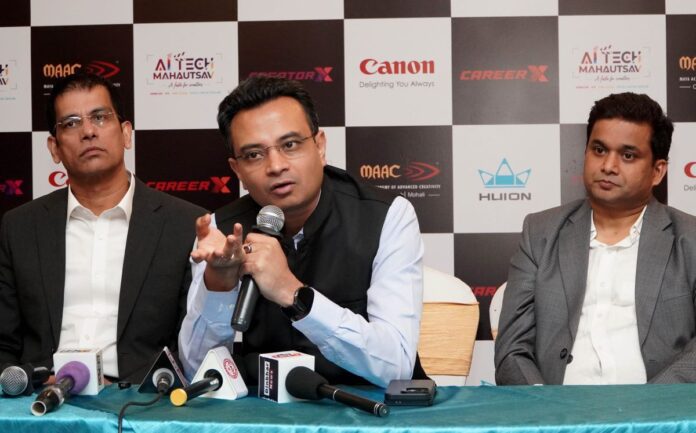
Abir Aich, Executive Vice President, New Initiatives & Technologies, Aptech Ltd, addressing media persons in Chandigarh recently. To his right is Sandip Weling, whole-time Director and Chief Business Officer, Aptech Ltd, and to his left Varun Roy, Business Partner & Centre Director, MAAC Chandigarh & Mohali. PHOTOS By MAAC & LifeInChandigarh.com
A brand of Aptech, the leading institute in high-end 3D animation, VFX, gaming, digital content creation and multi-media training enables students’ interface with leaders from the rapidly evolving AVGC-XR (Animation, Visual Effects, Gaming, Comics & Extended Reality) sector
Expert advice: Right time to hop on to the bandwagon when sector is poised for exponential growth with government formally recognising it as a key growth engine of the future
The expert speakers at AI Tech Mahotsav Tricity Edition 2026 share industry-relevant insights and emerging trends that are shaping the future of creative careers in media and entertainment
With expert sessions on advancements in film technology and creative careers, MAAC showcases how industry-aligned learning is shaping future-ready professionals
Industry witnessing explosive demand for high-quality digital content across films, gaming, advertising, and emerging immersive platforms
Newest MAAC flagship centre, spread over 3,000+ sq ft, opens in Mohali with latest studio and podcast facilities, further strengthening the network of 130+ centres across the country
With the formal recognition by the Union government of the Animation, Visual Effects, Gaming, Comics and Extended Reality (AVGC-XR) sector as a key driver of growth in the future, the Creative Economy or Orange Economy, as it has come to be known by, is set to generate a couple of million well-paying job opportunities, as the country prepares to potentially explosively transition from a back office destination to intellectual property (IP) creator.
It’s in this context that the recently concluded Chandigarh tri-city edition of Maya Academy of Advanced Creativity (MAAC) AI Tech Mahotsav 2026, held at Tagore Theatre, assumes significance.
The event brought together students, prospects, and industry experts for a focused day of learning, mentorship, and inspiration aligned with India’s rapidly evolving AVGC-XR sector.
Largely attended by students and aspirants from Chandigarh, Panchkula, Mohali and nearby hill states Himachal Pradesh and Uttarakhand, it blended discussions, keynote sessions, new launches, and student recognition, targeted at bridging the gap between academic training and industry readiness.
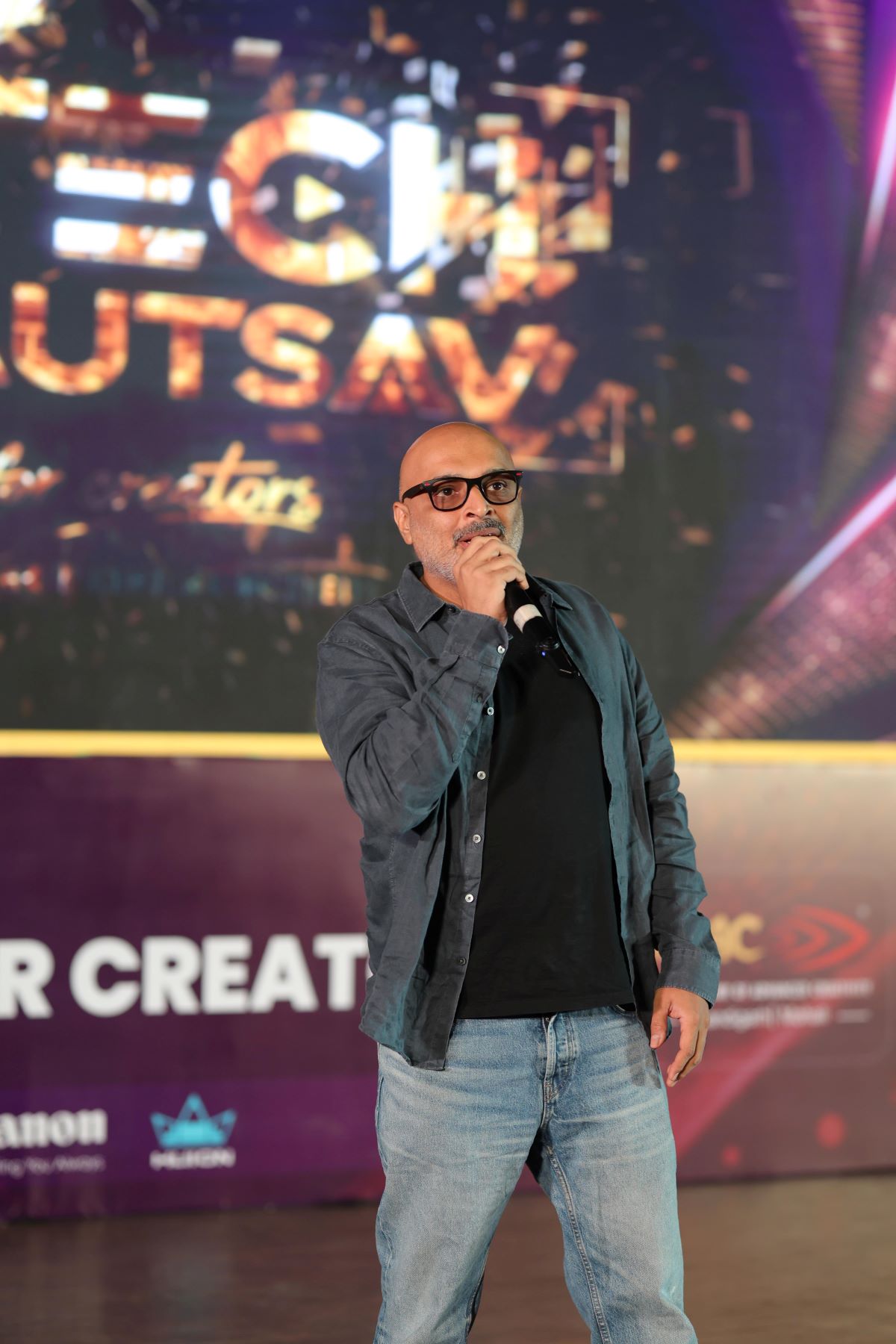
Anand Bhanushali Co-Founder & Managing Director, philm CGI, interacting with students at the MAAC AI Tech Mahotsav Tricity Edition 2026
In the presence of Aptech’s top management team, including Sandip Weling, whole-time Director and Chief Business Officer; and Abir Aich, Executive Vice President, New Initiatives & Technologies; and Varun Roy, Business Partner & Centre Director, MAAC Chandigarh & Mohali: leading industry experts Anand Bhanushali, Co-Founder & Managing Director, philmCGI; a representative of Canon India; and Vaibhav Kumaresh, Founder & Creative Director, Vaibhav Studios; held separate sessions.
Drawing from his extensive experience, Anand Bhanushali in his presentation ‘Invisible VFX by philmCGI’ highlighted how invisible visual effects play a crucial role in modern storytelling and how advancements in technology are continuously reshaping creative production workflows.
In another session ‘From Creator to Collaborator: How Big Brands Hire Creative Talent’, one of MAAC’s 16 top notch industry partners Canon India explained how brands today are seeking professionals who can combine creativity with collaboration, strategic thinking, and adaptability in a rapidly evolving content ecosystem.
Vaibhav Kumaresh presented before the audience a real-world perspective on the end-end journey of creating a feature length animated film ‘Return of the Jungle’, from self-funding to theatrical release slated for May 29 this year.
The participants also gained insights into evolving hiring expectations, the importance of building strong portfolios, and the need to develop both creative and technical capabilities to succeed in the industry.
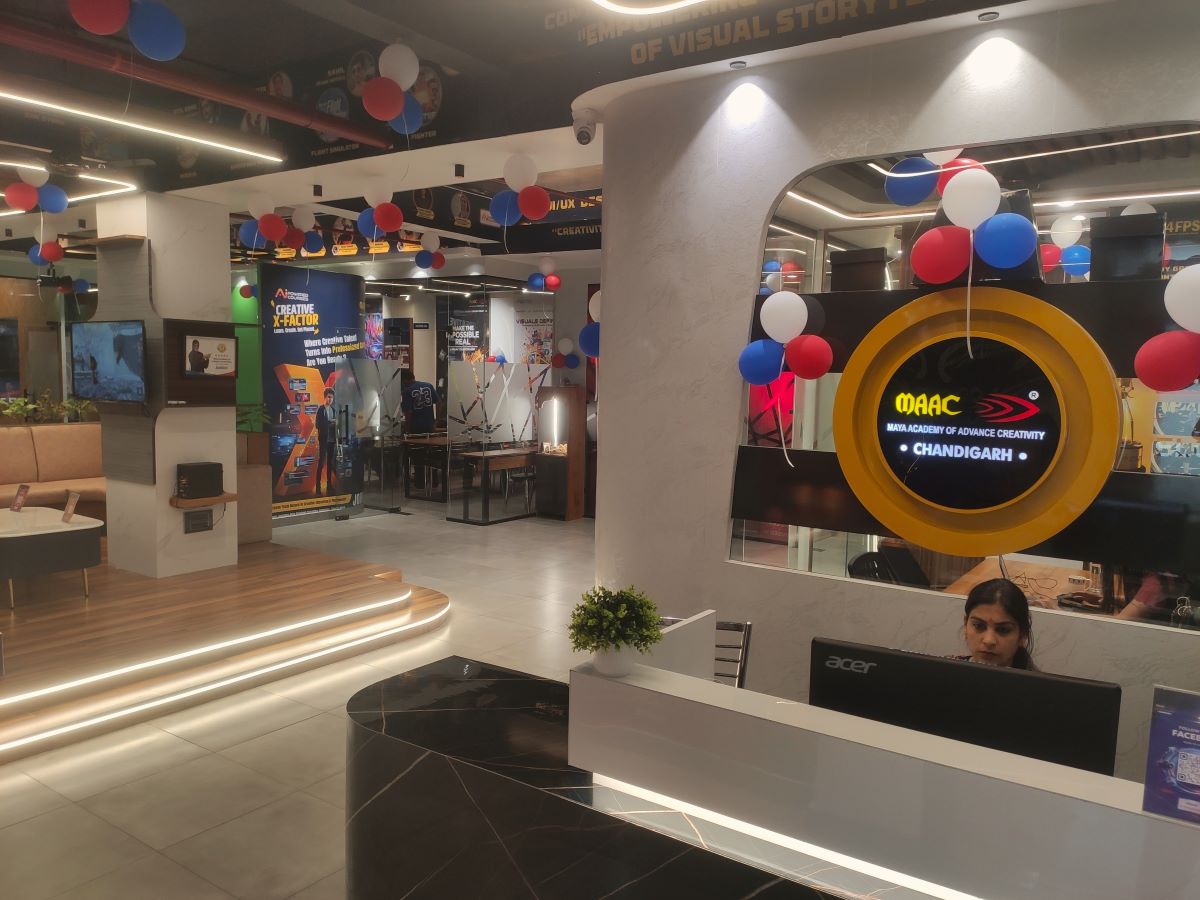
New MAAC Mohali flagship centre
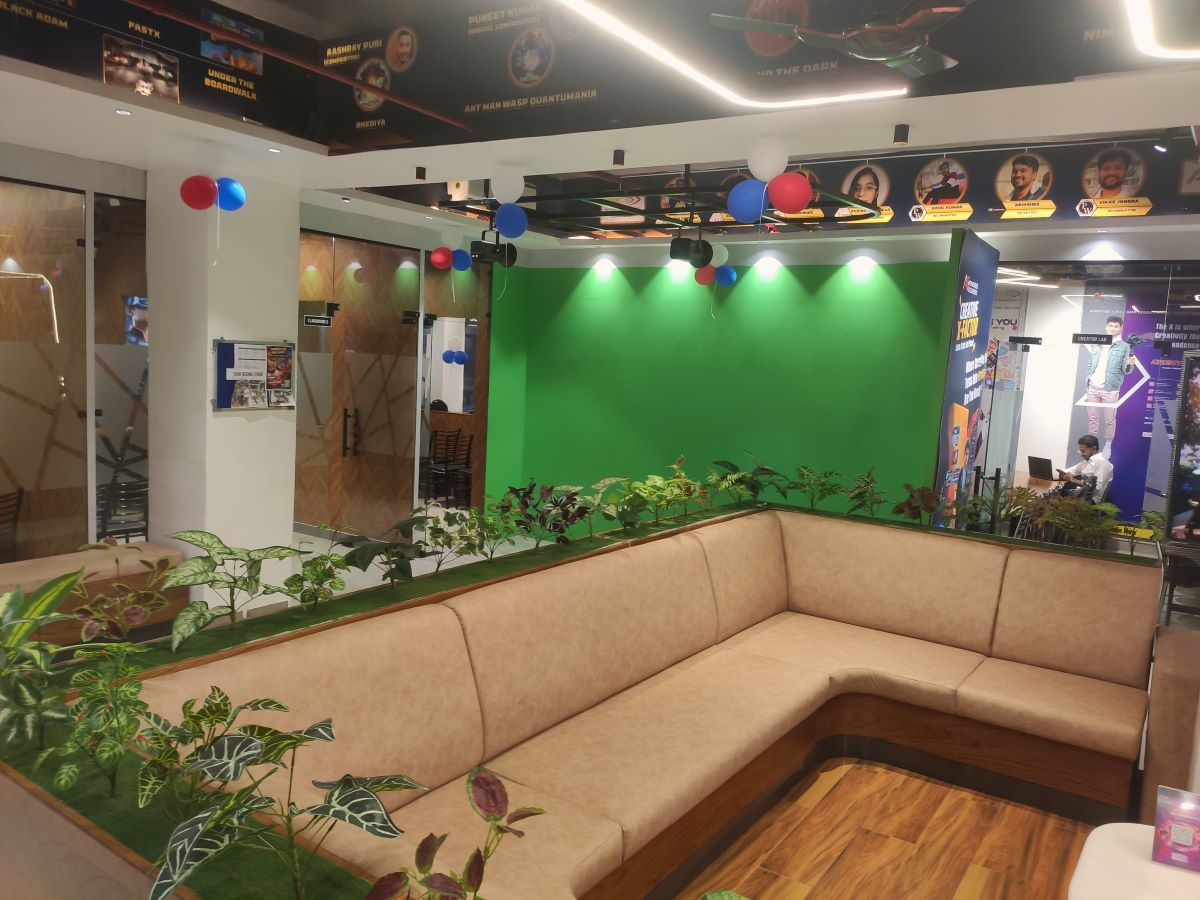
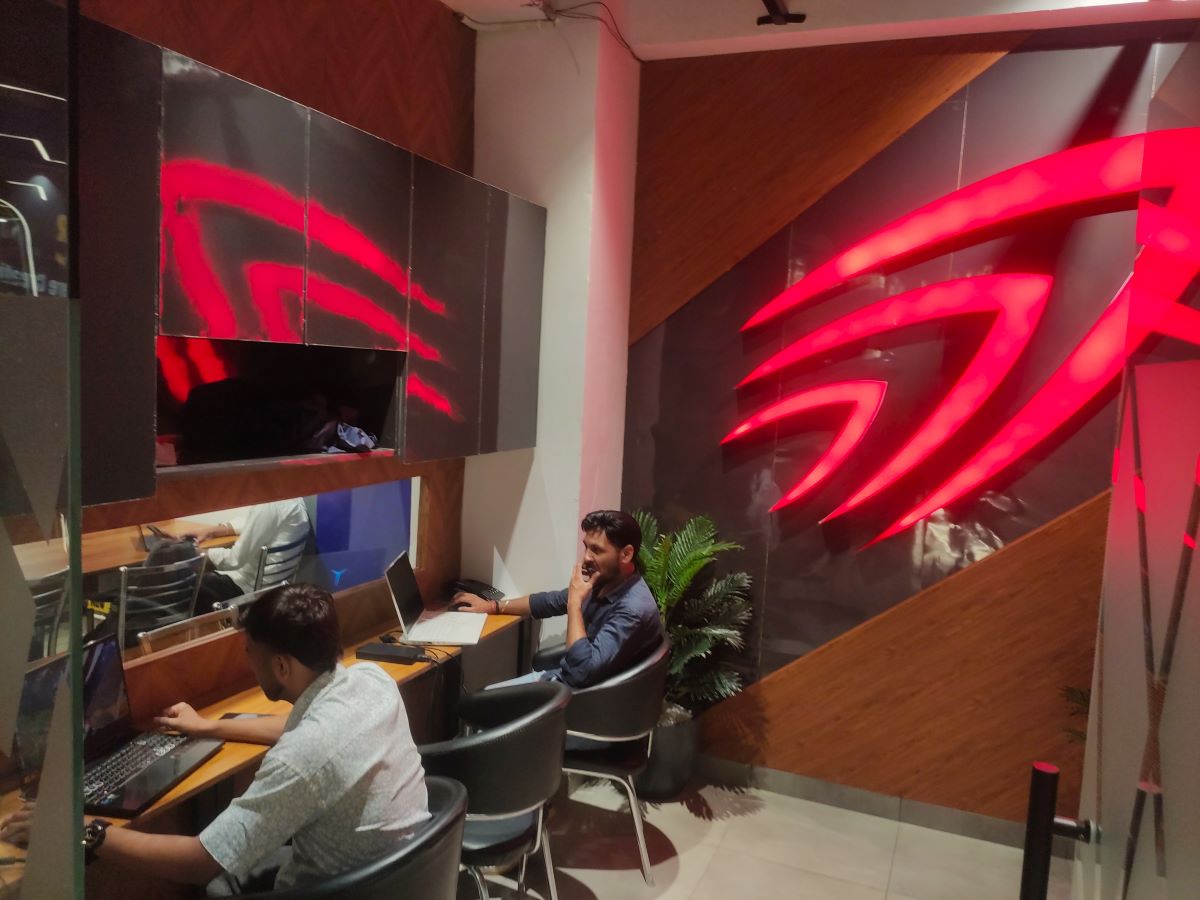
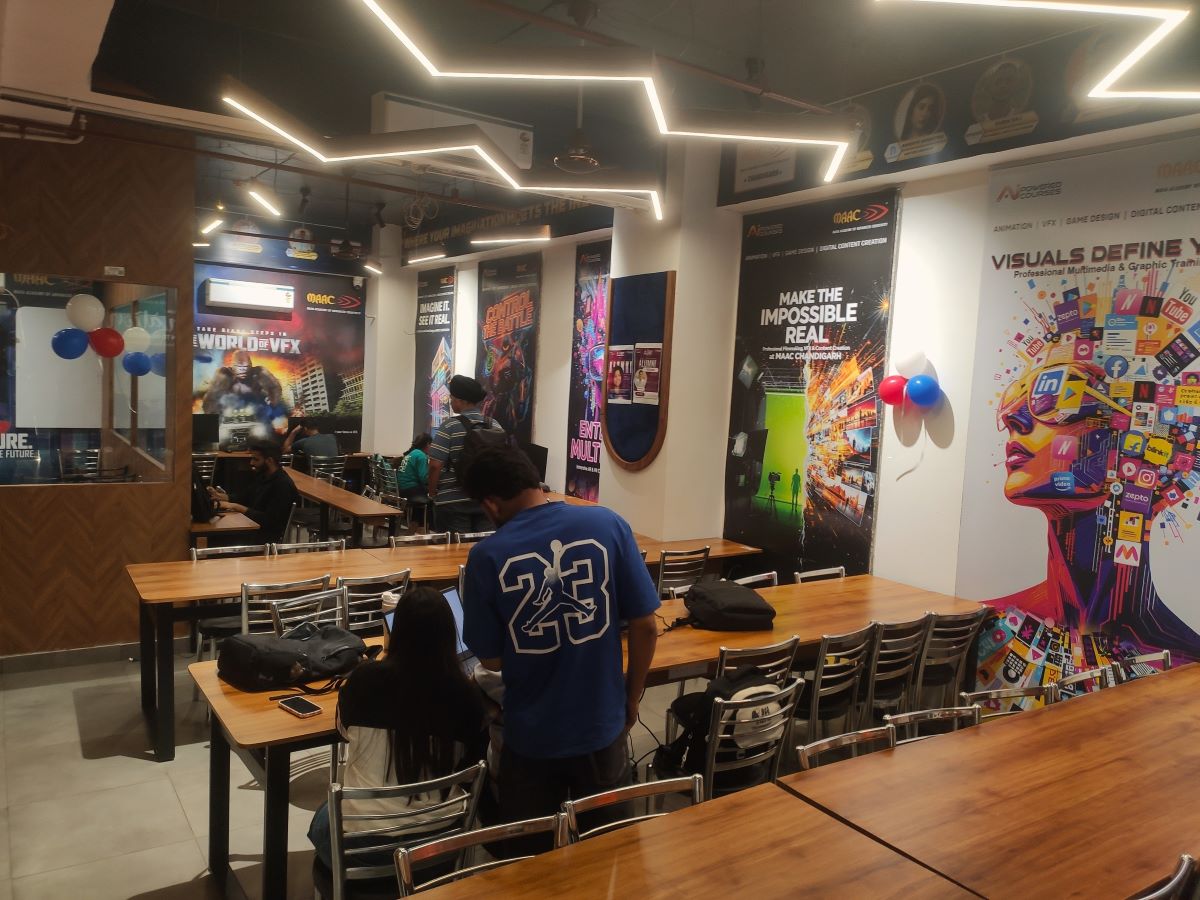
Later interacting with media persons, the Aptech and MAAC leadership team formally announced the opening of MAAC’s newest centre in Mohali equipped with state-of-the-art facilities, including chroma and green screen walls for a professional-grade VFX setup, and a dedicated podcast room to empower learners on their creator journeys.
The chroma and green screen wall for a professional-grade VFX setupDedicated podcast room
Sandip Weling, whole-time Director and Chief Business Officer, Global Retail Business, Aptech Limited, said: “At MAAC, our focus goes beyond technical training- we aim to nurture creative thinking, problem-solving abilities, and industry adaptability among students. MAAC serves as an important coach for learners to gain exposure to evolving technologies, global production standards, and real-world workflows, with such platforms enabling them to network effectively and transition seamlessly into real-world professional environments.”
Adding further, Abir Aich, Executive Vice President, New Initiatives & Technologies, Aptech Ltd, said: “MAAC’S future-ready curriculum equips students with global AVGC-XR skills. We have 16 top notch industry partners, which include leading animation studios, VFX houses, and production companies, to provide industry-aligned training and placement opportunities for students. Through our CareerX and CreatorX programmes, we collaborate with industry knowledge partners for curriculum co-curation and to facilitate real-world project exposure.”
Commenting on the new Mohali centre, Varun Roy, Business Partner & Centre Director, MAAC Chandigarh & Mohali, said: A specialized institution like MAAC, focusing on skill development that leads to rewarding work opportunities, is precisely what Mohali needs, given the ever-growing demand. We are thrilled to open our newest centre with the confidence that we will help shape the future of exceptional artists.”
Triggers for explosive growth potential
Prime Minister Narendra Modi’s slogan ‘Create in India, Create for the world’ positions AVGC-XR as a key growth and export pillar
AVGC-XR is now a formal industry
Strategic funding: ₹8,400+ crore Creator Economy Development Fund
Starup India Seed Fund: ₹945 crore for Creative Tech
Production incentives: Up to 30% cash rebate on Animation/VFX/Gaming. Bonus 5-10% for foreign co-production
States’ own AVGC-XR policies: 15+ states to have their own investment and incentives policies in place this year. Leading the charge are states like Maharashtra, Karnataka, Andhra Pradesh, Telangana, Kerala, Tamil Nadu, which have already announced infrastructure projects like AVGC Parks & Image Towers.
Target to train 2 million professionals by 2030
Global Animation, VFX, Gaming -XR market is positioned to surpass $300 billion by 2029, with significant opportunities in new media, interactive AR/VR content, and cross-platform entertainment experiences
Markets in Asia-Pacific, especially India, China, Japan, and South Korea, are driving much of this growth, with India rapidly emerging as a global creative powerhouse
Indian Institute of Creative Technologies (IICT) established in Mumbai on the lines of IITs & IIMs to build world-class talent and drive innovation in the AVGC-XR sector with key stakeholders being Union Ministry of Information and Broadcasting, Government of Maharashtra, and leading industry bodies FICCI & CII. It aims to reshape creative education through global partnerships with the likes of Netflix, Meta, Microsoft, NVIDIA, University of York, YouTube, Adobe, Jio Hotstar
AVGC education infrastructure planned to be further strengthened with the establishment of Content Creator Labs in 15,000 secondary schools and 500 colleges nationwide, supported by a ₹250 crore budget allocation
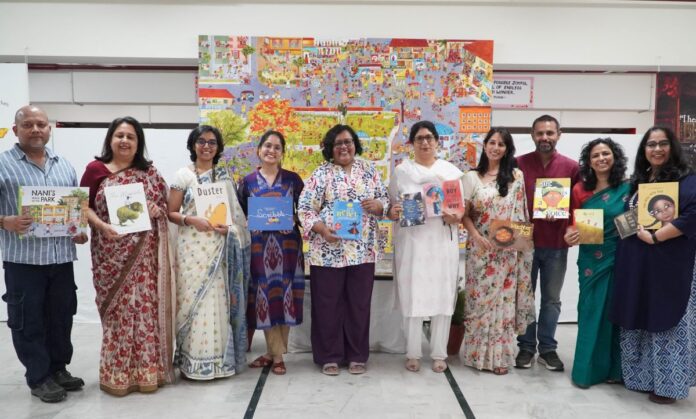
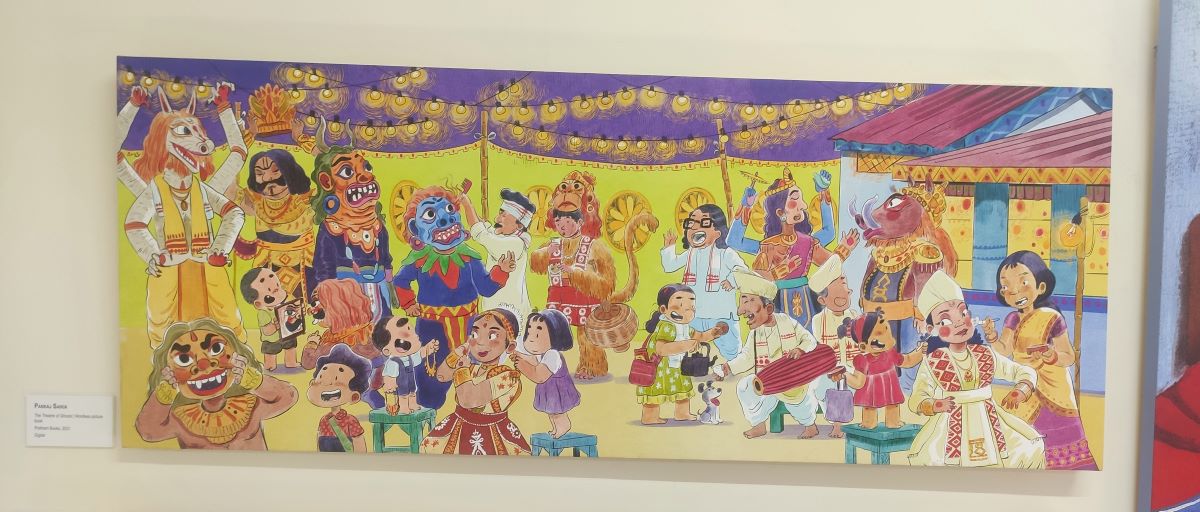
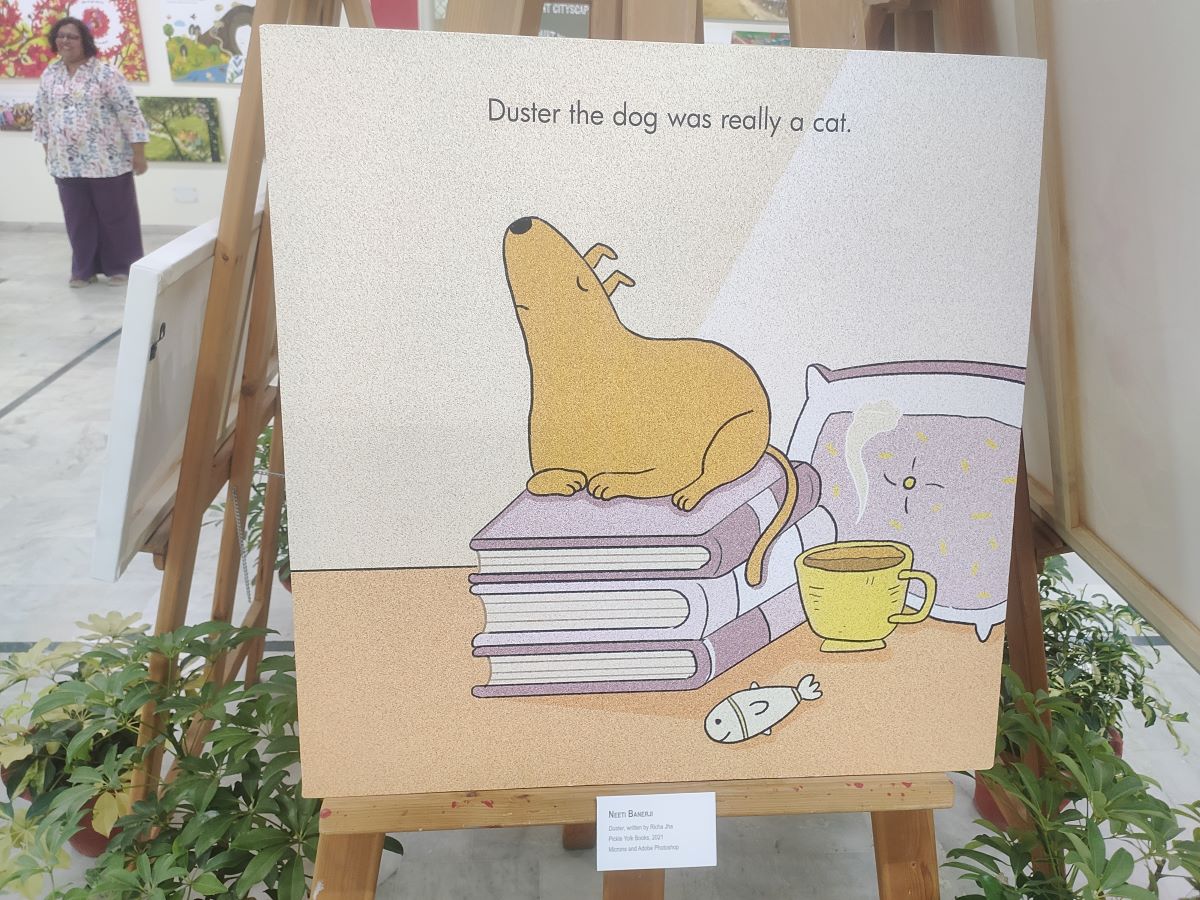
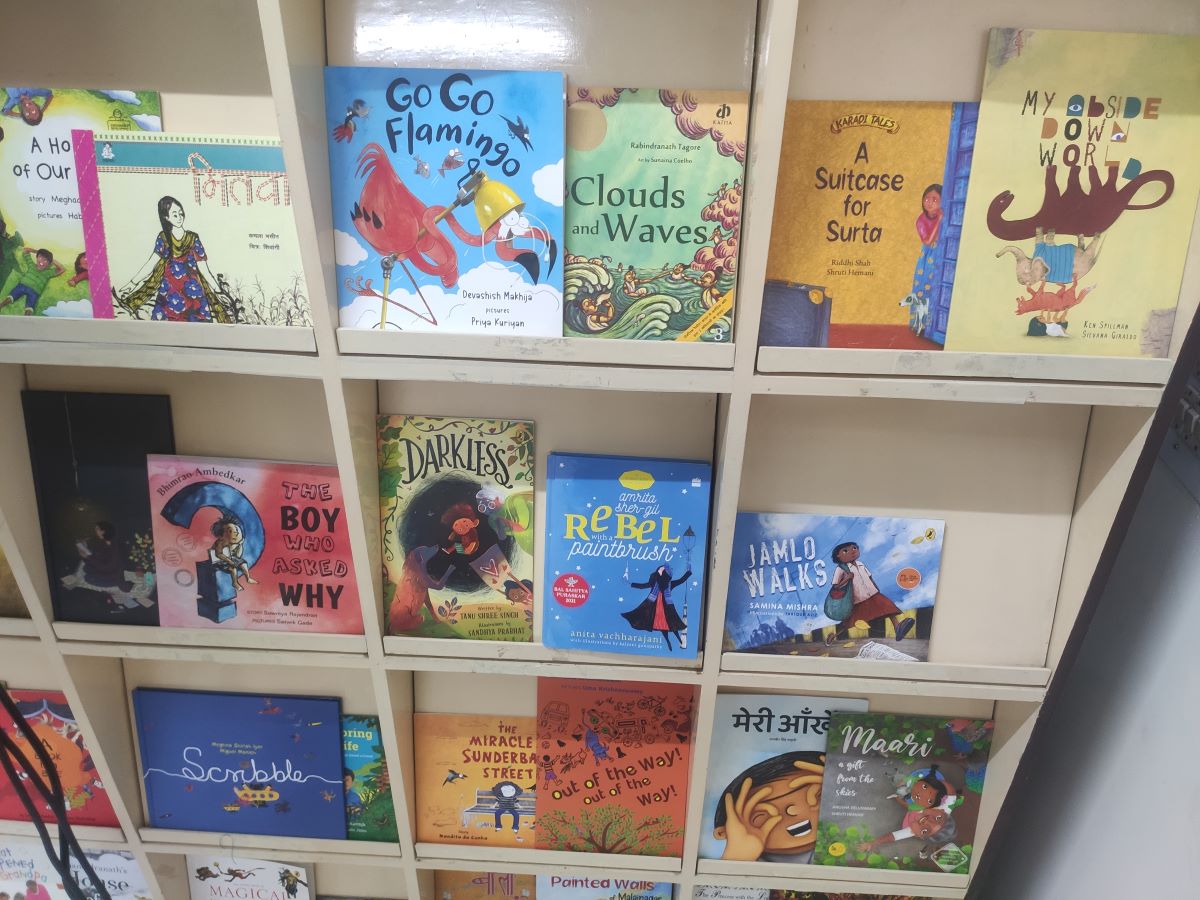
Members of St Kabir Public School-26 management, authors of children's books, illustrators & cartoonists pose for a photograph in the school basement library, venue for a landmark 4-day exhibition 'Becoming', PHOTOS By St. Kabir & LifeInChandigarh.com
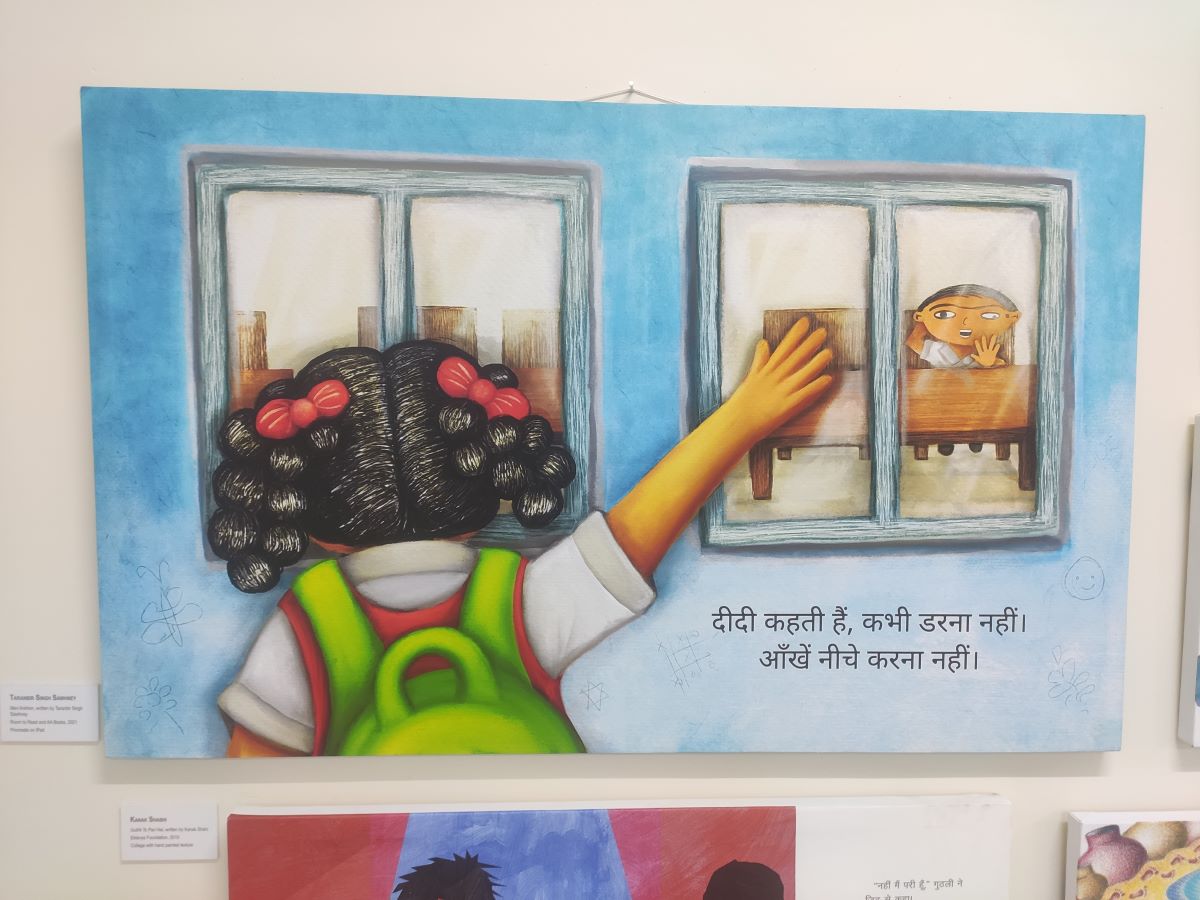
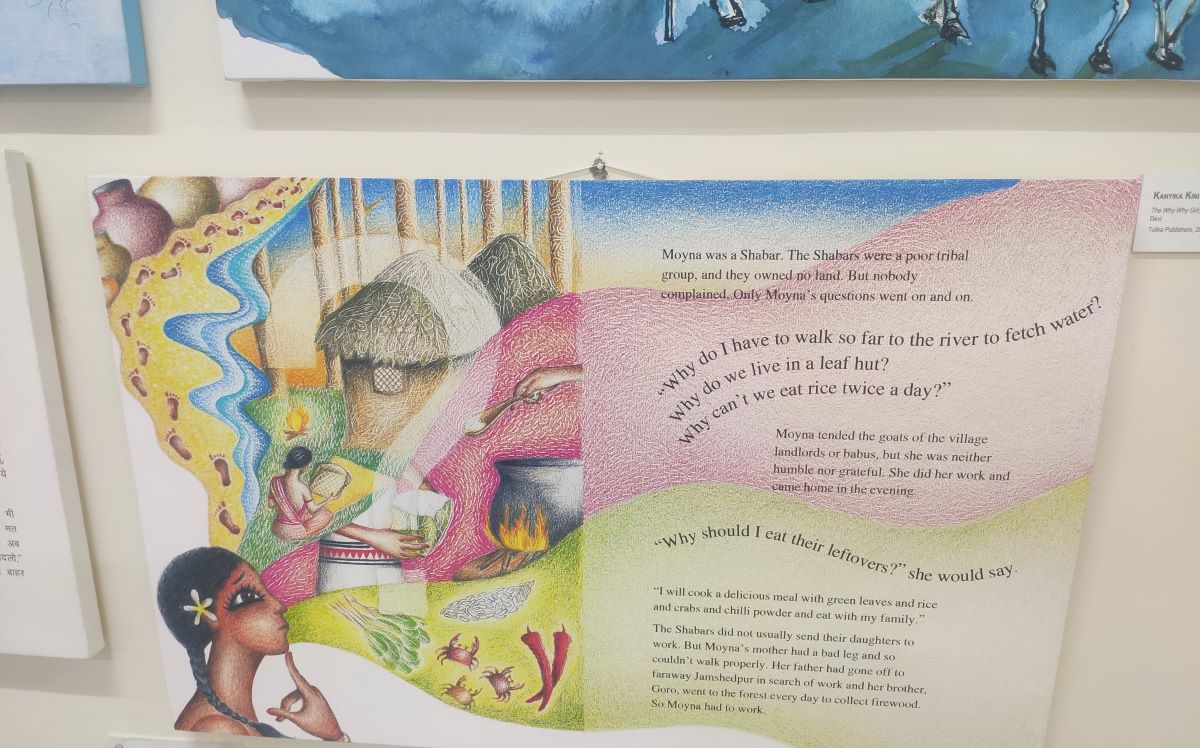
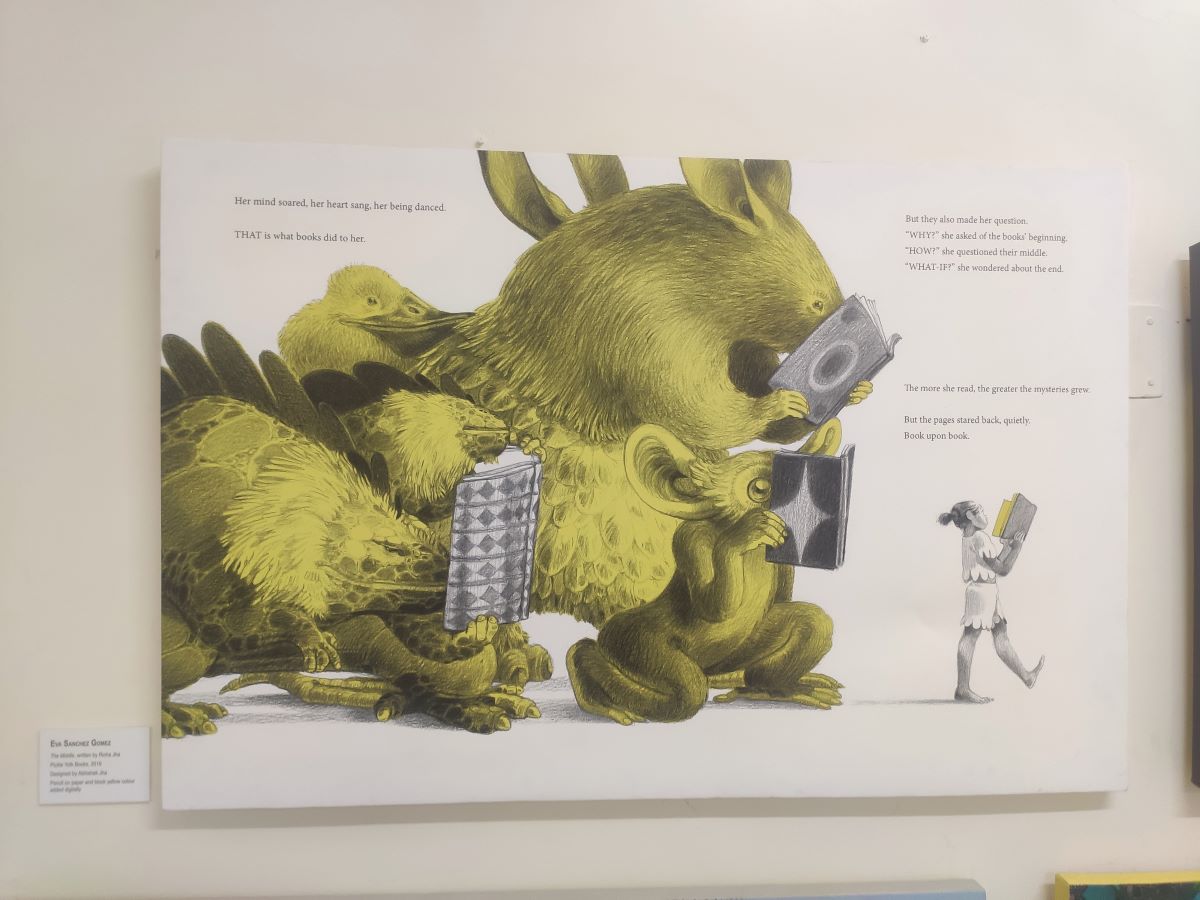
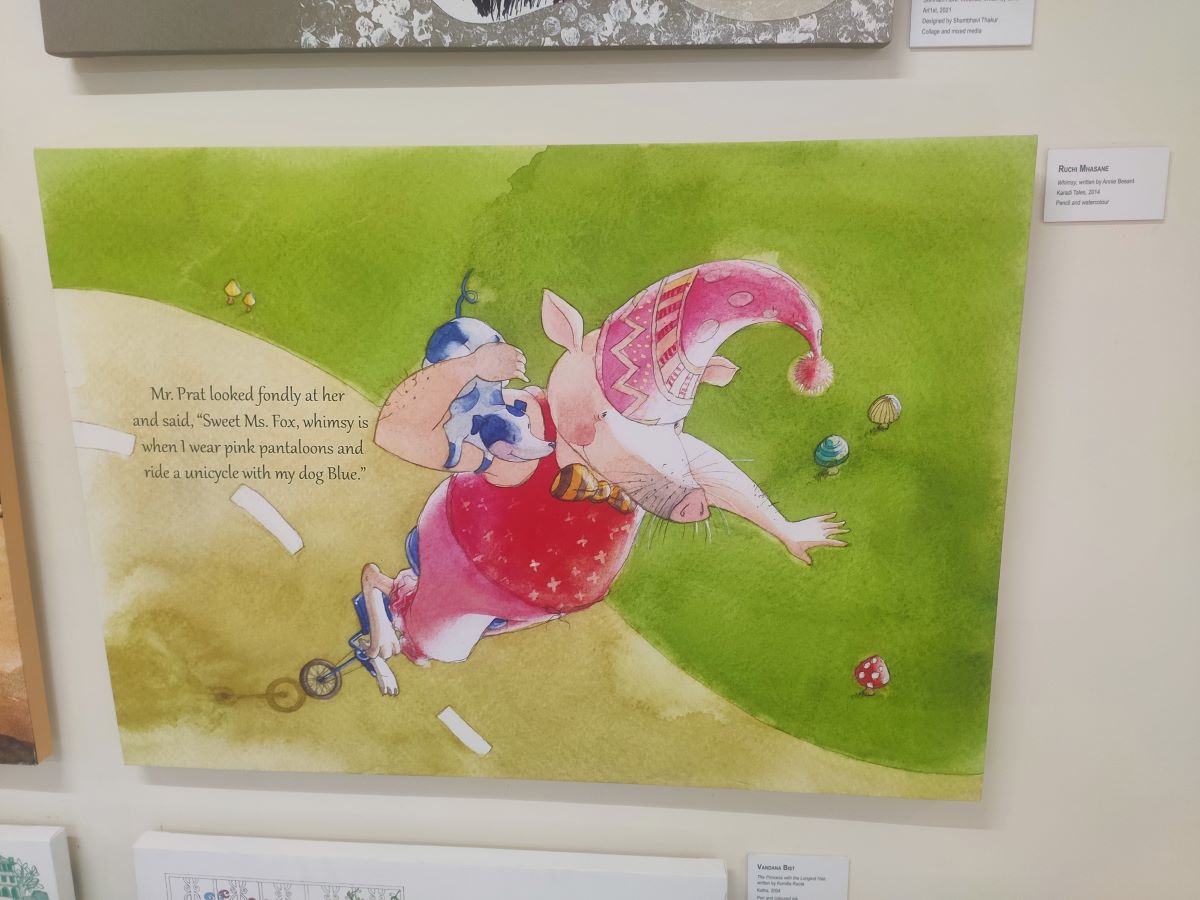
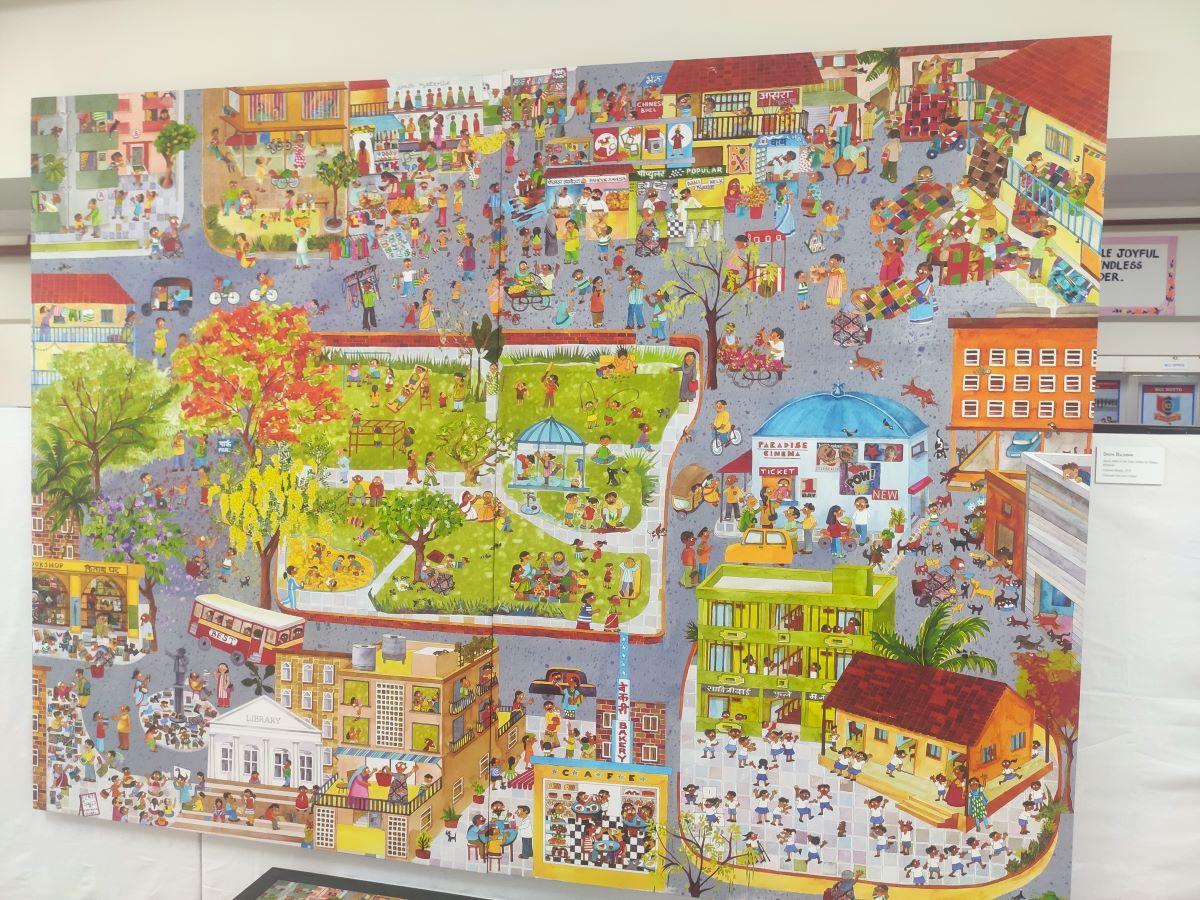
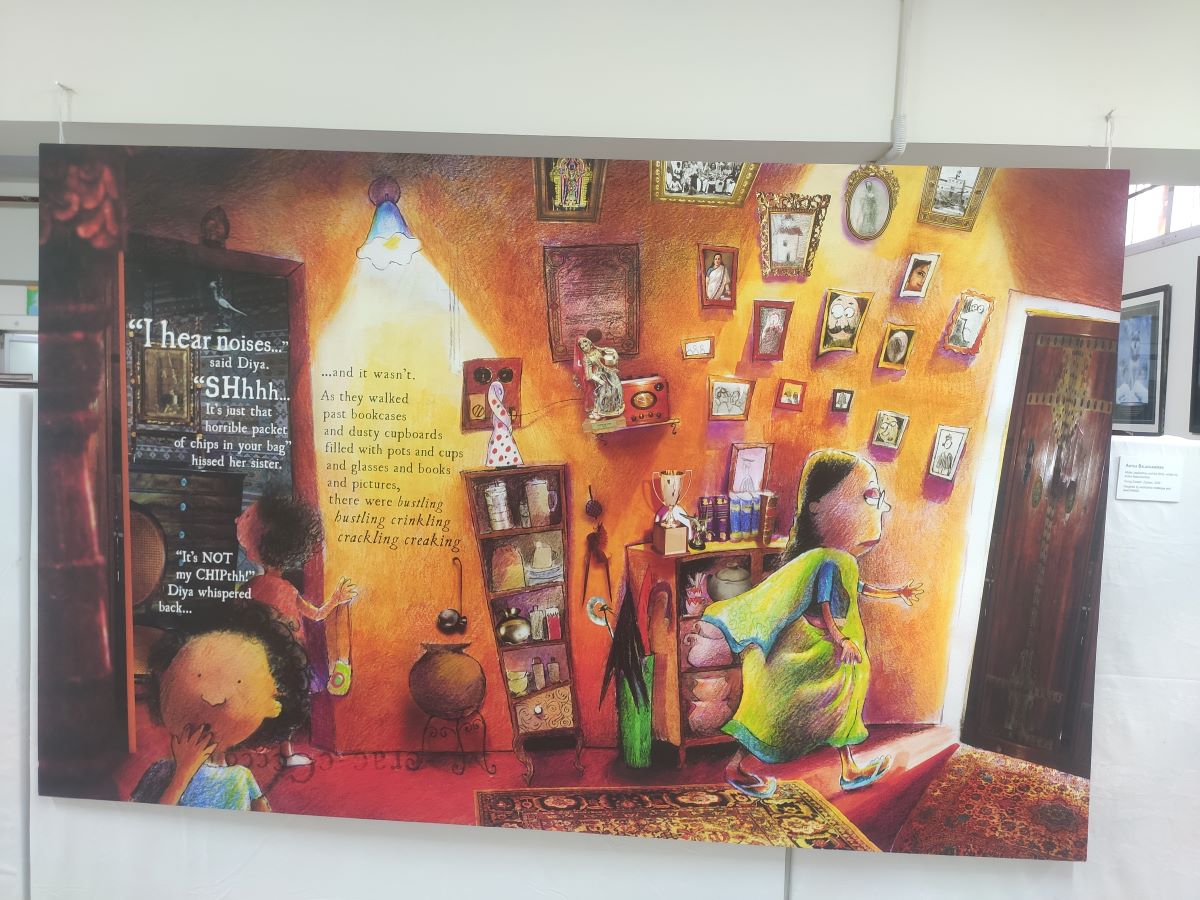
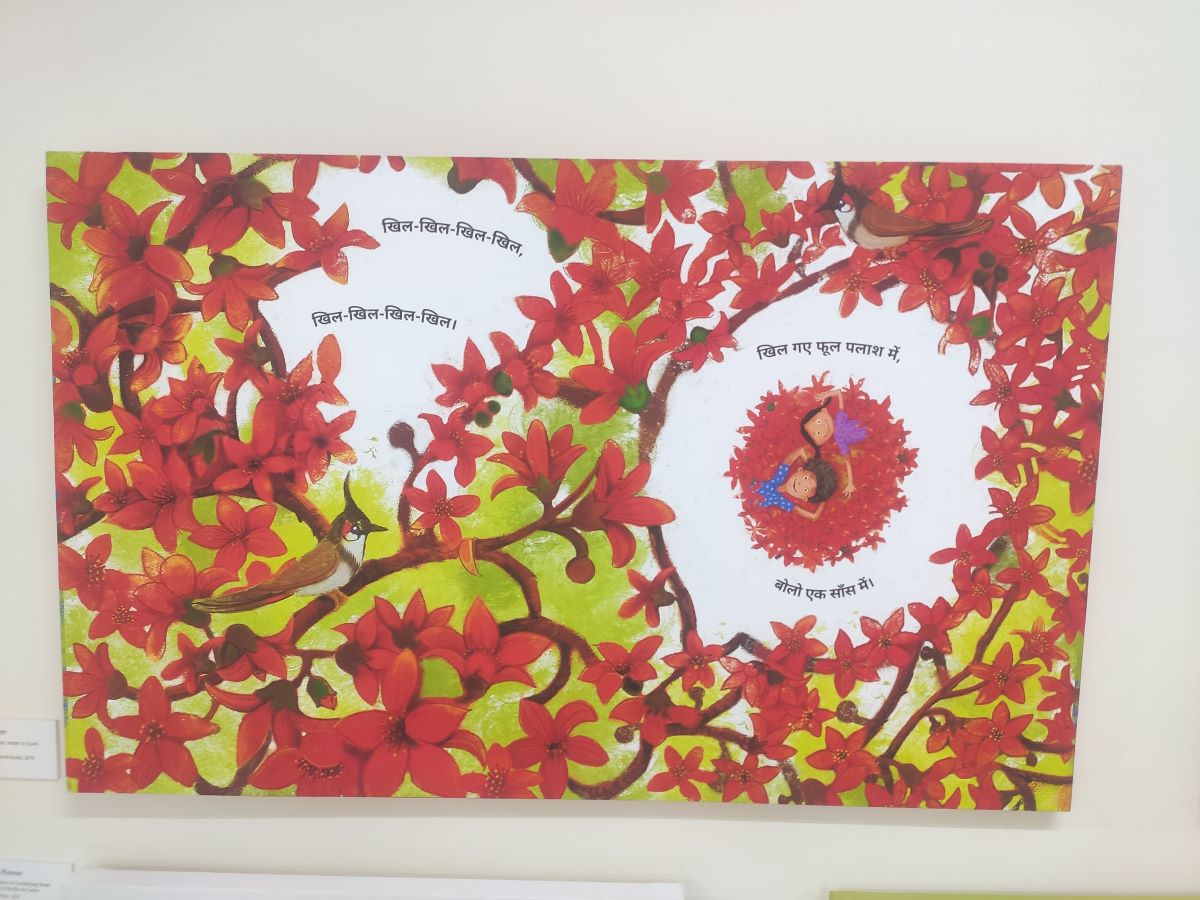
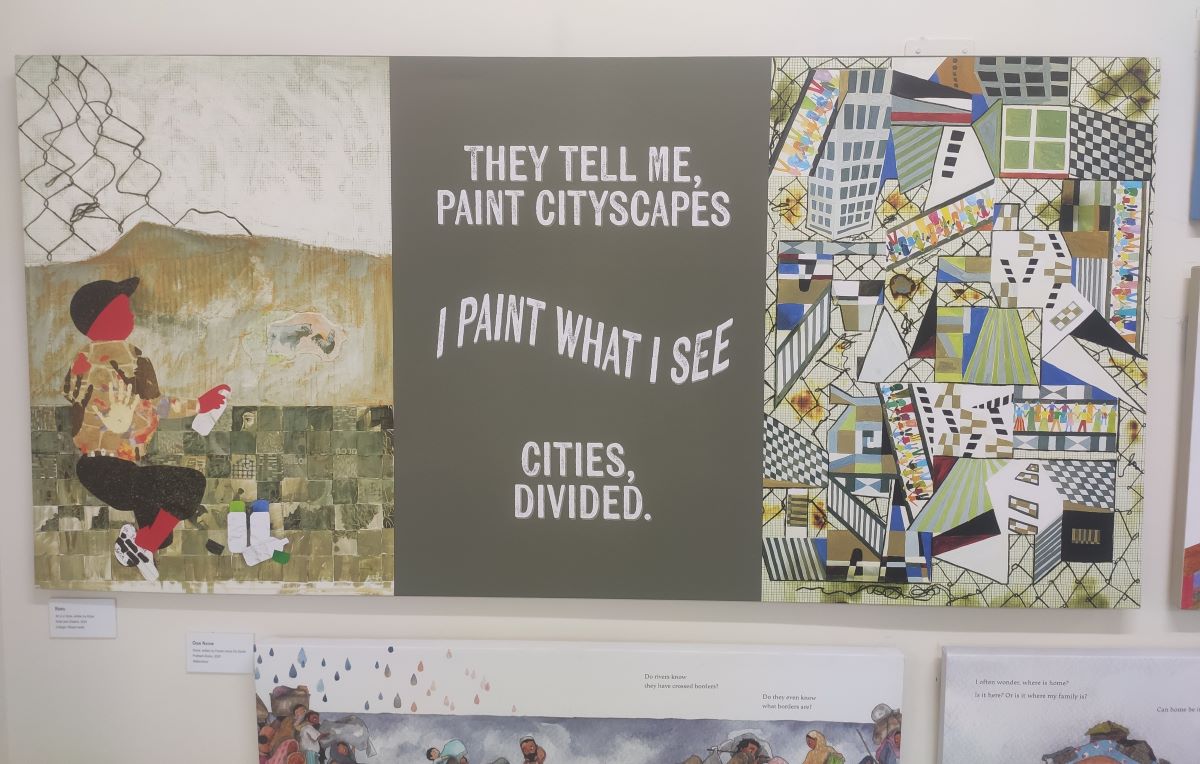
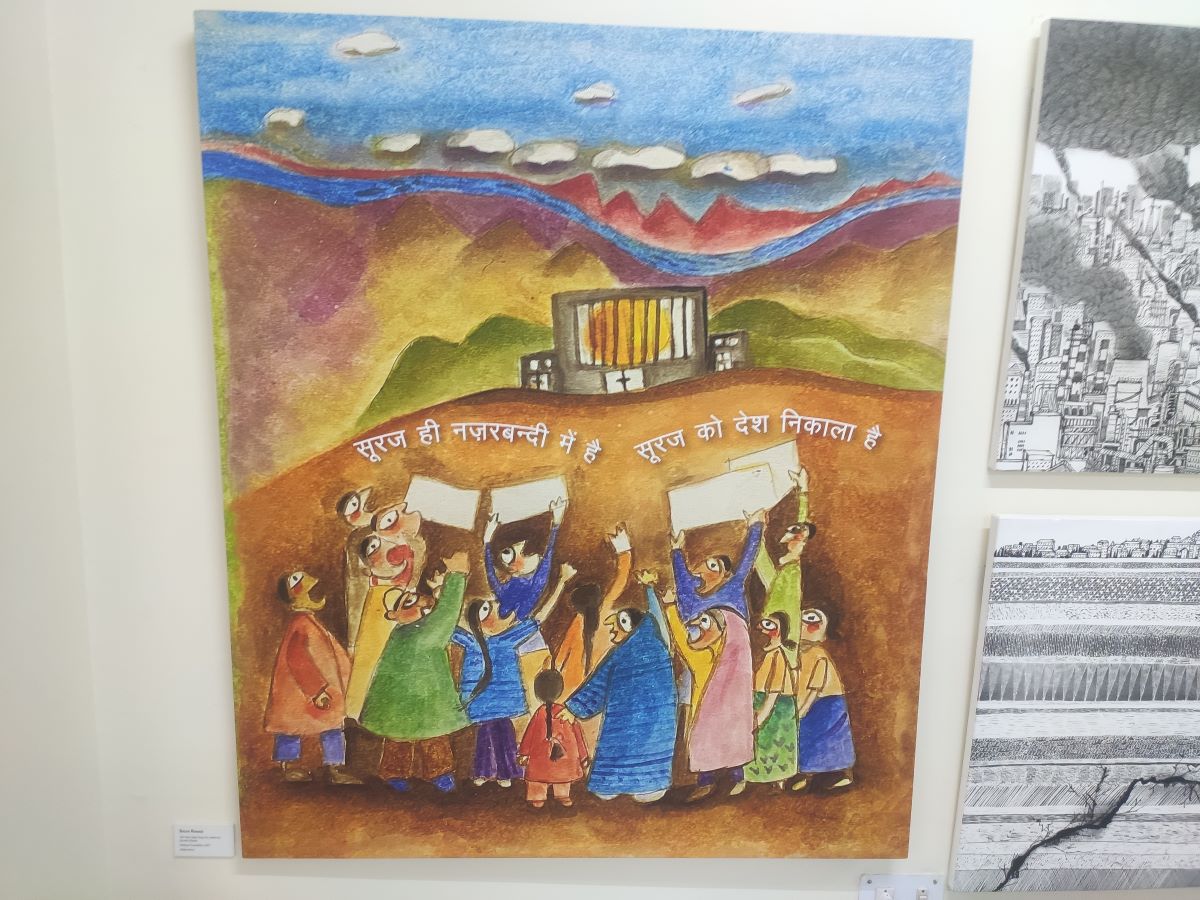
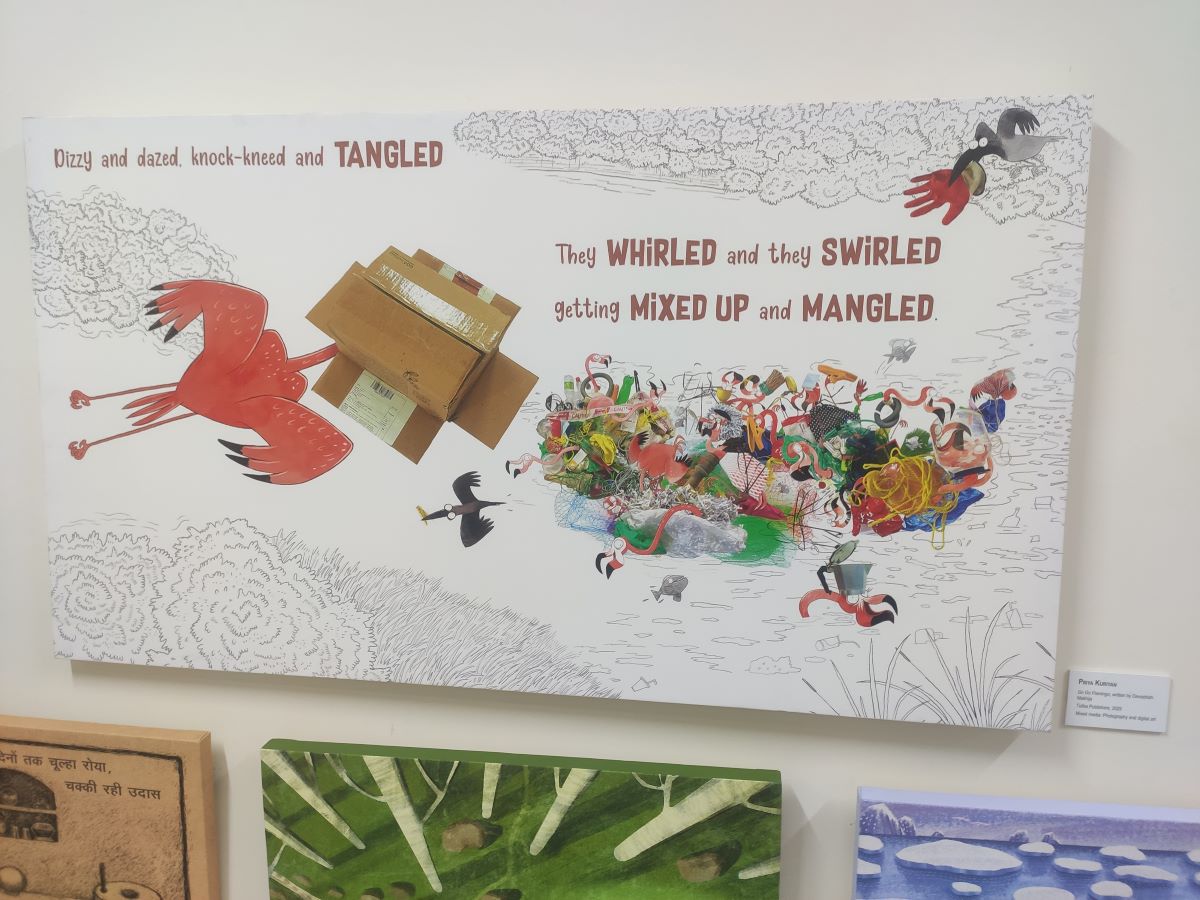
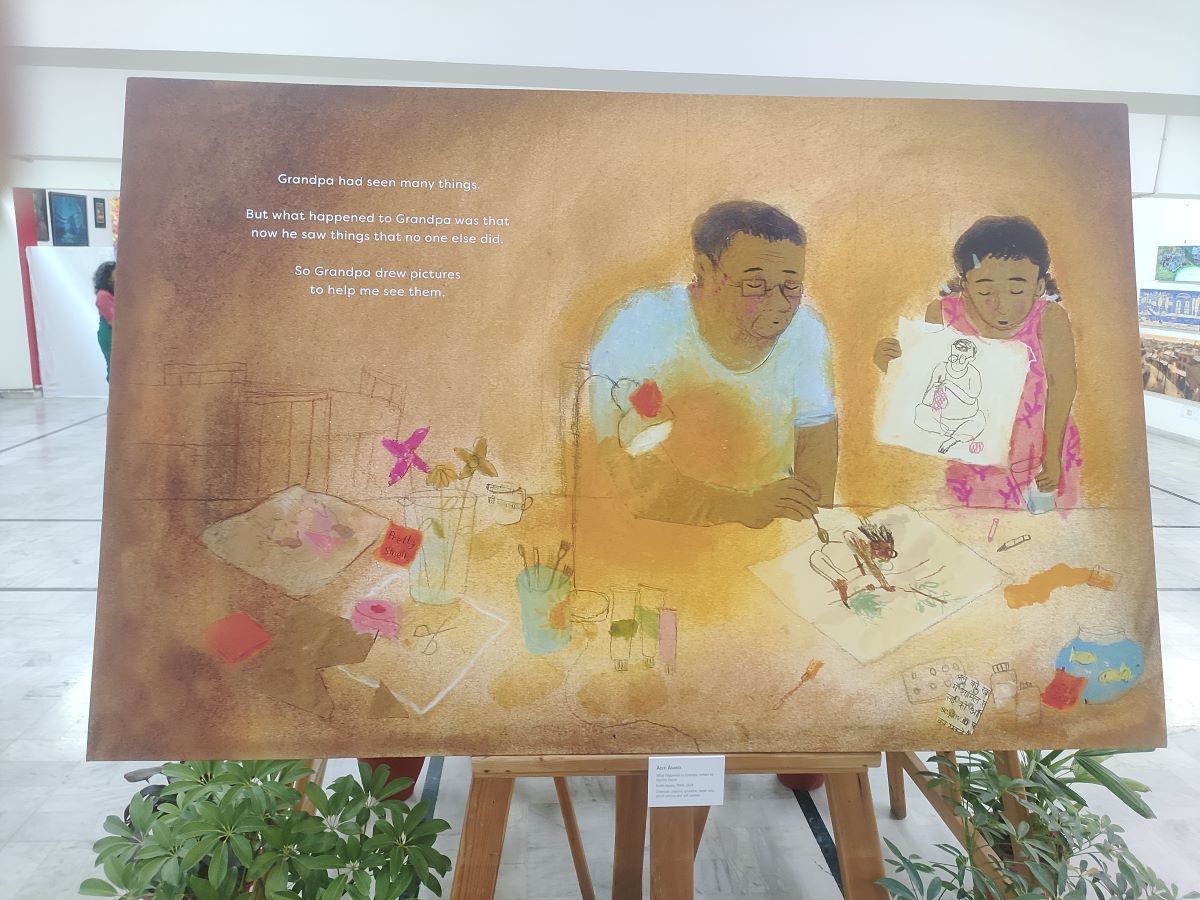
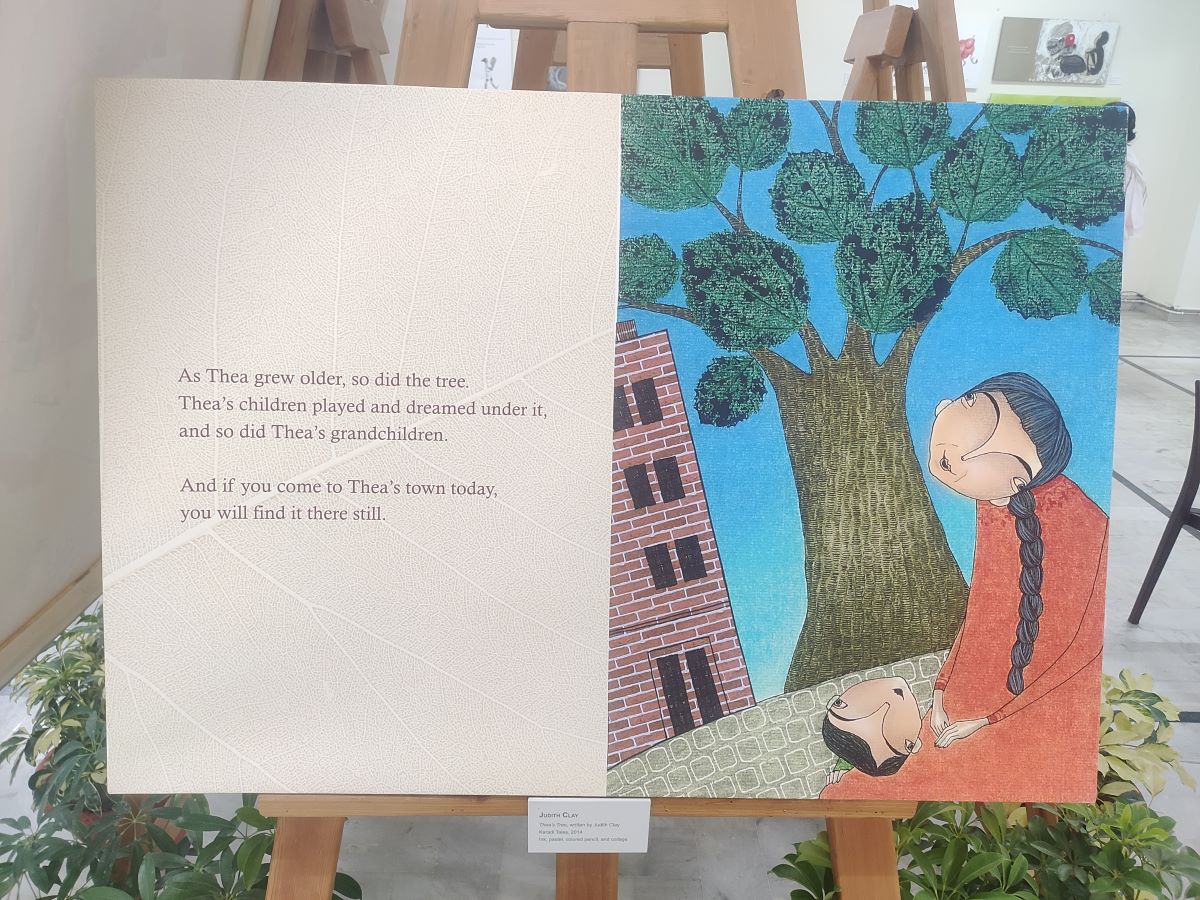
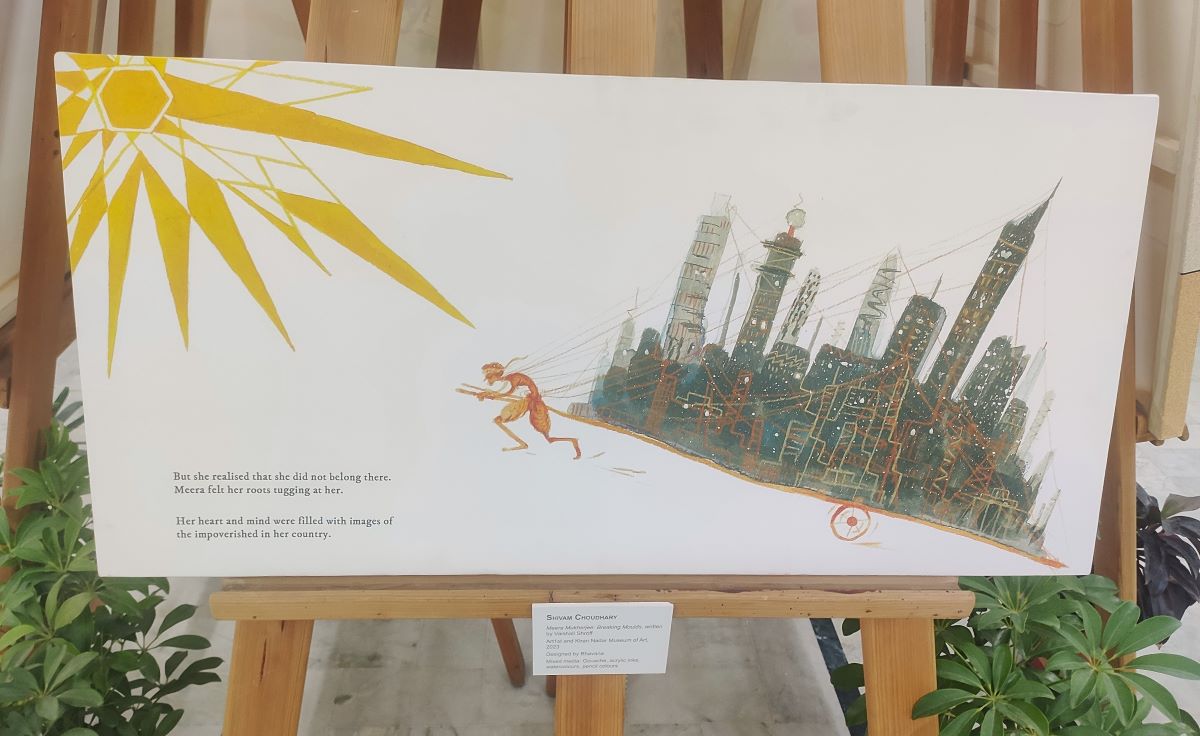
The 4-day exhibition, curated by award-winning author and publisher Richa Jha, and organised as part of the school’s annual Children’s Literature Festival, features around 70 artworks by more than 50 artists across 25 Indian publishers
Festival to see children’s authors, storytellers, illustrators and cartoonists from across the country engaging with 1,300-odd Grade I to XII students of the school, spotlighting illustration and visual storytelling
Exhibition open for limited hours each of the four days (till May 8) to visitors, both children and adults, from 2:45 p.m. to 4 p.m.
‘Becoming’, an engaging four-day exhibition that traces over 130 years of illustrations in children’s books in India will open in the basement library of St. Kabir Public School, Sector 26, Chandigarh on Tuesday (05.05.2026) as part of the school’s annual Children’s Literature Fest.
Open to visitors, both children and adults, during limited hours (from 2:45 p.m. to 4 p.m.) each of the four days till May 8, the exhibition, curated by Richa Jha, an award-winning author and publisher, is travelling beyond Delhi for the first time since its debut in 2025. A pop-up book shop will also be a centre of attraction at the fest.
Separate invites have also been sent out by the school management to other schools for their students to benefit from the landmark exhibition, which in the words of Richa showcases around 70 artworks by more than 50 artists across 25 Indian publishers, offering a rare and comprehensive glimpse into the evolution of children’s book art in the country.
The festival will see children’s authors, storytellers, illustrators and cartoonists keeping 1,300-odd Grade I to XII students of the school engaged in a vibrant celebration of stories, art, and imagination.
The Children’s Lit Fest was announced in an Interaction with media persons by Preeti Bakshi, Director, St Kabir Public School; Sapna Katoch, Principal, St Kabir Public School; Deeptha Vivekanand, Reading & Storytelling Lead, St Kabir Public School; Richa Jha, Curator (exhibition ‘Becoming’); author-illustrator Kripa; writer-illustrator Greystroke, and cartoonist & illustrator Rohan Chakravarty.
Vidya Mani and Muthamma Devaya, from Funky Rainbow, an independent bookshop and consultancy, also interacted with the media, focussing on Indian children’s literature.
Said school Director Preeti Bakshi about the initiative, “At St. Kabir, we believe education must continuously expand how children see and interpret the world. By placing art and illustration at the centre of our literature festival, we are encouraging students to engage with stories not just as readers, but as observers, thinkers, and creators.”
Principal Sapna Katoch added, “We have decided to give all literature enthusiasts of Chandigarh tricity a chance to witness the exhibition. ‘Becoming’ will be open to the public on all days of the festival from 2:45 p.m. to 4 p.m. Those interested can schedule a visit, by contacting the school administration.”
On the theme of this year’s Children’s Literature Festival, Deeptha Vivekanand said, “Centred on the theme ‘Art is a Voice,’ this year’s festival places a strong emphasis on illustration and visual storytelling, highlighting the often-overlooked role of art in shaping how children read, interpret, and connect with the world around them.”
Sharing further details of the exhibition, curator Richa Jha said, “the exhibition brings together works by pioneering figures such as Abanindranath Tagore, Sukumar Ray, Nandalal Bose, and Satyajit Ray, alongside contemporary illustrators including Atanu Roy, Kripa, Priya Kuriyan, Rajiv Eipe, Ruchi Shah, Shilpa Ranade, Sumanta Dey, and Taposhi Ghoshal. Together, these works reflect the diversity, innovation, and evolving visual language of children’s literature in India,” she added.
‘Becoming’, through the Lit Fest at St Kabir Public School has moved from a gallery setting at the India International Centre, Delhi, where it had debuted, to a school environment. The exhibition marks a shift from passive viewing to active engagement within a learning space.
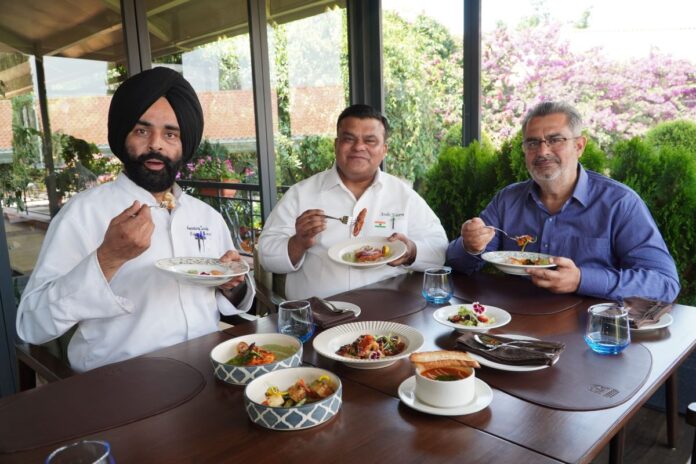
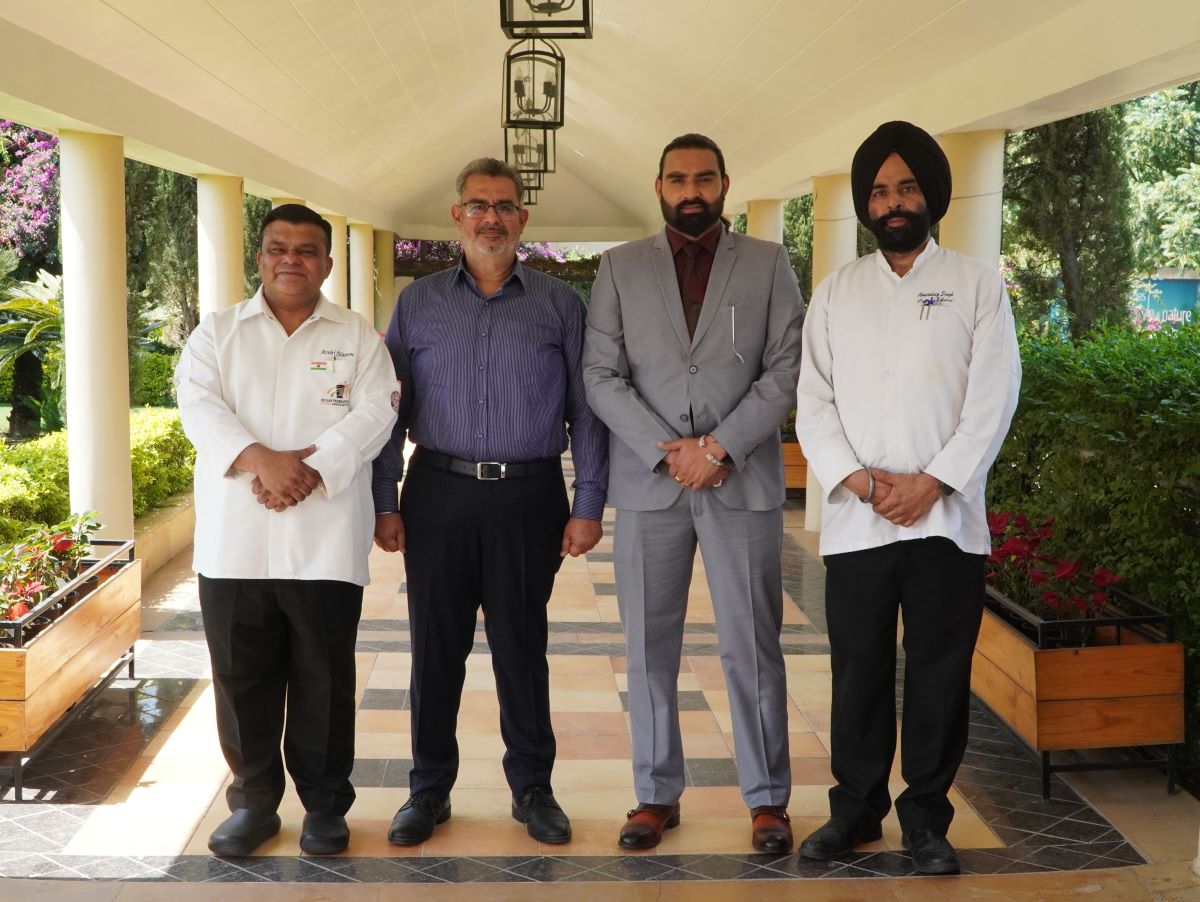
(L-R) Chef Amardeep Singh, Chef Arshi Naeem & Forest Hill Resort's Senior Director Devinder Sandhu showcase some signature culinary offerings at the all new Club House unveiled recently. PHOTOS By: FHR & LifeInChandigarh.com
Offers an indulgent culinary range in a unique estate dining setting, managed by Four Seasons Catering
FHR management announces plans for a reimagined 2000-acres FHR aiming to usher in era of luxury wilderness lifestyle
Strategic collaborations with global hospitality brands sewed up to offer a harmonious amalgamation of rich biodiversity and luxurious lifestyle
Mired in seemingly unending controversies for more than two decades over alleged violations of the environmental and forest laws, and still not completely out of the woods, the Forest Hill Resort (FHR) looks set to reimagine and reinvent itself as a retreat for stunning and luxurious wilderness lifestyle.
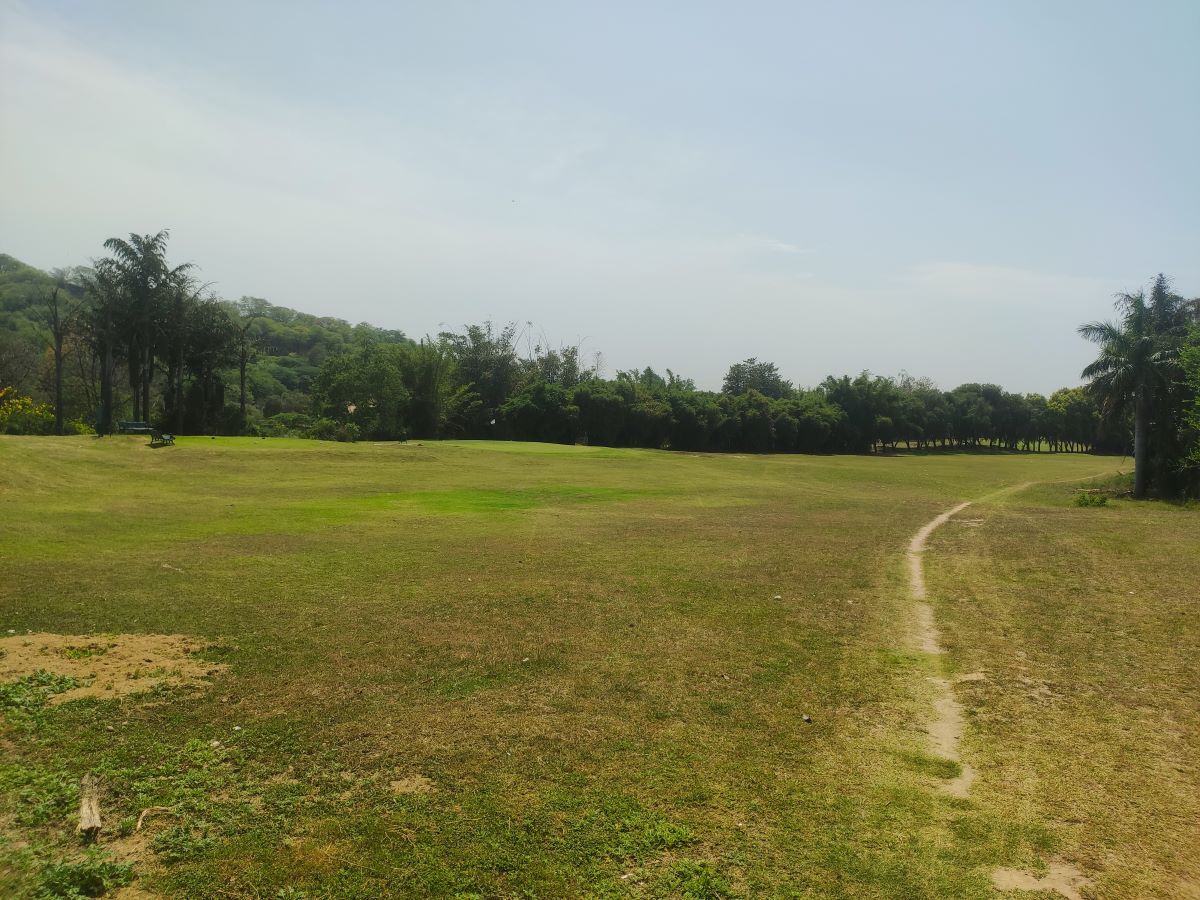
International collaborations have been sewed up to convert its mind-blowing 2,000 acres of contiguous landscape in Karoran and Nada villages, abutting the Union territory of Chandigarh, into a world class ecotourism project. The resort has assets unmatched by any other in the region, marked by undulating terrain, mud hills, dense vegetation, myriad flora and fauna, a meandering golf course with a golf range and academy, large water bodies, and not to forget the seasonal stream Patiala Ki Rao originating in the Shivalik Ranges and running through it.
Enhancing its idyllic surroundings is the bordering 6500 acres of Sukhna Wildlife Sanctuary and the backdrop of the scenic Shivalik ranges.
FHR Senior Director Devinder Sandhu (2nd from left) and General Manager Karan Datta flanked by the two chefs pose for a photograph
The management of FHR, part of the WWICS Group, recently invited select media over to unveil a new look classy and luxurious club house of the Forest Hill Golf & Country Club, designed by the world renowned hospitality architecture and design firm Wimberley, Allison, Tong & Goo (WATG), which is also doing the architecture and design of the rest of the Forest Hill Golf Resort.
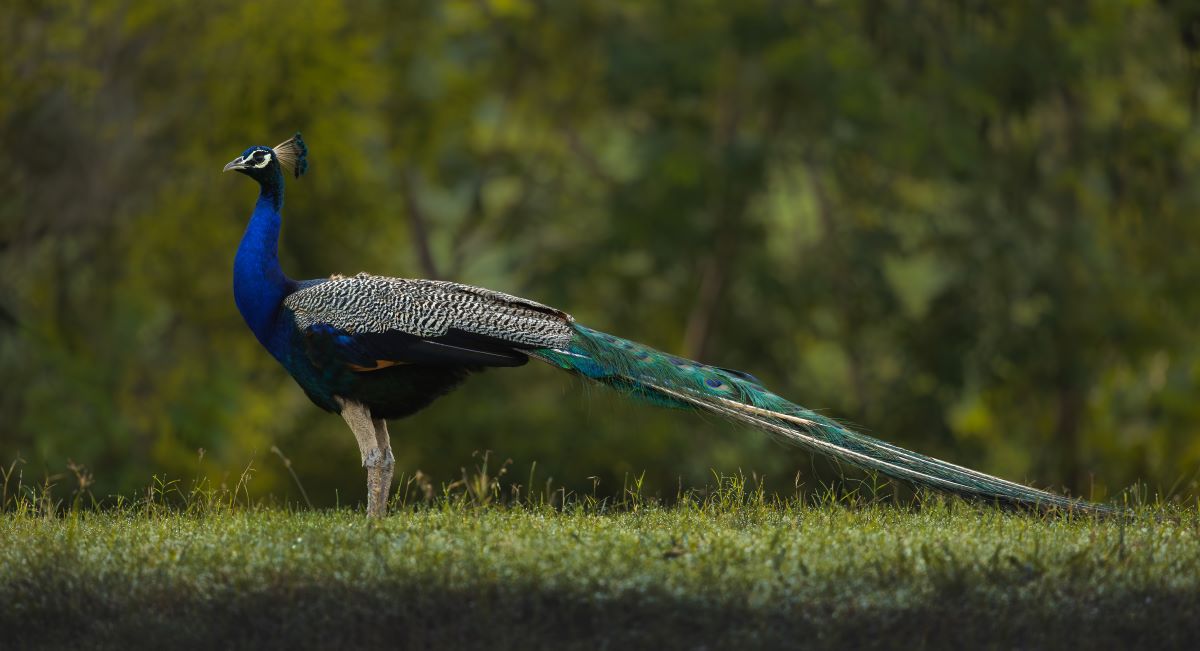
Your own news portal LifeInChandigarh.com also availed an opportunity to take a two-hours long escorted tour of sections of the 2,000 acres property. The experience was purely ecstatic and overwhelming – meandering muddy tracks, some with a steep gradient, through thick vegetation and wooded areas, valleys, past large water bodies, and sections of the golf course, with loud and piercing calls of peacocks being omnipresent wherever we drove in a 4X4 wheeled drive.
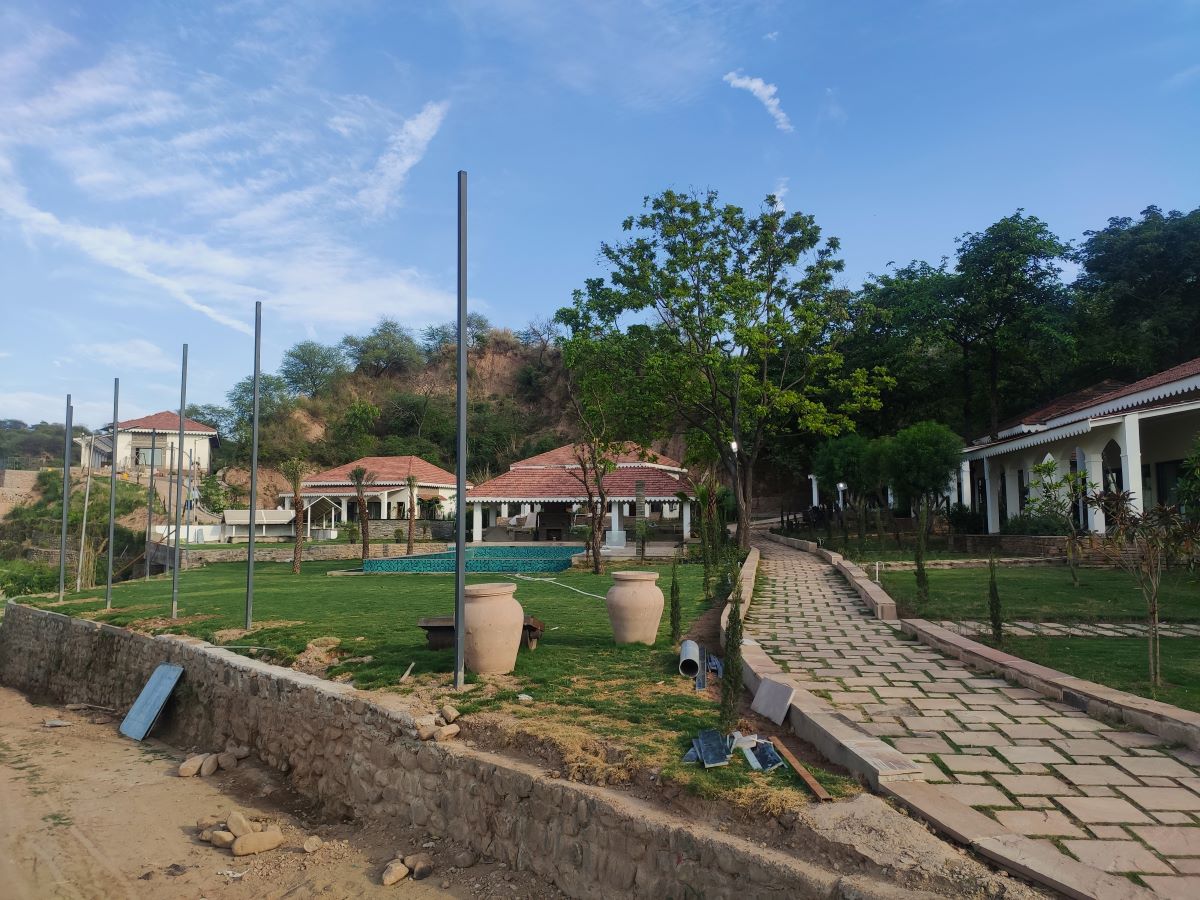
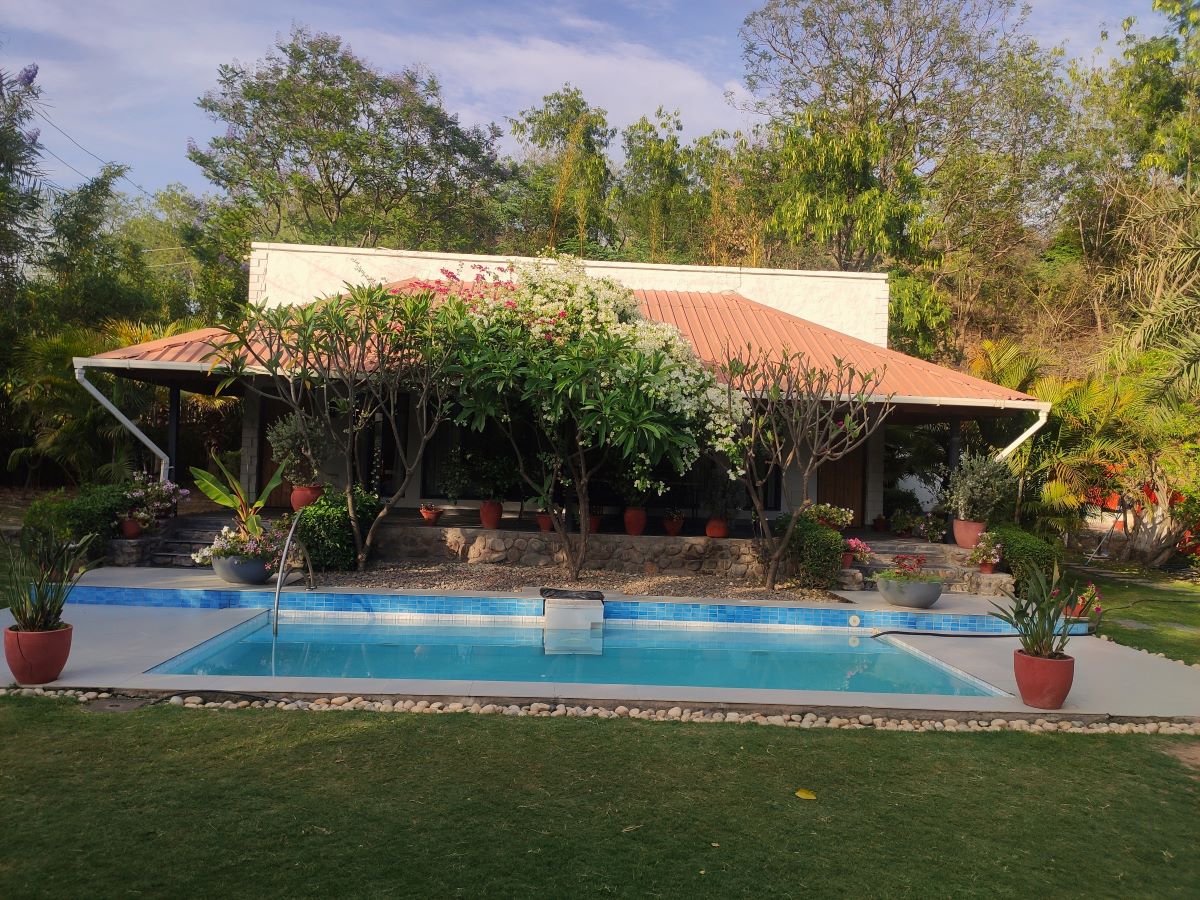
In a quiet corner, we came across seven two-bedroom boutique wilderness cottages being readied to welcome guests to luxurious living and serene surroundings. While six of these cottages will have a common swimming pool, a seventh slightly segregated and at a greater height will have the luxury of an exclusive pool. A separate outdoor bar and barbeque station is being laid out for this clutch of cottages.
FHR has roped in the services of The Ultimate Travelling Camp (TUTC) as a partner to run these cottages.
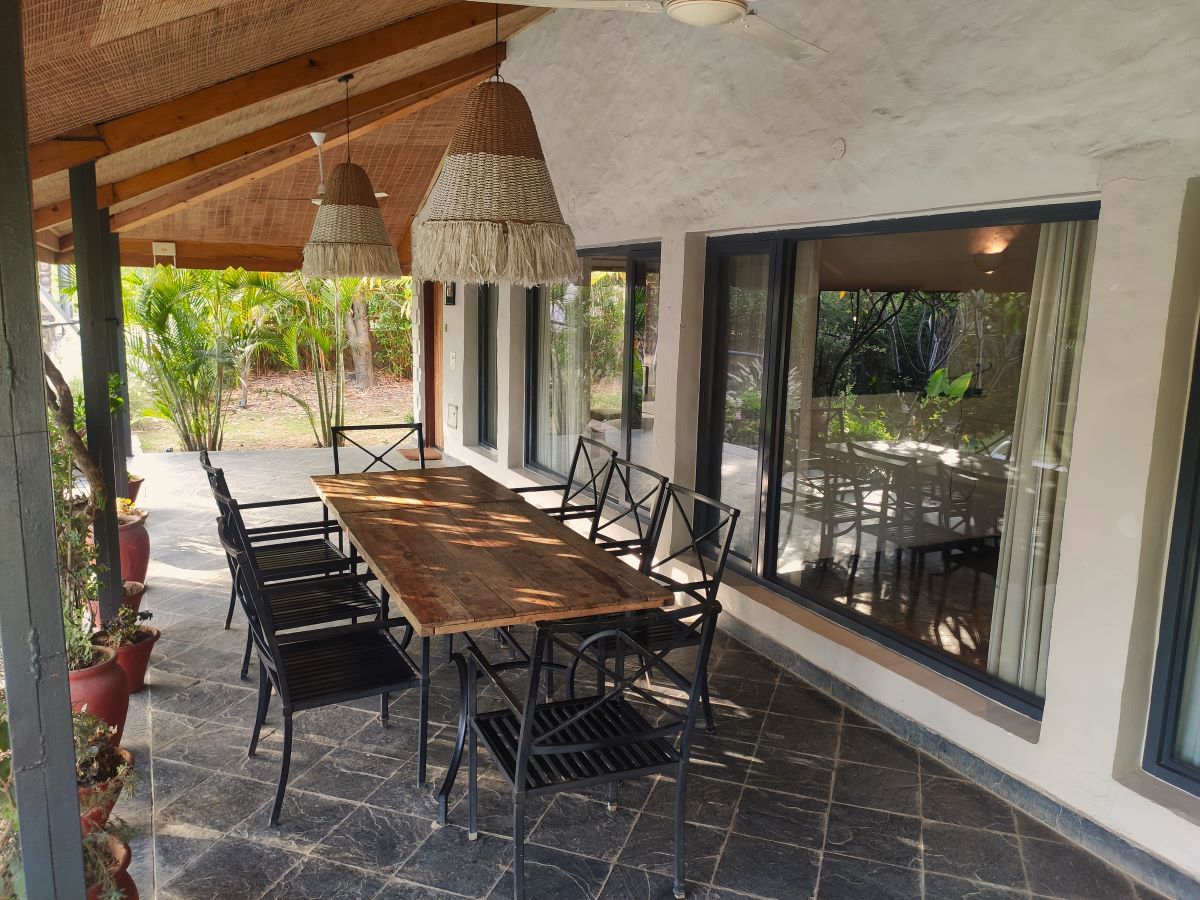
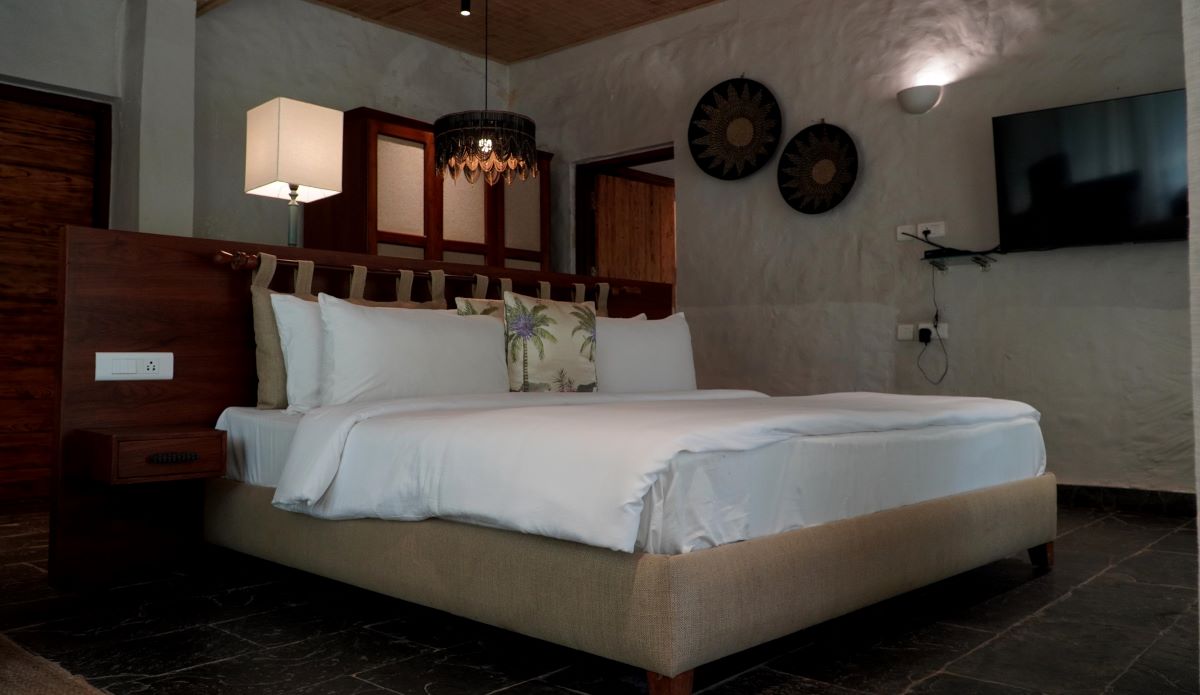
Among Forest Hill Resort’s prime attractions is a stunning contemporary style two-bedroom property. Acacia Cottage offers chic-modern interiors with attached baths, a private swimming pool, a gazebo and an expansive lawn, ideal for a quiet, relaxing stay. It can also be a venue for hosting a small private party.
There are also two large venues, managed by Amaltas, for hosting opulent marriage functions.
Beyond luxury stays, Forest Hill is a destination for adventure and elevated living, offering experiences like golfing, horseback riding, camping, hiking, trekking, biking, off-roading, boating, ziplining, jungle safaris, birdwatching and stargazing under unspoiled skies for those looking to explore the great outdoors.
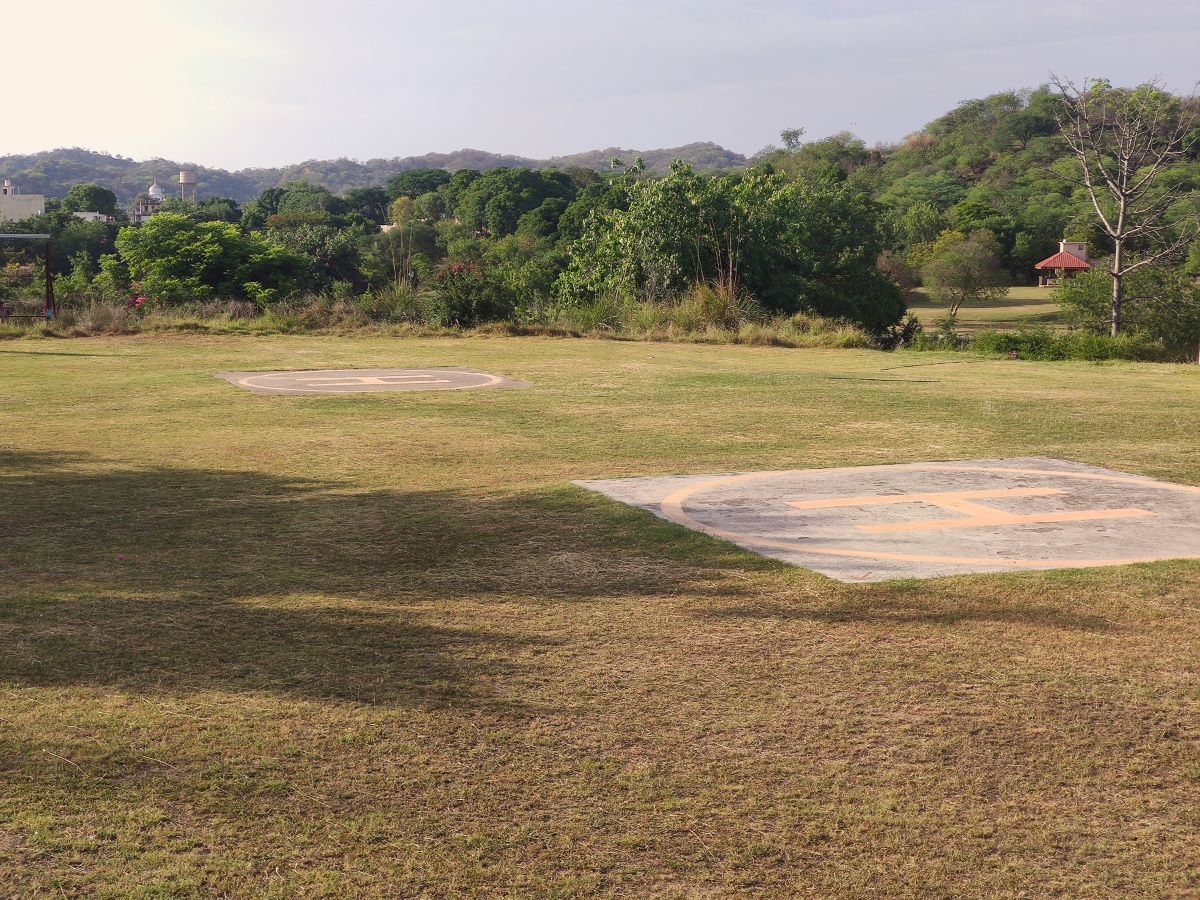
For the well-heeled, two heli pads in the resort allow for quick travel by charter heli-services.
The resort is also planning to open one of the largest health and wellness retreat in the county in partnership with a well-known operator from Kochi, Kerala.
Devinder Sandhu interacting with select media in the all new club house at FHR.
WWICS Group Senior Director Devinder Sandhu, shared with LifeInChandigarh.com “the resort is in advanced talks with leading international hospitality brands to introduce premium branded residences, bringing global service standards and enhanced asset appreciation.”
About the partnership with TUTC, he commented, “they will manage the Wilderness Lodge as a collection of boutique luxury wilderness cottages at the property.
“The hospitality portfolio will soon expand with the soft launch of these cottages, followed by phased introductions of villas, farms, estates and branded residences in association with a leading five-star international hospitality brand.”
The only dampener appears to be seven odd-km narrow approach road from near the prestigious Post Graduate Institute of Medical Education and Research (PGIMER) Chandigarh, which urgently needs widening and sections of it urgent repair. A stretch of it falls under UT Chandigarh and the rest in Punjab, leading to delays.
Unveiling of the all-new Club House
Coming back to the re-invented Club House unveiled in the recent media event, the management of FHR described it as a key milestone in the resort’s transformation into a luxury eco-tourism destination in the wilderness.
Senior Director Devinder Sandhu, along with General Manager Karan Datta, Chef Amardeep Singh and Chef Arshi Naeem, interacted with the media, sharing insights into FHR’s vision, the concept behind the new club house and more.
In the words of Devinder Sandhu, “At Forest Hill Resort, we are not just offering a destination; we are creating a way of life that integrates sustainability, wellness, and refined hospitality. Our vision is to build a community that values conscious living while delivering long-term lifestyle and investment value.”
The all-new club house, managed by Four Seasons Catering, renowned catering service providers offering a wide range of services in catering from weddings to corporate events and other special occasions, features a striking glass structure with a clear roof, private dining spaces, and the elegant outdoor venue ‘Le Jardin’.
Chef Amardeep Singh had this to say about the menu: “Our menu is aptly named The Vańa, crafted as a journey of flavours — from comforting estate-style dishes to globally inspired plates. Signature offerings like the Blue Cheese Naan Pockets, Old Delhi Mutton Seekh, and Truffle Dal Makhani reflect our focus on bold taste, quality ingredients, and refined execution.”
Fellow chef ArshiNaeem added: “At The Vańa, we wanted every dish to feel both nostalgic and elevated. From indulgent signatures like Kashmiri Rogan Josh to desserts like the Valrhona Chocolate Fondant and our Flamed Vanilla Mille-Feuille, each element is designed to create a memorable, immersive dining experience.”
The resort offers a refined multi-cuisine programme spanning Indian, Continental, Pan-Asian, and Oriental dishes, claimed to be crafted using fresh ingredients sourced directly from FHR farms.
Sharing more details General Manager Karan Datta informed that the club house restaurant by itself accommodates 55 covers. It has a licensed bar which serves all premium brands. Just outside, in the corridor is a café. Behind the restaurant there are large lawns at four different levels with the Le Jardin hanger and a gazebo. Collectively these are more than adequate for hosting 300 guests.
Each level of lawn and the hanger can be utilised for smaller private parties. The gazebo can cater to smaller 8-10-member birthday parties.
The club house, which is open to even non-members with a nominal extra charge, currently covers an area of 10,000 sq feet, but after completion of a planned expansion it will quadruple to 35,000-40,000 sq ft with the addition of all round modern recreational facilities.
Visibly excited over the start of a new journey for FHR, Devinder Sandhu apparently made efforts to paint a new face of the resort. “At a time when the definition of luxury is evolving beyond opulence to immersive and meaningful living, we are pioneering a nature-first approach, where one can experience a lifestyle deeply connected with the land through farm-to-table dining, organic produce and thoughtfully curated outdoor experiences that celebrate wildlife, birdlife and ecological harmony.
“A key differentiator of the project is its responsible development philosophy, with less than 20% of the land allocated for construction to preserve natural flora and fauna. Built using local materials and techniques, the resort is designed to blend seamlessly with its surroundings while minimizing ecological impact,” he asserted.
Reforestation with indigenous species
Forest Hill Resort has recently also partnered with Afforestt (https://afforestt.com/), an enterprise with a mission to bring back lost native forests, aimed at creating a sustainable and eco-friendly community. The target, reforesting 75% of the land with indigenous species, promoting biodiversity and ecological balance. An audit of the landscape has reportedly been done and work on the reforestation project is expected to start soon.
Menu – Vana Estate Dining
The rich and varied menu at the club house has sections like Soups, Charcoal & Fire, Fireside Tales, Garden & Greens, Terrace Garden, Bar, Coffee & Espresso and Fresh Juices & Coolers.
The Tastings Part
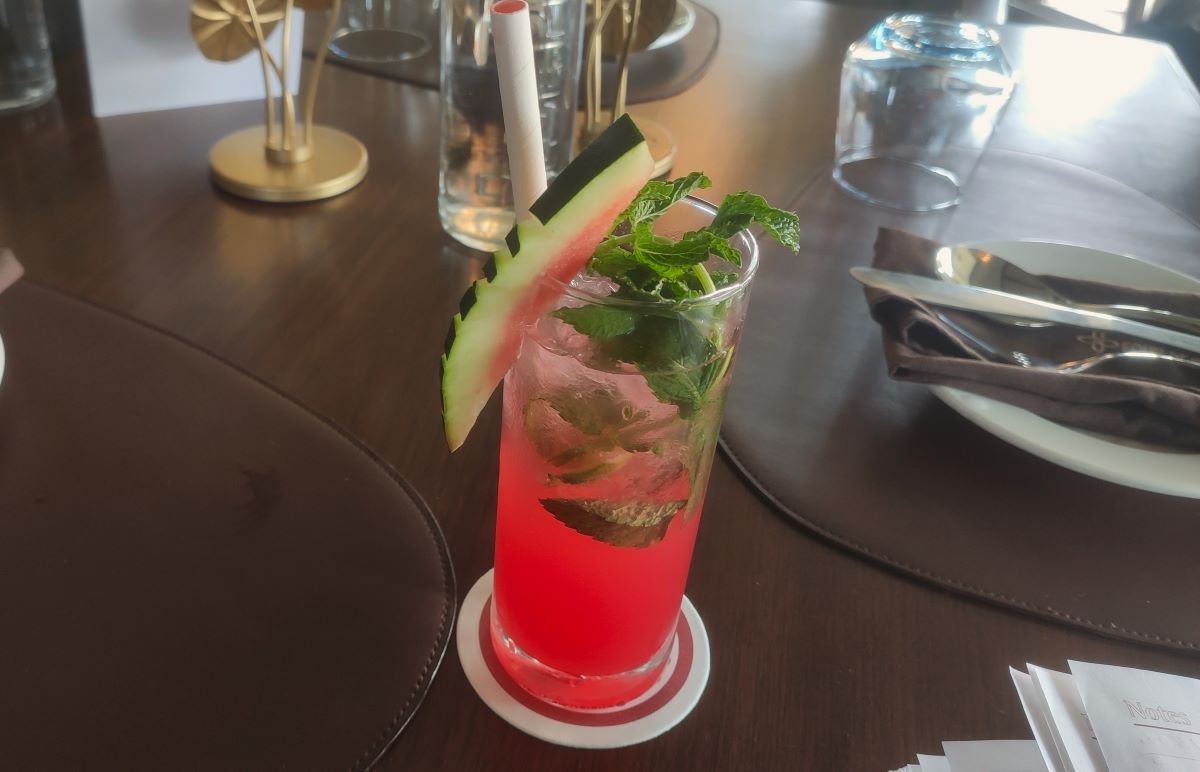
At the outset we were served with a welcome Virgin Watermelon Mojito curated with fresh watermelon, mint and lime with a crisp, fizzy finish. Among the other options were Piccante, a spicy tequila cocktail with a fiery kick of chilli, citrus, and fresh herbs.
From the Amuse Bouche – European choices, we got to taste the Roasted Tomato & Basil Veloute soup, which featured a silky roasted tomato and basil broth, served with a toasted bread, as a tasting shot.
Among European salads, we were served Pomelo & Avocado salad with a touch of citrus, herbs and light dressing.
In Indian Small Plates section, the Hung Curd & Dilli Kebabs, with a crisp exterior and a soft yoghurt centre, were awesome.
Old Delhi Mutton Seekh, charcoal-grilled with robust spices, was also on offer but being a vegetarian, it was out of bounds for me.
For the same reason, two servings from the Seafood Progression – Tandoori prawns & Miso Glazed Sole – had to be ignored.
The Indian Main Course featured Old Delhi Butter Chicken with refined tomato butter gravy; Paneer & Bell Pepper Kadhai (smoked finish with stone -ground masalas) and Truffle Dal Makhani (slow cooked lentils finished with butter and truffle). These were mated with Mini Butter Naans and Focaccia Lachha Parantha.
To cap the wonderful afternoon, the desserts served were among my favourite – the Shahi Tukda with saffron syrup and rabri; and Valrhona Chocolate Fondant with a molten centre and a warm finish.
To describe the overall experience, we came away impressed!
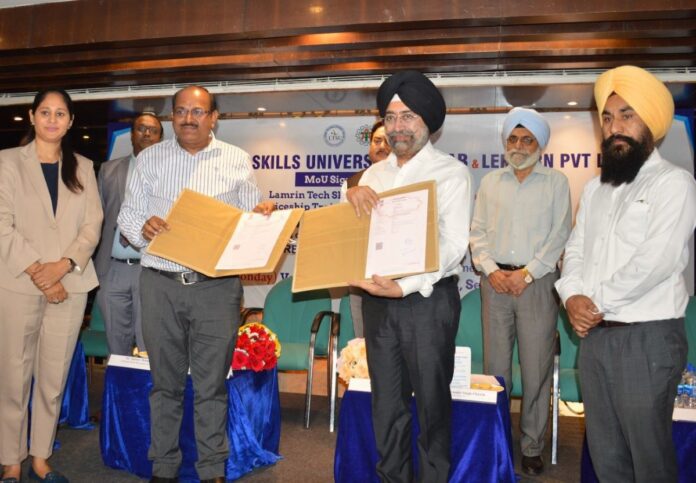
At the MoU signing and exchange ceremony in Chandigarh recently: Mr Vivek Kumar, Director, Board of Apprenticeship Training (BoAT), NR, Kanpur (left), and Lamrin Tech Skills University Punjab Registrar Prof. BS Satyal. University Vice Chancellor Dr AS Chawla (second from right) and Chancellor Nirmal Singh Rayat (slightly seen in the background) look on.
Industry-ready and skill-based education in India has for long remained an unfulfilled aspiration, but in the past few years meaningful efforts at various levels have begun to generate hope that it might finally be becoming a reality.
Lamrin Tech Skills University Punjab, a nearly five-years old private self-funded university near Rupnagar, has emerged as one such beacon of light, where various syllabi are designed by the multinational IBM and partially taught by outsourced subject matter experts (SMEs) from industry giants like IBM, L&T Edutech, Ansys & many more.
With industry partnerships integrated into all its programmes, including engineering, management, commerce, hotel management, and other disciplines, the university recently received a further boost with the signing of an MoU with the Board of Apprenticeship Training (BoAT), Northern Region, Kanpur, under the Ministry of Education, Government of India, for the implementation of Apprenticeship Embedded Degree Programmes (AEDP).
Hailed as a gamechanger, the MoU will ensure that students get a dual degree with apprenticeship which is government approved. The students will also earn as part of the apprenticeship, while they learn and grow.
University Vice Chancellor Dr AS Chawla told your own news portal LifeInChandigarh.com that the MoU exchanged between Mr Vivek Kumar, Director, Board of Apprenticeship Training (BoAT), NR, Kanpur, and university Registrar Prof. BS Satyal, during an Industry-Academia-HR Meet at Chandigarh Monday evening (April 20, 2026) primarily covers the implementation of Apprenticeship Embedded Degree Programmes (AEDP), including industry tie ups, structured on-the-job training, stipend-based apprenticeships, and alignment of curriculum with industry requirements.
In real terms, it will help the university by strengthening industry integration, improve student employability, enhance placement outcomes, and position the institution as a provider of industry-ready, skill-based education, he added.
The MoU signing ceremony was graced among others by Mr. Nirmal Singh Rayat, Chancellor, Lamrin Tech Skills University.
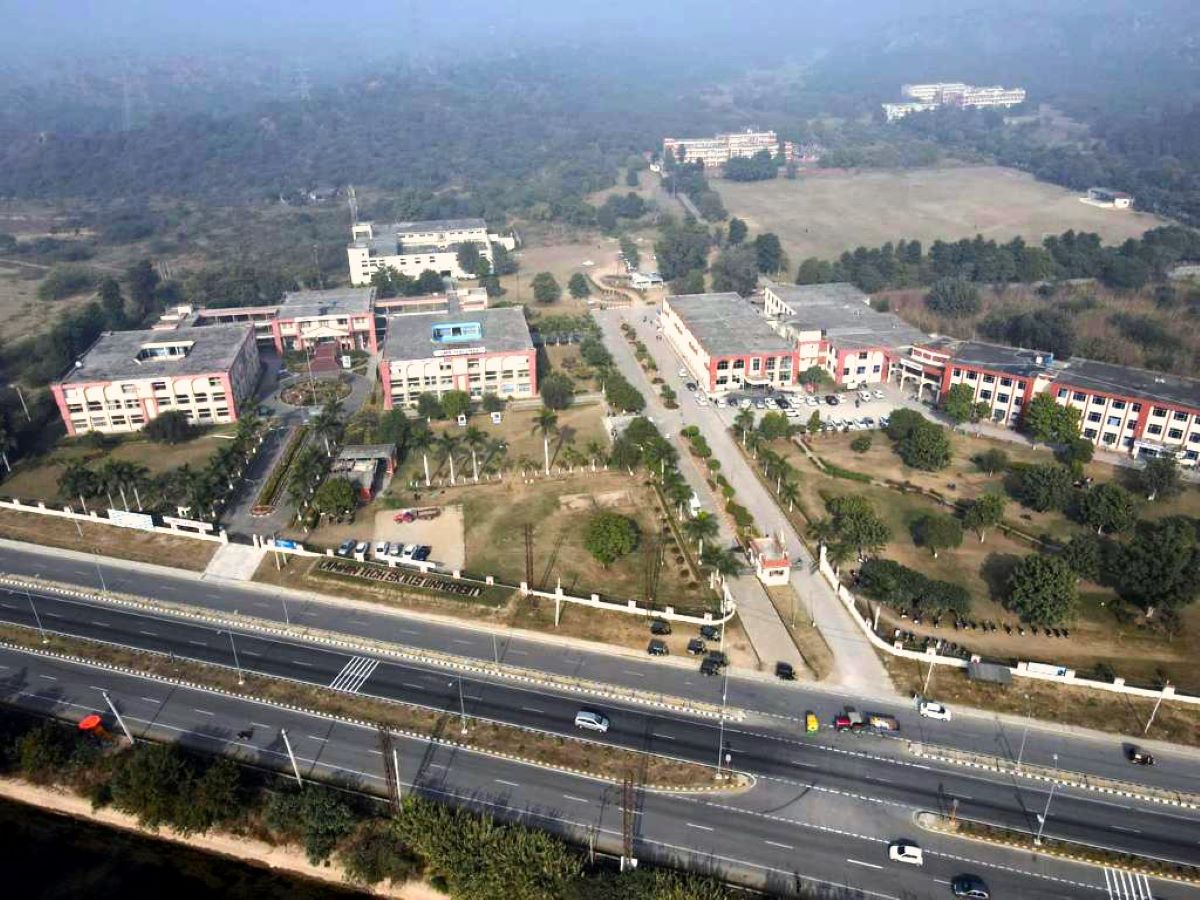
The expansive Lamrin Tech Skills University Punjab campus
Ideally located in the foothills of Shivalik ranges, and on Satluj riverbank near Rupnagar, on land 80 acres and a building of which have been donated by a UK-based NRI, Lamrin Tech Skills University Punjab offers 70+ undergraduate and post graduate programmes in streams like engineering, business administration, computer application, commerce, hotel management & catering technology, pharma, lab tech, imaging tech, OT & anaesthesia tech, physiotherapy, Arts, physical education and sports, etc.
Along with these the university also admits students for short term diploma and certificate courses in skill development.
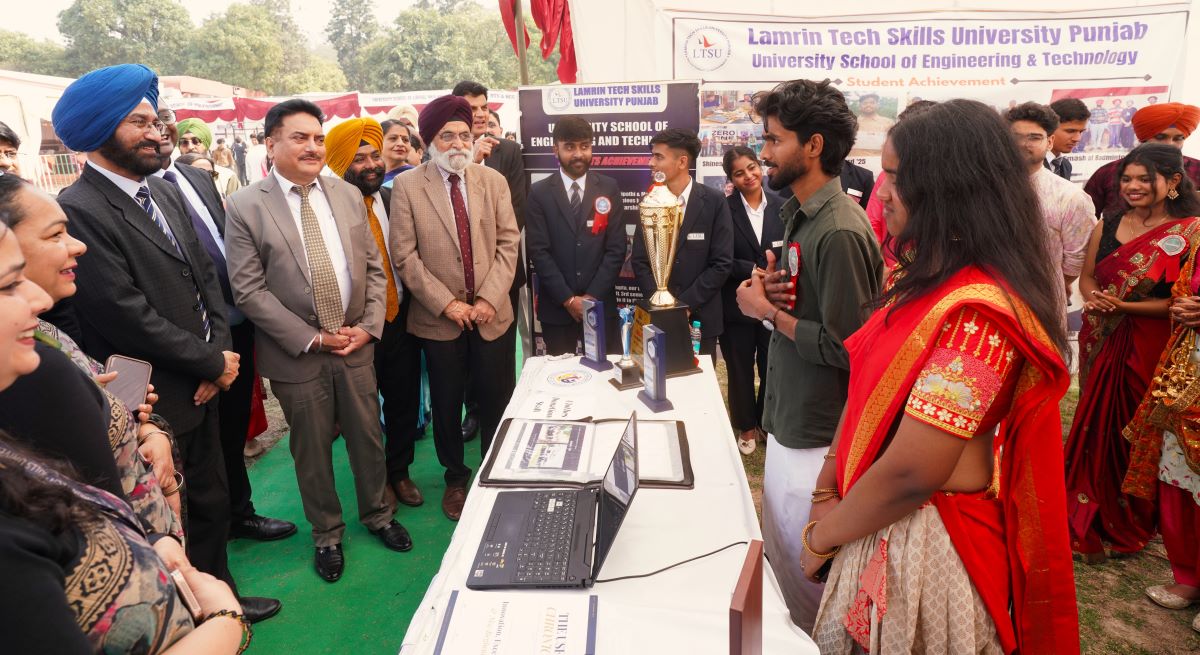
Interacting with students on projects executred by them during a fair organised on the campus is University Chancellor Nirmal Singh Rayat. Other senior officials look on.
The university is also implementing central government skilling and reskilling projects like Pradhan Mantri Kaushal Vikas Yojana (PMKVY) 4.0 and PM Vishwakarma Scheme for empowering traditional artisans with modern skills.
PMKVY 4.0 is the flagship skill development initiative by the Government of India, aimed at equipping the youth with industry-relevant training and certifications. Implemented under the guidance of the National Skill Development Corporation (NSDC), the scheme is designed to enhance employability, productivity, and prepare young professionals for emerging job markets.
Under PMKVY 4.0, Lamrin Tech Skills University (LTSU) is offering fully funded skill training programmes aligned with the National Skill Qualification Framework (NSQF). These programmes are free for eligible trainees and focus on both regular skill trainingand emerging future skills, particularly in domains aligned with Industry 4.0.
PM Vishwakarma is a Central Sector Scheme launched by the Government of India to empower and uplift traditional artisans and craftspeople across the country. The scheme is designed to provide them with skill upgradation, modern tools, and better market access so they can enhance the quality and value of their services.
Lamrin Tech Skills University (LTSU) conducts skill training in key trades including carpentry, barber trade, tailoring, masonry, doll & toy making, hammer & toolkit operations, etc.
Objectives of PM Vishwakarma Scheme
To recognize and support artisans and craftspeople as Vishwakarma, making them eligible to avail all the benefits under the Scheme
To provide formal training and certification to enhance productivity and service quality.
To facilitate access to modern tools, financial support, and market linkages.
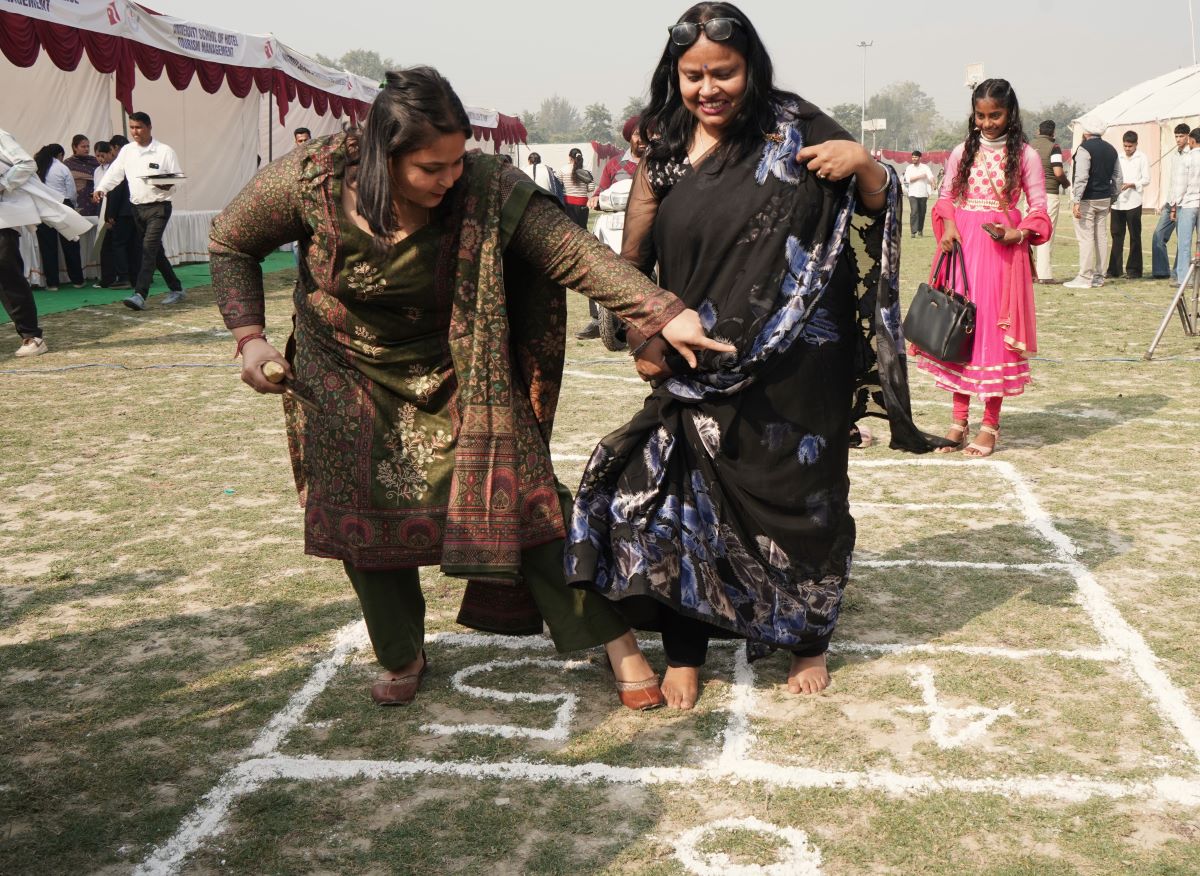
Campus life at Lamrin Tech Skills University Punjab
Excerpts from an interview with Lamrin Tech Skills University Punjab Vice Chancellor Dr AS Chawla
Q. How many batches have passed out? Roughly how many students?
A. The first batch is to pass out in 2027. However, students enrolled in the 2022-23 session are already undergoing internships.
Q. What is the current strength of the university?
A. 4500 students
Q. Offering so many undergraduate, post-graduate, diploma and certificate courses, also being part of PMKVY 4.0 & PM Vishwakarma Scheme, how difficult has it been to attract enough expert faculty?
A. Attracting qualified faculty continues to be a challenge; however, a well-balanced approach is maintained through a combination of permanent staff and outsourced subject matter experts (SMEs).
Q. What do we mean when we say incubated by IBM as an industry partner?
A. Syllabus is designed by IBM and partially taught by SMEs of IBM.
Q. In which all courses do we have an industry partner?
A. Industry partnerships are integrated across all programmes of the university, including Engineering, Management, Commerce, Hotel Management, and other disciplines
Q. What have been the outcomes so far?
A. The outcomes so far have been very encouraging. Students receive hands-on practical training aligned with industry requirements, making their learning highly relevant. They also gain up to one year of industry experience by the time they complete their degree
Q. What are the biggest challenges, including onboarding the industry?
A. The key challenges include aligning academic programmes with evolving industry needs and onboarding the right partners. However, these have been addressed effectively through strong collaboration. The University has successfully partnered with industries for internships, live projects, industry-led sessions, and apprenticeship programmes, ensuring valuable practical exposure and enhanced employability for students.
For more details about Lamrin Tech Skills University Punjab, visit https://ltsu.ac.in/


 Apart from a battery of other senior specialists, Cocoon Hospital Chandigarh has roped in the services of well-known obstetrician and gynaecologist Dr Mangla Dogra as senior consultant, apparently to add prestige to the team of doctors.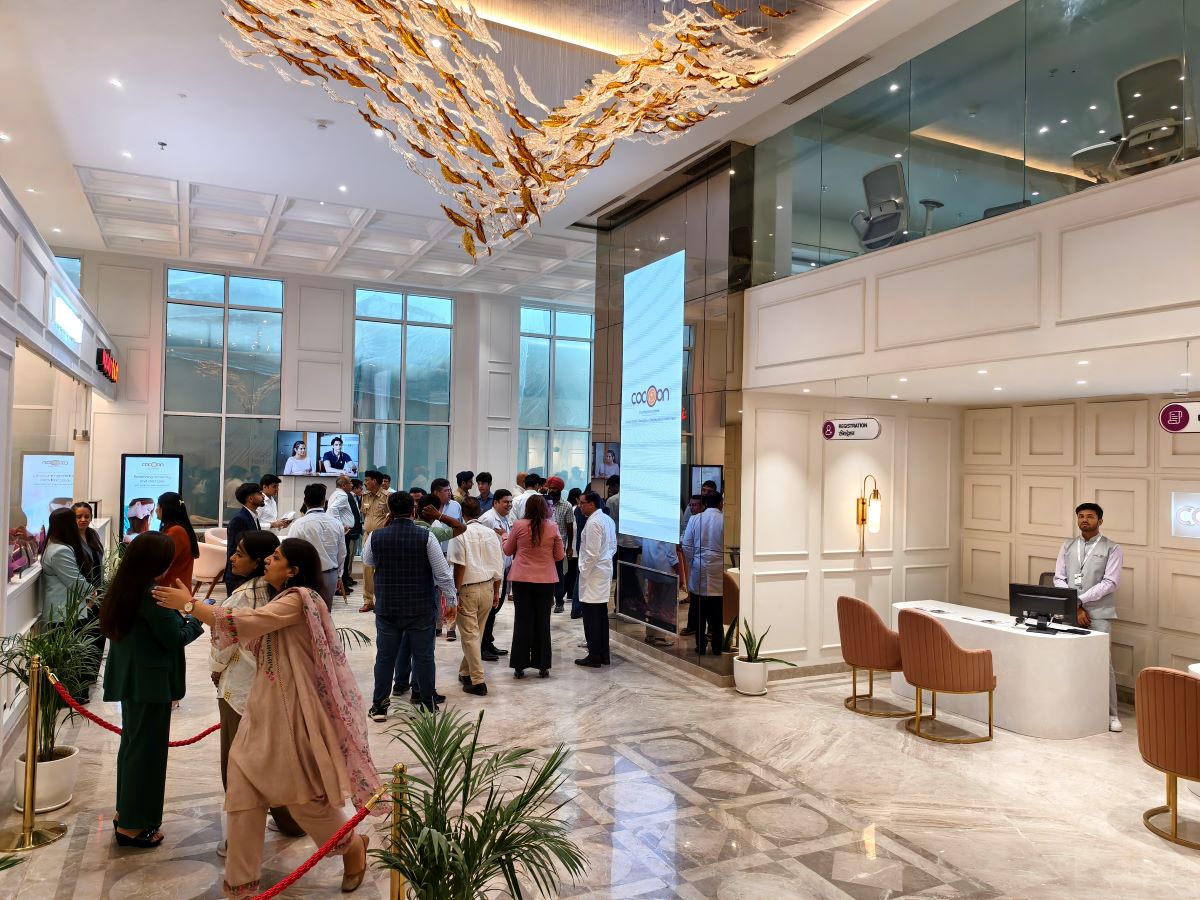
 He further said that Cocoon hospitals are designed to meet the evolving needs of modern families, offering comprehensive services across obstetrics, gynaecology, fertility, foetal medicine, neonatal intensive care, paediatrics and women’s health. The hospitals are dedicated to delivering integrated, technology-enabled and compassionate care to women, mothers, newborns and children. Here every stage of parenthood – from pregnancy planning and antenatal care to high-risk pregnancies, childbirth, neonatal intensive care, paediatrics and women’s wellness – is supported through evidence-based clinical expertise and compassionate care, he added.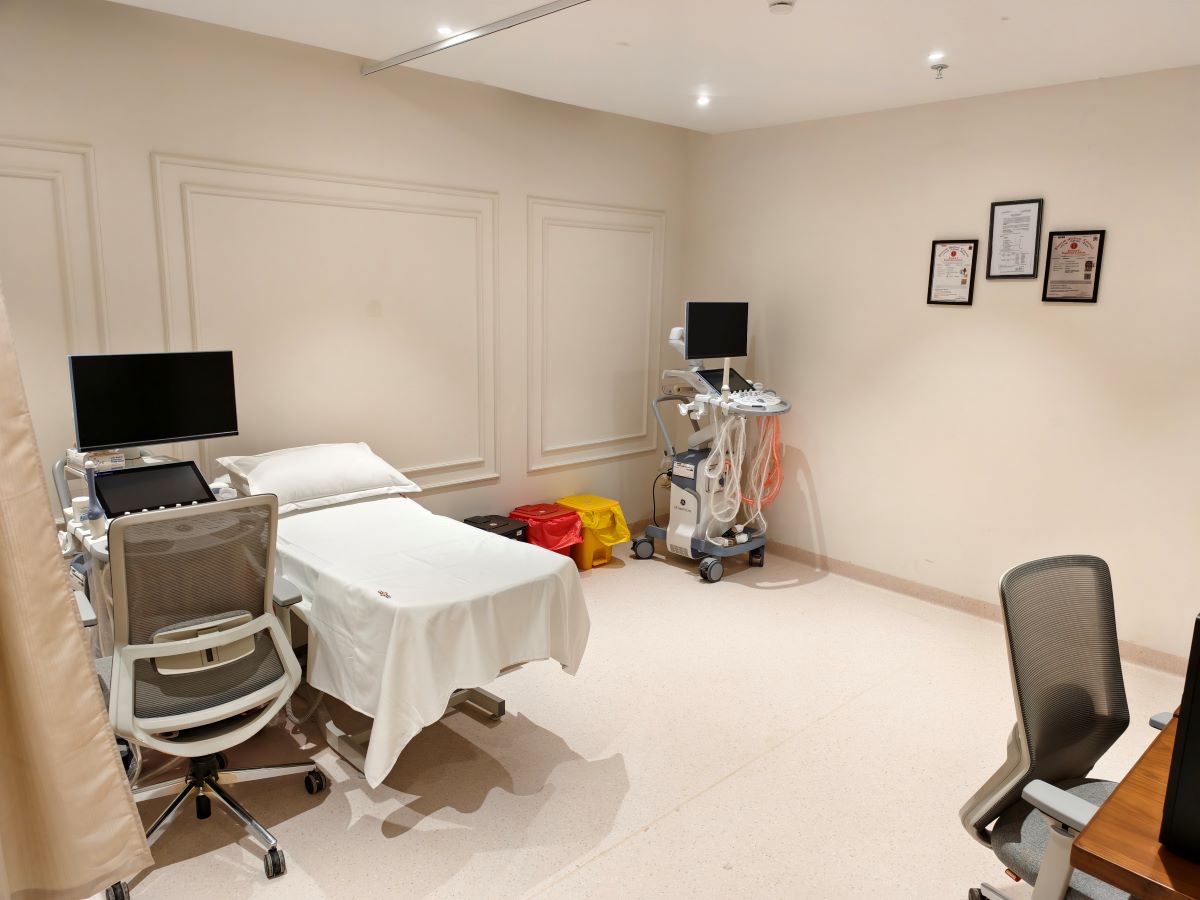
 The festival will see children’s authors, storytellers, illustrators and cartoonists keeping 1,300-odd Grade I to XII students of the school engaged in a vibrant celebration of stories, art, and imagination.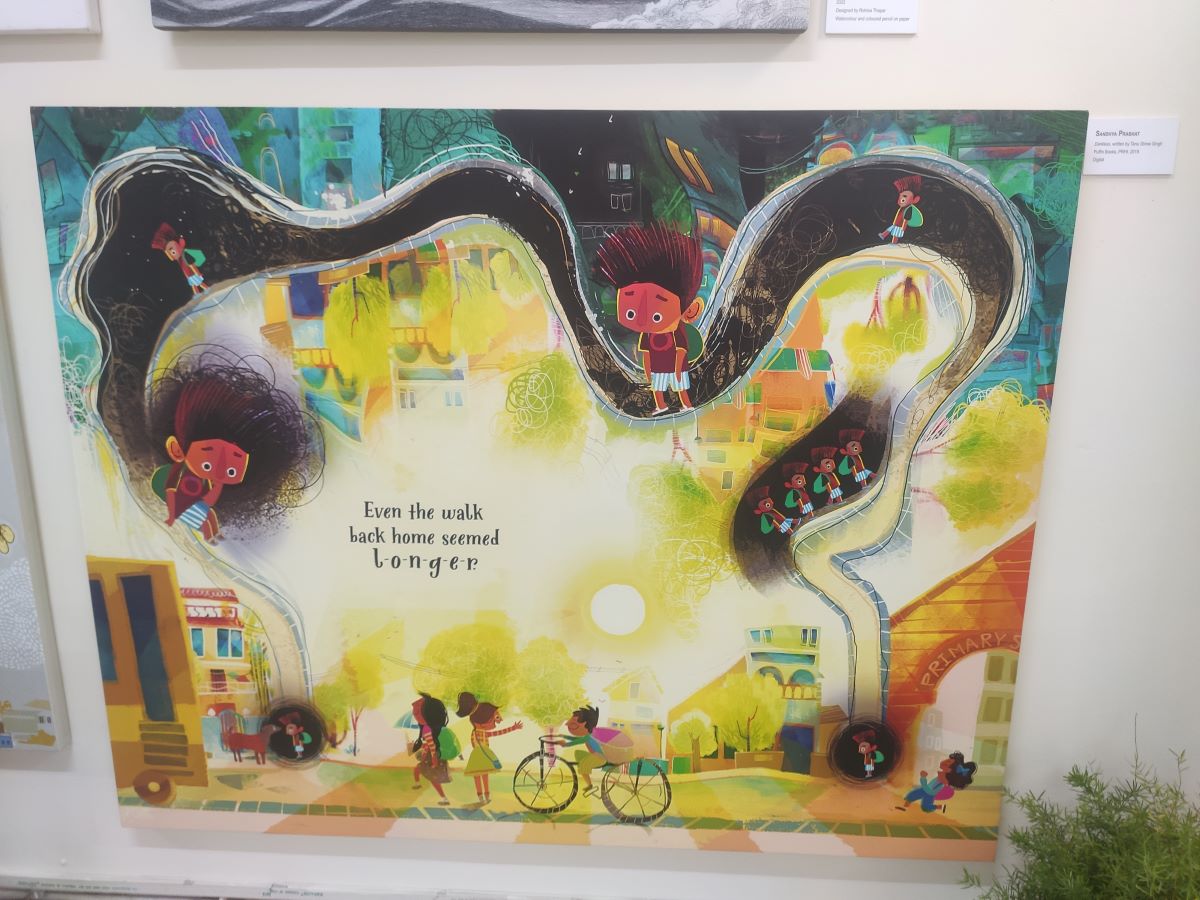
 Said school Director Preeti Bakshi about the initiative, “At St. Kabir, we believe education must continuously expand how children see and interpret the world. By placing art and illustration at the centre of our literature festival, we are encouraging students to engage with stories not just as readers, but as observers, thinkers, and creators.”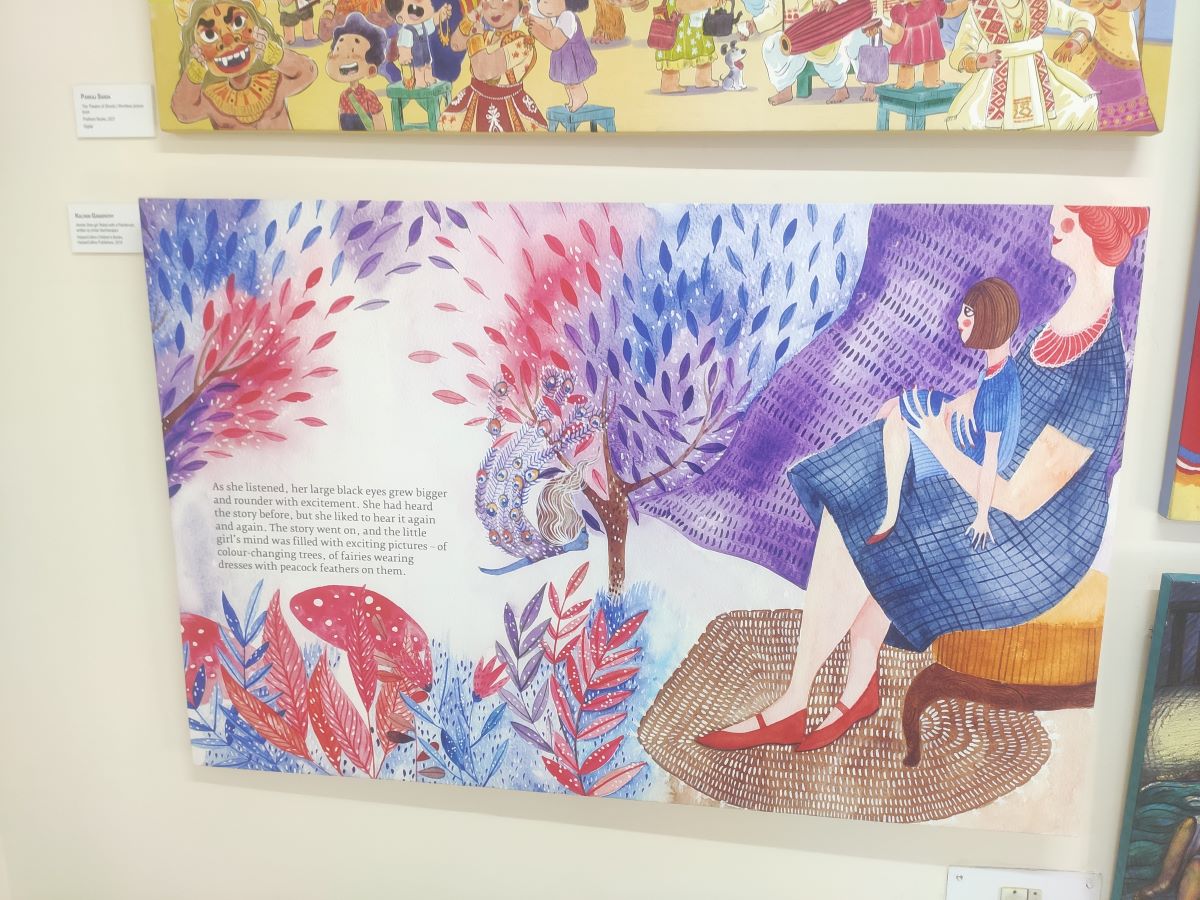
 On the theme of this year’s Children’s Literature Festival, Deeptha Vivekanand said, “Centred on the theme ‘Art is a Voice,’ this year’s festival places a strong emphasis on illustration and visual storytelling, highlighting the often-overlooked role of art in shaping how children read, interpret, and connect with the world around them.”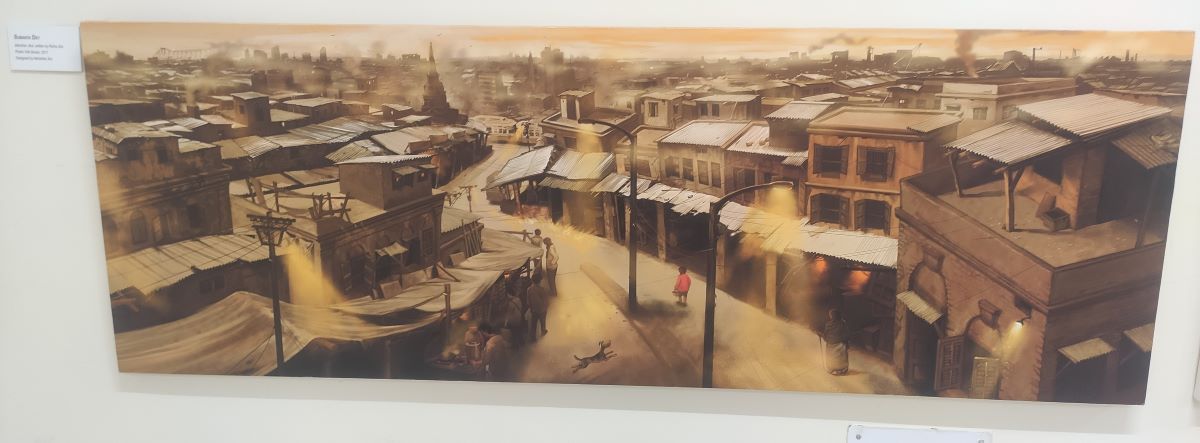
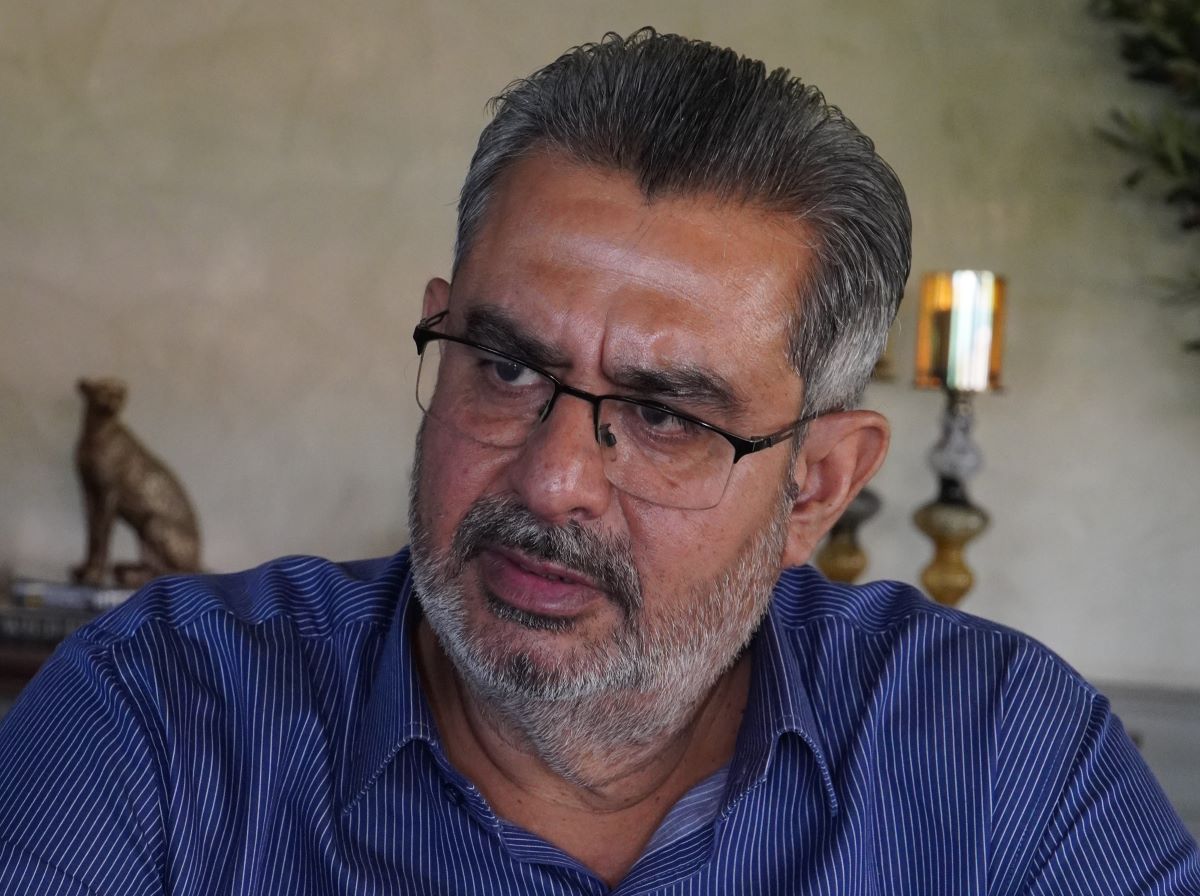
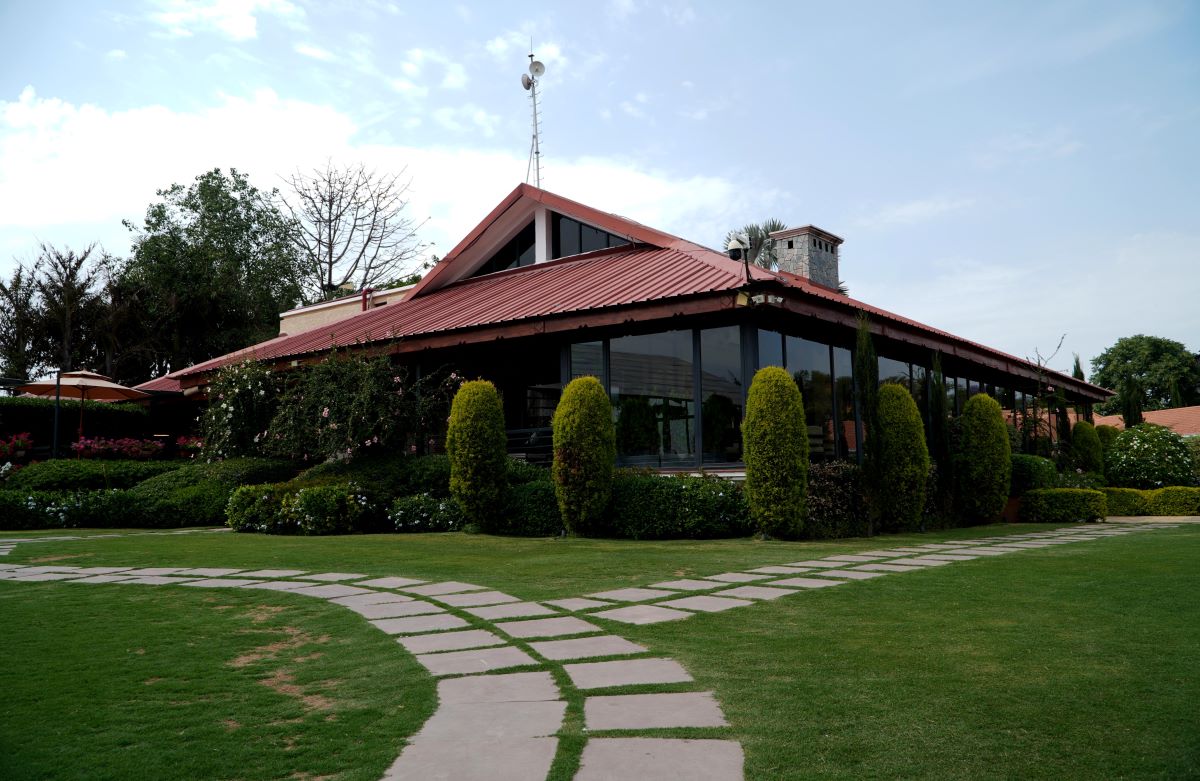
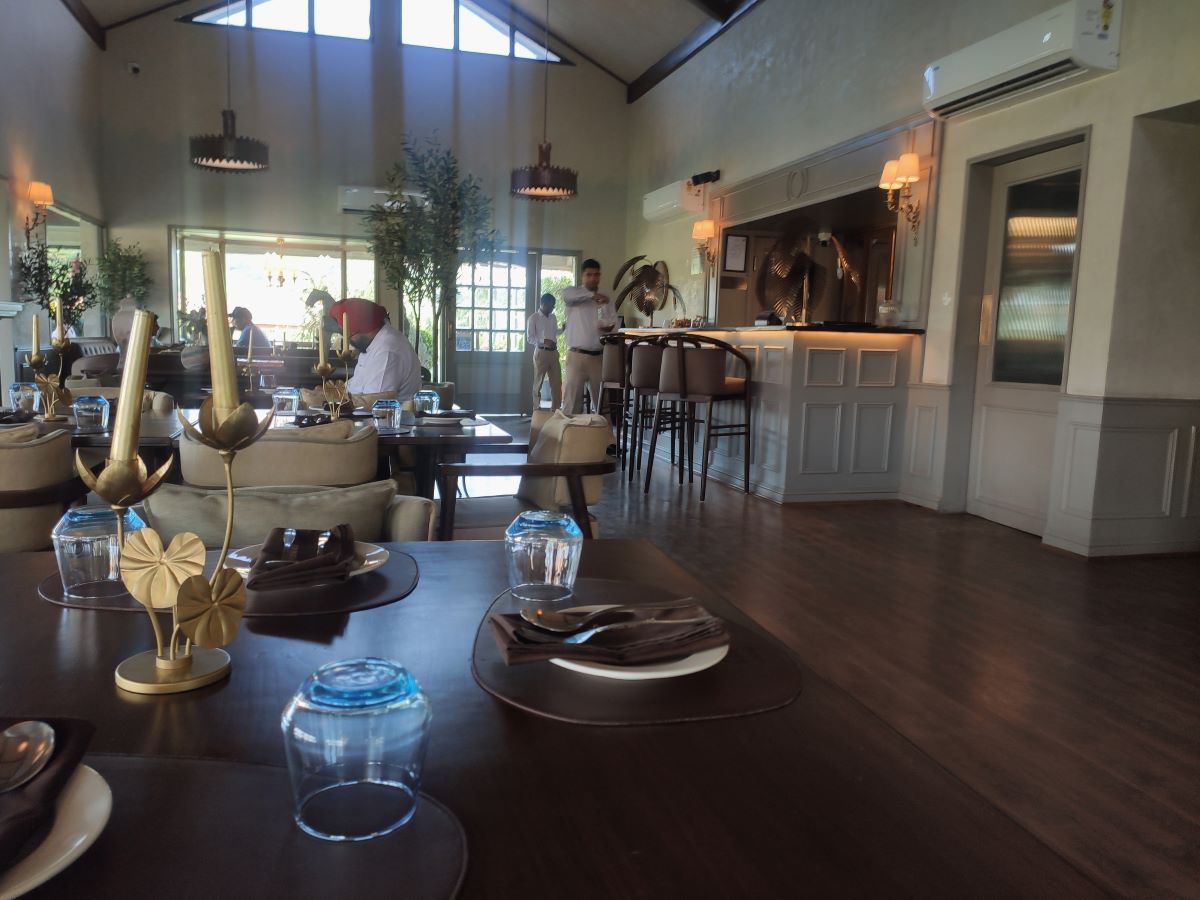 Coming back to the re-invented Club House unveiled in the recent media event, the management of FHR described it as a key milestone in the resort’s transformation into a luxury eco-tourism destination in the wilderness.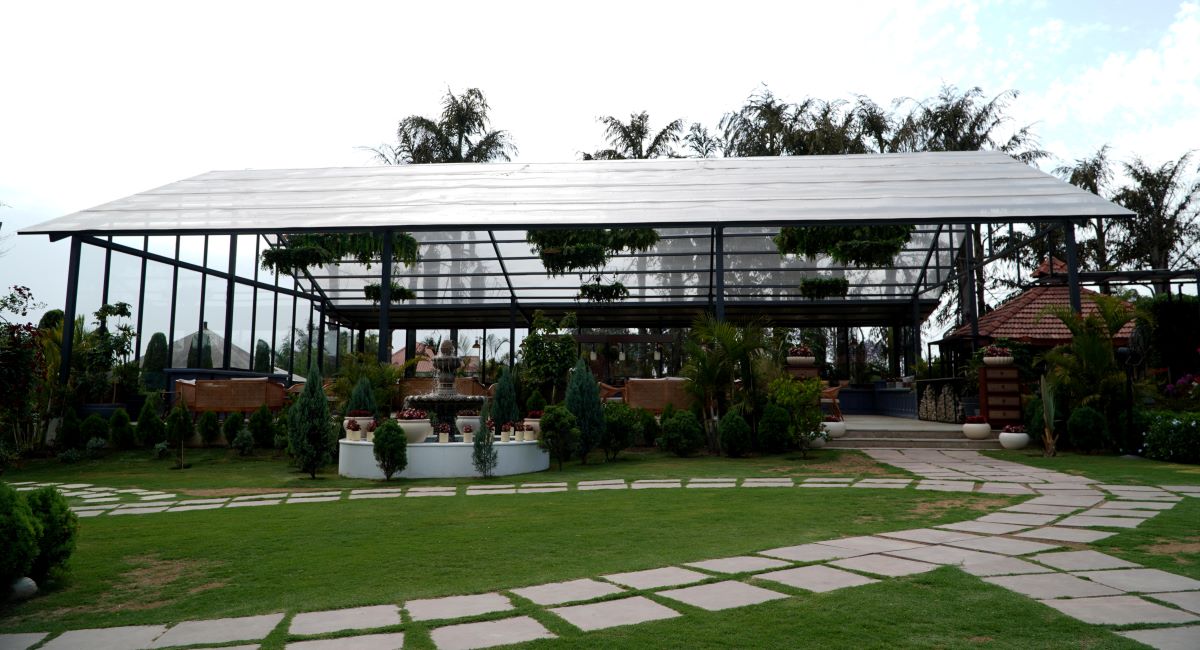
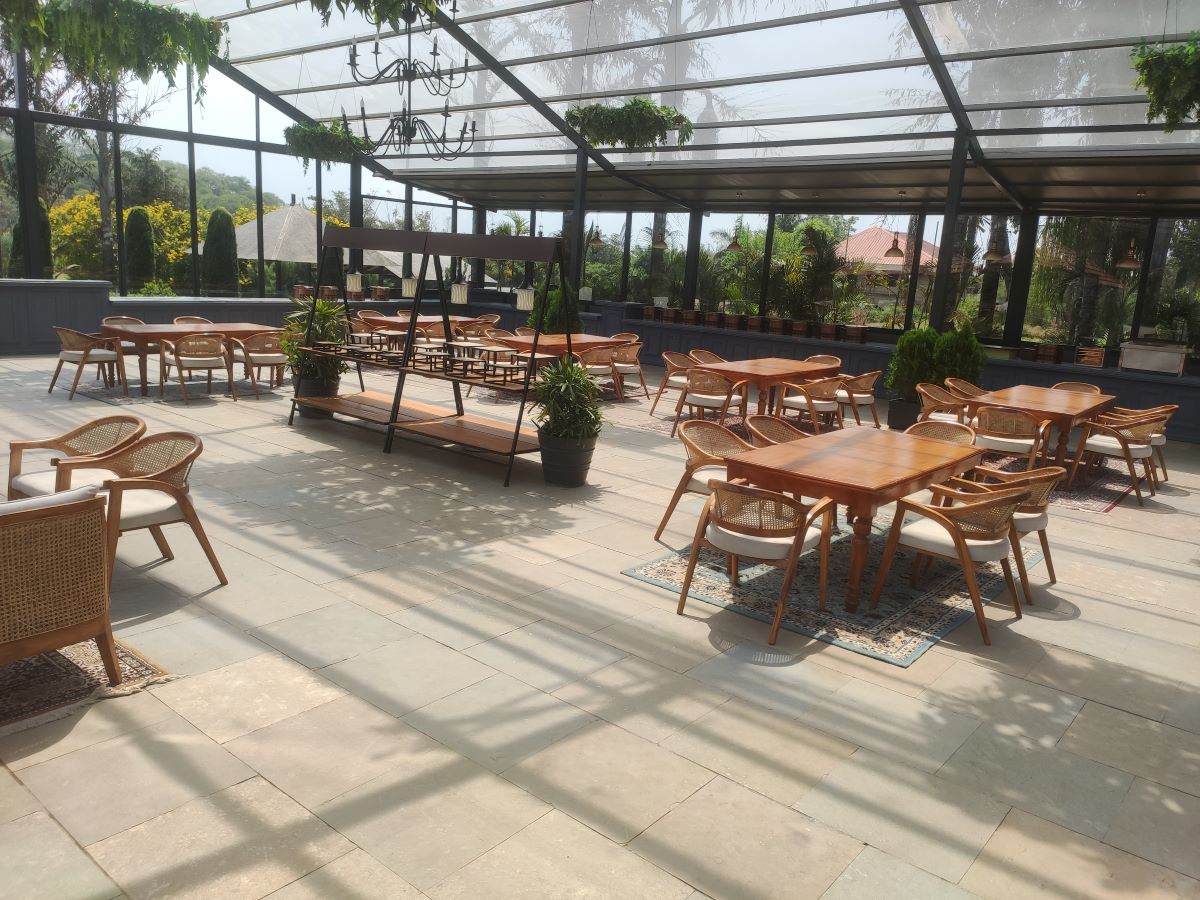 The all-new club house, managed by Four Seasons Catering, renowned catering service providers offering a wide range of services in catering from weddings to corporate events and other special occasions, features a striking glass structure with a clear roof, private dining spaces, and the elegant outdoor venue ‘Le Jardin’.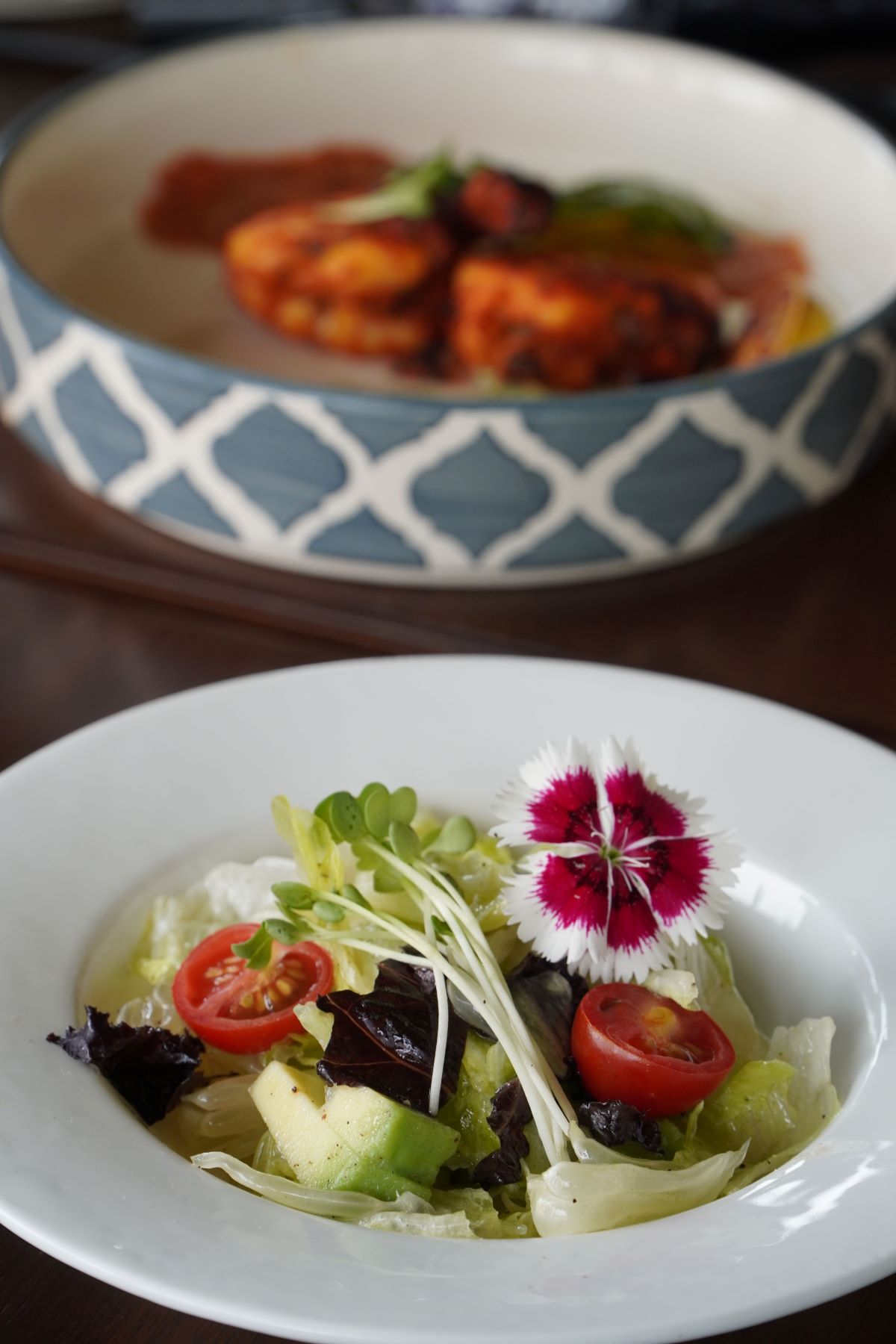

 Sharing more details General Manager Karan Datta informed that the club house restaurant by itself accommodates 55 covers. It has a licensed bar which serves all premium brands. Just outside, in the corridor is a café. Behind the restaurant there are large lawns at four different levels with the Le Jardin hanger and a gazebo. Collectively these are more than adequate for hosting 300 guests.

 Visibly excited over the start of a new journey for FHR, Devinder Sandhu apparently made efforts to paint a new face of the resort. “At a time when the definition of luxury is evolving beyond opulence to immersive and meaningful living, we are pioneering a nature-first approach, where one can experience a lifestyle deeply connected with the land through farm-to-table dining, organic produce and thoughtfully curated outdoor experiences that celebrate wildlife, birdlife and ecological harmony.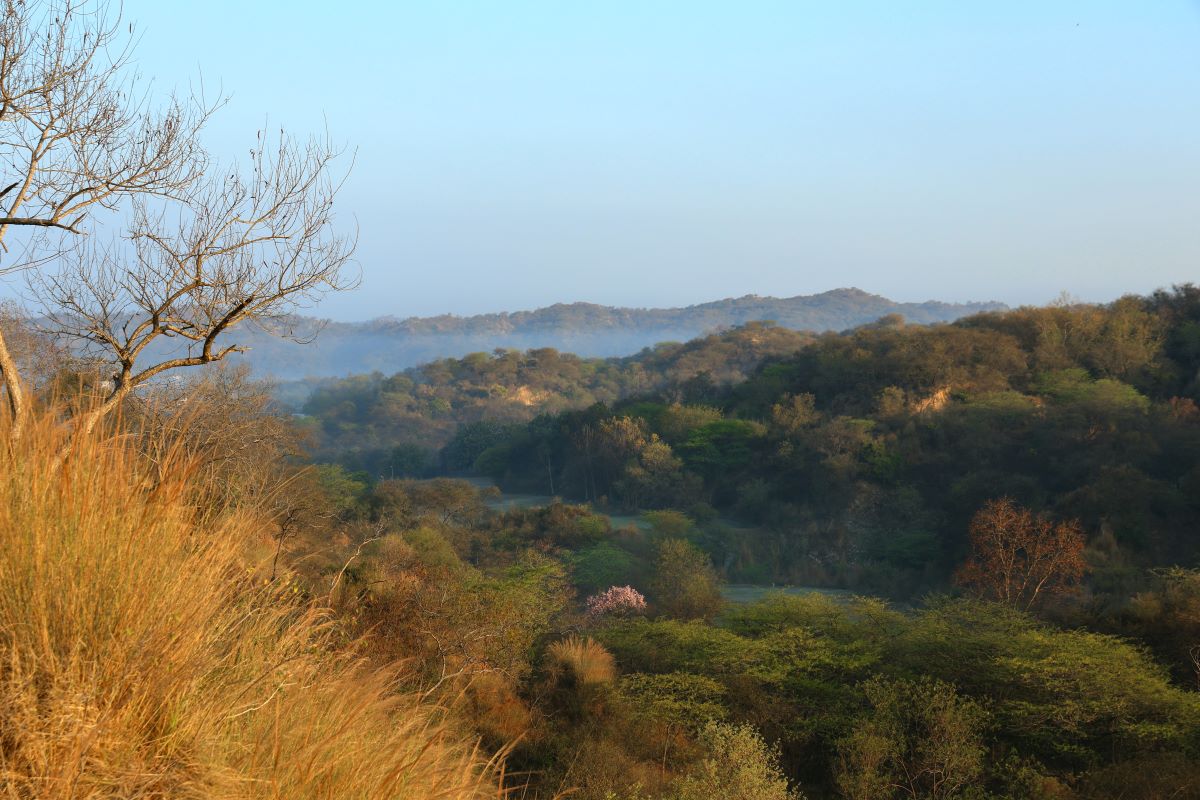

 Reforestation with indigenous species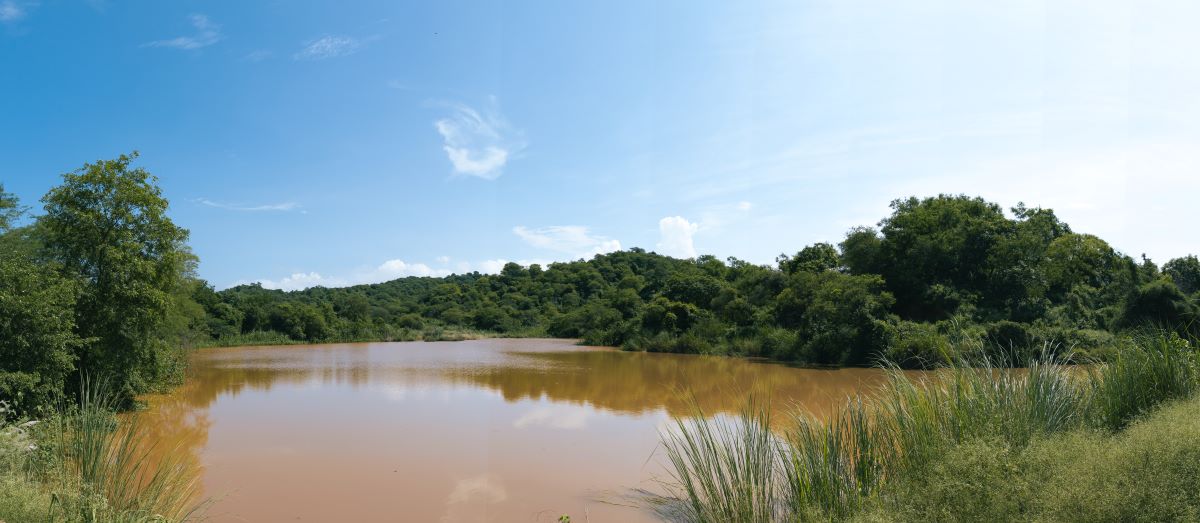
 Menu – Vana Estate Dining